

Cupping Therapy Price Explained: Session Costs, Benefits
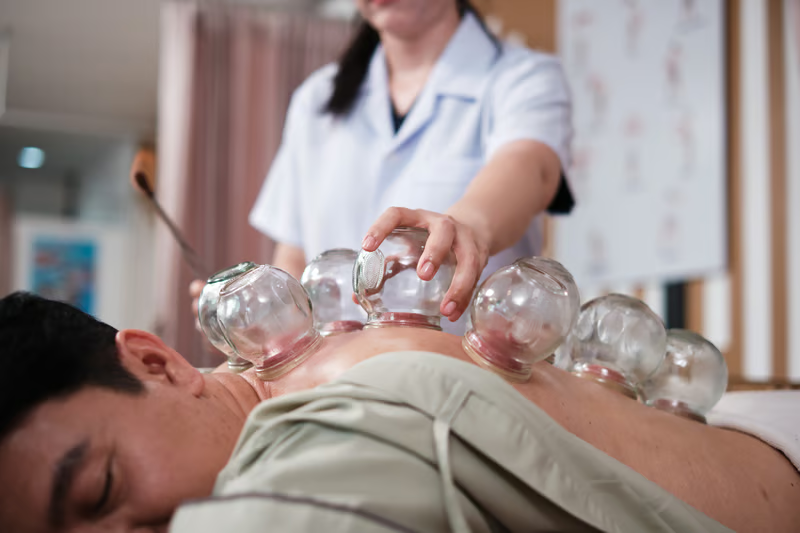
Cupping Therapy Price Explained: Session Costs, Benefits Cupping therapy has gained significant popularity in recent years as more people seek natural and non-invasive methods to manage pain, improve circulation, and support overall wellness. From athletes to individuals dealing with chronic pain, many people are exploring this ancient healing technique. One of the most common questions patients ask before starting treatment is about the cupping therapy price. Understanding the cost, treatment options, benefits, and possible side effects can help you make an informed decision. In this comprehensive guide, we explain everything about cupping therapy price, treatment sessions, expected results, and how therapies offered at Amicare Hospital can support your recovery and wellness goals. What Is Cupping Therapy? Before discussing the cupping therapy price, it is important to understand what is cupping therapy. Cupping therapy is an alternative treatment that uses special cups placed on the skin to create suction. This suction helps improve blood flow, reduce muscle tension, stimulate healing, and promote relaxation. The therapy has been practiced for thousands of years in traditional Chinese, Middle Eastern, and other healing systems. Today, it is commonly integrated into physiotherapy and rehabilitation programs. Types of Cupping Therapy Dry Cup Therapy Dry cup therapy is the most common form of treatment. Cups are placed on the skin to create suction without making any incisions. Benefits of Dry Cup Therapy: ● Improves local blood circulation and tissue oxygen supply. ● Helps relieve muscle tightness and sports-related soreness. ● Supports natural healing of soft tissue injuries. ● Encourages relaxation and stress reduction. ● Often combined with physiotherapy treatments. Wet Cupping Therapy This method involves tiny skin pricks followed by suction to remove a small amount of blood. It should only be performed by trained professionals under proper medical supervision. Understanding Cupping Therapy Price The cupping therapy price varies depending on several factors including location, therapist expertise, clinic facilities, treatment duration, and the number of cups used. Average Cupping Therapy Price in India Treatment Type Average Cost Per Session Basic Dry Cupping ₹500 – ₹1,500 Advanced Dry Cupping ₹1,500 – ₹3,000 Wet Cupping Therapy ₹1,500 – ₹4,000 Sports Recovery Cupping ₹2,000 – ₹5,000 Integrated Physiotherapy + Cupping ₹2,500 – ₹6,000 The final cupping therapy price may differ depending on your treatment plan and medical condition. Factors Affecting Cupping Therapy Price Therapist Experience Experienced practitioners with specialized training may charge higher fees due to their expertise and clinical knowledge. Treatment Duration Longer sessions generally cost more because they require additional time and resources. Number of Sessions Required Some patients benefit from a single session, while others require multiple sessions for optimal results. Clinic Infrastructure Hospitals and advanced physiotherapy centers may offer enhanced safety, hygiene, and integrated treatment approaches. Combined Treatments The cupping therapy price can increase when combined with physiotherapy, laser therapy, cryotherapy, or rehabilitation programs. Cupping Therapy Benefits Many patients choose this treatment because of the numerous cupping therapy benefits associated with improved circulation and muscle recovery. Major Cupping Therapy Benefits ● Enhances blood circulation and tissue nourishment. ● Reduces muscle stiffness and tension naturally. ● Supports recovery after sports injuries. ● May help relieve neck, back, and shoulder pain. ● Promotes relaxation and stress reduction. ● Encourages lymphatic drainage and detoxification. ● Helps improve flexibility and mobility. ● Can complement physiotherapy rehabilitation programs. Research published in various rehabilitation and pain management journals suggests that cupping therapy may provide short-term relief for musculoskeletal pain when used appropriately. Conditions Commonly Treated with Cupping Therapy Cupping therapy is often recommended for: Neck Pain ● Relieves muscle tension around the cervical spine. ● Improves local circulation and movement. Back Pain ● Helps reduce chronic lower back discomfort. ● Supports recovery from muscle strain. Shoulder Pain ● Useful for stiffness and restricted shoulder movement. ● Often combined with physiotherapy exercises. Sports Injuries ● Assists recovery from muscle fatigue and overuse injuries. ● Popular among athletes for performance recovery. Stress and Fatigue ● Encourages relaxation and overall well-being. ● May help improve sleep quality Before and After Cupping Therapy Patients often wonder what to expect before and after cupping therapy. Before Cupping Therapy ● Stay hydrated before treatment. ● Avoid heavy meals immediately before the session. ● Wear comfortable clothing. ● Inform the therapist about any medical conditions. After Cupping Therapy ● Drink plenty of water. ● Avoid strenuous exercise for 24 hours. ● Rest if you feel tired. ● Follow all therapist recommendations. Cupping Therapy Side Effects Although generally considered safe when performed by trained professionals, there can be some cupping therapy side effects. Common Cupping Therapy Side Effects ● Mild skin discoloration. ● Temporary bruising. ● Slight tenderness. ● Mild fatigue after treatment. ● Temporary skin sensitivity. Rare Side Effects ● Skin irritation. ● Burns from improper technique. ● Infection if hygiene standards are not maintained. To minimize risks, always choose qualified healthcare professionals and reputable treatment centers. Breast Cupping Therapy: What Patients Should Know Breast cupping therapy is a specialized technique sometimes promoted for cosmetic purposes and circulation improvement. However, patients should approach breast cupping therapy cautiously and consult qualified healthcare professionals before undergoing treatment. Scientific evidence supporting cosmetic benefits remains limited. Professional medical evaluation is always recommended before considering any specialized cupping procedure. How Many Sessions Are Needed? The number of sessions depends on the condition being treated. Typical Treatment Plans ● Mild muscle tightness: 1–3 sessions. ● Chronic pain conditions: 4–8 sessions. ● Sports recovery programs: As needed. ● Rehabilitation support: Customized treatment plans. Your therapist will recommend the most suitable treatment schedule based on your goals and medical history. Why Choose Professional Cupping Therapy Services? Professional treatment offers: ● Proper assessment before therapy. ● Safe and hygienic procedures. ● Personalized treatment planning. ● Integration with physiotherapy and rehabilitation. ● Better outcomes and reduced complications. At Amicare Hospital, patients benefit from experienced rehabilitation specialists, modern physiotherapy services, and evidence-based treatment approaches designed to improve mobility, reduce pain, and enhance recovery. When Should You Avoid Cupping Therapy? Cupping therapy may not be suitable for everyone. Avoid treatment
Best Exercises After a Proximal Humerus Fracture for Faster Recovery

Best Exercises After a Proximal Humerus Fracture for Faster Recovery A proximal humerus fracture is one of the most common shoulder injuries, particularly among older adults and individuals who experience falls, sports injuries, or road accidents. The proximal humerus is the upper part of the arm bone that connects to the shoulder joint. When this area fractures, patients often experience significant pain, swelling, stiffness, and limited arm movement. Recovery from a proximal humerus fracture does not end after the bone heals. Regaining shoulder strength, flexibility, and function requires a structured rehabilitation program that includes medically supervised exercises. Research indicates that early and appropriate physiotherapy can significantly improve shoulder mobility and reduce long-term disability after a fracture. With over 25 years of orthopedic experience and more than 1,500 successful orthopedic and joint surgeries, Dr. Himanshu Gupta emphasizes the importance of personalized rehabilitation programs to help patients achieve the best possible recovery outcomes. In this guide, we discuss the best exercises after a proximal humerus fracture, when to start them, and how they support faster recovery. Understanding a Proximal Humerus Fracture A proximal humerus fracture occurs in the upper segment of the humerus bone near the shoulder joint. It accounts for approximately 5–6% of all fractures and is especially common in elderly individuals with osteoporosis. Common causes include: ● Falls on an outstretched arm● Sports injuries● Road traffic accidents● Direct shoulder trauma● Osteoporosis-related fractures Depending on the severity, proximal humerus fracture treatment may involve sling immobilization, physical therapy, or surgery. Why Rehabilitation Is Important After a Proximal Humerus Fracture Many patients believe that once the bone heals, recovery is complete. However, prolonged immobilization can lead to: ● Shoulder stiffness● Muscle weakness● Reduced range of motion● Chronic pain● Functional limitations Proper exercise therapy helps restore:● Shoulder mobility● Joint flexibility● Muscle strength● Functional independence● Overall quality of life Studies have shown that patients who follow structured rehabilitation programs generally experience better long-term outcomes than those who do not participate in physical therapy When Can You Start Exercises After a Proximal Humerus Fracture? The timing depends on the fracture pattern and treatment method. Early Phase (1–3 Weeks) Gentle movement exercises may begin under medical supervision to prevent stiffness. Intermediate Phase (3–6 Weeks) As healing progresses, active range-of-motion exercises are gradually introduced. Strengthening Phase (6–12 Weeks) Resistance and strengthening exercises are added once sufficient bone healing is confirmed. Always follow your orthopedic surgeon’s recommendations before starting any exercise program. Repeated ankle sprains can weaken the ligaments, resulting in ongoing instability and discomfort. Best Exercises After a Proximal Humerus Fracture Pendulum Exercise for Proximal Humerus Fracture Recovery The pendulum exercise is often one of the first exercises recommended. How to Perform:1. Lean forward slightly.2. Support yourself with the opposite arm.3. Allow the injured arm to hang freely.4. Move the arm gently in small circles. Benefits:● Improves joint mobility● Reduces stiffness● Promotes circulation Assisted Shoulder Flexion for Proximal Humerus Fracture This exercise helps restore shoulder movement safely. Steps:1. Lie on your back.2. Use the healthy arm to assist the injured arm upward.3. Raise the arm slowly within a comfortable range. Benefits:● Improves flexibility● Encourages gradual motion recovery Wall Climbing Exercise for Proximal Humerus Fracture This simple exercise improves shoulder elevation. Steps:1. Stand facing a wall.2. Use your fingers to “walk” up the wall.3. Reach as high as comfortable.4. Slowly lower the arm. Benefits:● Enhances shoulder mobility● Builds confidence in arm movement Shoulder Blade Squeezes for Proximal Humerus Fracture Recovery Scapular strengthening is essential for shoulder stability. Steps:1. Sit or stand upright.2. Squeeze the shoulder blades together.3. Hold for five seconds.4. Repeat several times. Benefits:● Improves posture● Supports shoulder mechanics External Rotation Exercises for Proximal Humerus Fracture These exercises strengthen the rotator cuff muscles. Steps:1. Keep the elbow close to your side.2. Rotate the forearm outward slowly.3. Return to the starting position. Benefits:● Improves shoulder stability● Strengthens supporting muscles Resistance Band Exercises for Proximal Humerus Fracture Once approved by your orthopedic specialist, resistance bands can help rebuild strength. Benefits:● Enhances muscle endurance● Improves shoulder function● Supports return to daily activities Exercises to Avoid After a Proximal Humerus Fracture Not all exercises are safe during recovery. Avoid:● Heavy lifting● Overhead weight training● Sudden jerking movements● Contact sports● Aggressive stretching Performing these activities too early may delay healing or increase the risk of complications. Understanding Different Humerus Fracture Types The humerus can fracture in different locations, each requiring specific treatment strategies. Proximal Humerus Fracture Occurs near the shoulder joint and is often associated with falls. Distal Humerus Fracture A distal humerus fracture occurs near the elbow and may affect joint movement. Supracondylar Humerus Fracture A supracondylar humerus fracture commonly occurs in children following falls. Lateral Condyle Humerus Fracture A lateral condyle humerus fracture affects the outer portion of the elbow region. Intercondylar Fracture Humerus An intercondylar fracture humerus involves the joint surface and often requires surgical treatment. Understanding these humerus fracture types helps patients appreciate why treatment and rehabilitation plans vary. Related Shoulder Fractures That May Require Rehabilitation Greater Tuberosity of Humerus Fracture A greater tuberosity of humerus fracture affects the attachment area of the rotator cuff tendons and may impact shoulder movement. Surgical Neck of Humerus Fracture A surgical neck of humerus fracture is a common fracture location that may require immobilization or surgery depending on displacement. Humerus Bone Fracture Recovery Regardless of the specific humerus bone fracture, rehabilitation remains essential for restoring strength and mobility. The Role of Proximal Humerus Fracture Treatment in Recovery Effective proximal humerus fracture treatment involves more than bone healing. Comprehensive care includes:● Accurate diagnosis● Pain management● Fracture stabilization● Surgical intervention when necessary● Physiotherapy● Long-term follow-up Patients who actively participate in rehabilitation often achieve superior outcomes. Why Choose Dr. Himanshu Gupta for Fracture Care? With over 25 years of orthopedic expertise, Dr. Himanshu Gupta has successfully managed complex fracture cases, shoulder injuries, and joint disorders. Key highlights include: ● 25+ years of orthopedic experience● 1,500+ successful surgeries● Expertise in fracture management● Advanced rehabilitation guidance● Patient-centered treatment approach His focus on evidence-based treatment and personalized
Chronic Ankle Pain Treatment: Expert Solutions for Long-Term Relief
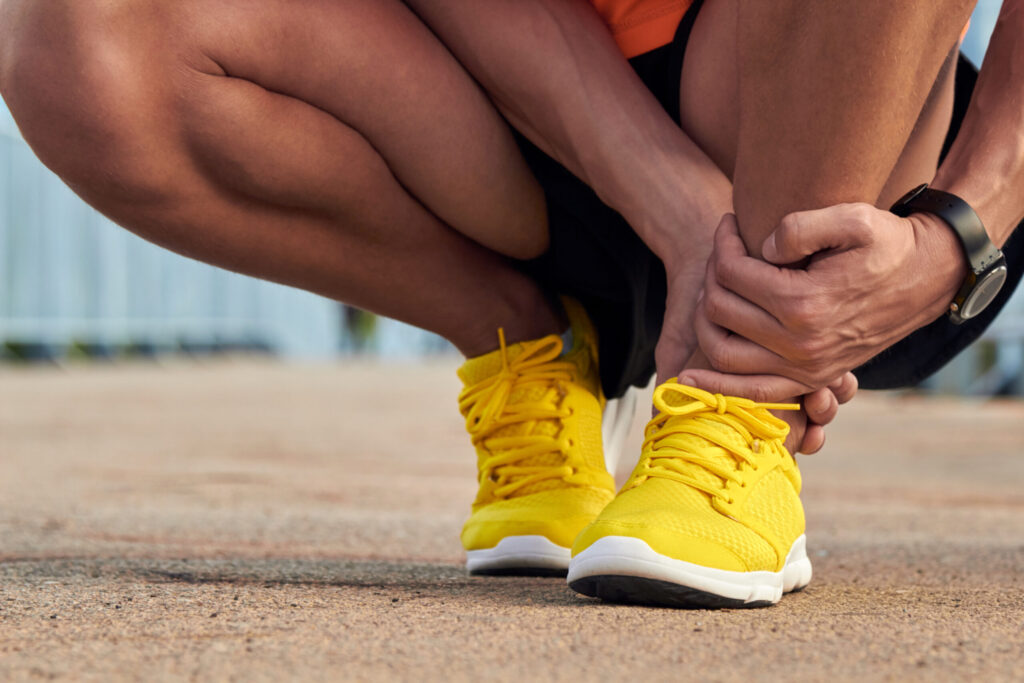
Chronic Ankle Pain Treatment: Expert Solutions for Long-Term Relief Ankle pain is a common problem that can affect people of all ages. While minor injuries often heal within a few weeks, chronic ankle pain can persist for months or even years, significantly impacting mobility and quality of life. Whether the discomfort is caused by an old injury, arthritis, tendon problems, or joint instability, timely and appropriate ankle pain treatment is essential to prevent long-term complications. According to orthopedic studies, ankle injuries account for a significant percentage of musculoskeletal complaints worldwide. Research suggests that up to 40% of ankle sprains may develop chronic symptoms if not treated properly. This highlights the importance of early diagnosis and expert care. With over 25 years of orthopedic experience, Dr. Himanshu Gupta specializes in diagnosing and treating complex joint conditions, helping patients achieve lasting relief from chronic ankle problems through evidence-based treatment approaches. Understanding Chronic Ankle Pain Chronic ankle pain refers to discomfort that lasts for more than three months. The pain may be constant or intermittent and can worsen during physical activity. Common symptoms include: ● Persistent ankle joint pain● Stiffness and reduced mobility● Difficulty standing for long periods● Ankle pain and swelling● Instability or repeated ankle sprains● Foot ankle pain during daily activities● Ankle pain when walking Many patients initially ignore mild symptoms, but untreated chronic pain can lead to worsening joint damage over time. What Are the Common Ankle Pain Causes? Understanding the underlying ankle pain causes is the first step toward effective treatment. Previous Ankle Injuries An untreated or poorly healed ankle sprain is one of the most common reasons for chronic ankle pain. Osteoarthritis Wear and tear of the ankle joint cartilage can cause pain, swelling, and stiffness, especially in older adults. Rheumatoid Arthritis This autoimmune condition can affect the ankle joints and lead to chronic inflammation. Tendonitis Inflammation of the tendons surrounding the ankle may develop due to overuse or repetitive strain. Ankle Instability Repeated ankle sprains can weaken the ligaments, resulting in ongoing instability and discomfort. Stress Fractures Small cracks in the bones may cause persistent pain, especially among athletes and active individuals. Identifying the Ankle Pain Reason Through Proper Diagnosis Finding the exact ankle pain reason requires a detailed evaluation by an orthopedic specialist. The diagnostic process may include: ● Comprehensive physical examination● Review of medical history● Digital X-rays● MRI scans● CT scans when necessary● Gait and movement assessment Accurate diagnosis helps determine the most effective treatment plan and prevents unnecessary interventions. Symptoms That Indicate You Need Professional Ankle Pain Treatment You should consult an orthopedic specialist if you experience: ● Persistent ankle pain lasting more than a few weeks● Ankle pain while walking● Recurring ankle sprains● Significant ankle pain and swelling● Difficulty climbing stairs● Reduced ankle mobility● Pain during sports or exercise Ignoring these symptoms can lead to progressive joint damage and chronic disability. Modern Ankle Pain Treatment Options The right ankle pain treatment depends on the underlying cause, severity of symptoms, and patient lifestyle. Activity Modification Reducing activities that aggravate symptoms can help decrease inflammation and promote healing. Medication Management Anti-inflammatory medications may help control pain and swelling under medical supervision. Physiotherapy and Rehabilitation Physical therapy plays a crucial role in restoring strength, flexibility, and balance. Benefits include:● Improved joint mobility● Enhanced muscle strength● Reduced pain● Better ankle stability● Lower risk of re-injury Orthotic Support Custom shoe inserts and supportive footwear can improve alignment and reduce pressure on the ankle joint. Advanced Injection Therapies In selected cases, advanced injection treatments may help reduce inflammation and improve function. Surgical Intervention When conservative treatments fail, surgery may be considered to repair damaged ligaments, tendons, or joint structures. Best Ankle Pain Exercises for Recovery ACL injuries are among the most common sports injuries Ankle Circles Slow circular movements help maintain joint mobility. Calf Stretching Stretching the calf muscles reduces tension around the ankle. Heel Raises This exercise strengthens the calf muscles and supports ankle function. Resistance Band Exercises Resistance training improves ankle strength and stability. Balance Training Single-leg balance exercises enhance coordination and reduce injury risk. Always perform exercises under professional guidance if chronic pain is present. Can an Ankle Belt for Pain Help? Many patients ask whether an ankle belt for pain is beneficial. An ankle brace or support belt may help by:● Providing external stability● Reducing excessive movement● Supporting injured ligaments● Improving confidence during walking However, an ankle belt should not replace proper diagnosis and treatment. Long-term dependence without addressing the root cause may delay recovery Why Does Ankle Pain When Walking Occur? Experiencing ankle pain when walking often indicates an underlying structural or inflammatory issue. Possible causes include:● Ligament injuries● Tendonitis● Arthritis● Joint instability● Cartilage damage● Stress fractures Pain that consistently occurs during walking should be evaluated by an orthopedic specialist. Managing Ankle Pain While Walking If you experience ankle pain while walking, the following strategies may help: ● Wear supportive footwear● Avoid uneven surfaces● Follow prescribed physiotherapy exercises● Maintain a healthy body weight● Use braces when recommended● Seek timely medical consultation Early intervention often prevents the progression of chronic conditions. Expert Care by Dr. Himanshu Gupta With over 25 years of experience in orthopedic care, Dr. Himanshu Gupta has successfully treated thousands of patients suffering from joint pain, sports injuries, arthritis, and chronic musculoskeletal conditions. His patient-centered approach focuses on: ● Accurate diagnosis● Evidence-based treatment● Advanced orthopedic techniques● Personalized rehabilitation programs● Long-term recovery and prevention Patients with chronic ankle conditions benefit from comprehensive evaluation and customized treatment plans designed to restore mobility and improve quality of life. Preventing Chronic Ankle Problems Prevention strategies include: ● Regular strengthening exercises● Maintaining healthy body weight● Wearing supportive footwear● Proper warm-up before sports● Prompt treatment of ankle injuries● Following rehabilitation programs completely Preventive care can significantly reduce the risk of chronic ankle pain and recurring injuries. FAQs What is the most effective ankle pain treatment? The best treatment depends on the underlying cause and may include physiotherapy, medication, braces, lifestyle changes, or surgery. What are the most
How to Test for Knee Ligament Injury at Home: Signs & Symptoms
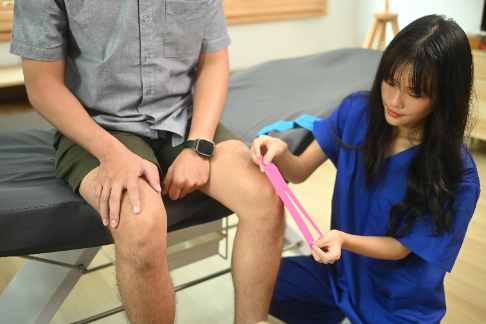
How to Test for Knee Ligament Injury at Home: Signs & Symptoms Knee injuries are common among athletes, gym-goers, working professionals, and older adults. Many people experience sudden knee pain after twisting the leg, falling, or playing sports and immediately wonder how serious the injury is. One of the most searched questions online is “how to test for knee ligament injury” at home before visiting a doctor. The knee contains strong connective tissues called knee ligaments that stabilize the joint and support movement. When these ligaments become stretched or torn, the knee may become painful, swollen, or unstable. Understanding the early signs of a knee ligament injury can help you seek timely treatment and avoid long-term complications. This guide explains simple ways to identify possible ligament damage, common symptoms, home tests, treatment options, recovery, and when to consult an orthopedic specialist like Dr. Himanshu Gupta. How to Test for Knee Ligament Injury? Many people search online for how to test for knee ligament injury after experiencing sudden knee pain, swelling, or instability. Knee ligament injuries happen when the strong tissues supporting the knee joint become stretched, partially torn, or completely damaged due to twisting, sports injuries, falls, or accidents. The knee contains four major ligaments: ● Anterior Cruciate Ligament (ACL) ● Posterior Cruciate Ligament (PCL) ● Medial Collateral Ligament (MCL) ● Lateral Collateral Ligament (LCL) These ligaments help maintain knee stability and support smooth movement during walking, running, jumping, and turning. To understand how to test for knee ligament injury, people often check for symptoms like swelling, difficulty walking, knee instability, stiffness, and pain during movement. Common Causes of Knee Ligament Injury Understanding the causes helps identify whether your symptoms may indicate ligament damage. Sports Injuries Football, cricket, basketball, badminton, and running can put stress on the knee ligaments. Sudden Twisting Movements Twisting the knee while the foot remains planted can damage ligaments Road Accidents Accidents may lead to severe ligament injuries due to direct impact. Falls and Slips Falling awkwardly can overstretch or tear the ligaments. Improper Landing After Jumping Landing incorrectly increases pressure on the knee joint. How to Test for Knee Ligament Injury at Home? Many people search for how to test for knee ligament injury because they want to know whether their knee pain is serious. While home tests cannot replace professional diagnosis, some signs and simple checks may indicate ligament damage. Common Signs of Knee Ligament Injury Before performing any test, look for these symptoms: ● Sudden knee pain ● Swelling around the knee ● Difficulty walking ● Knee instability ● Popping sound during injury ● Stiffness ● Limited range of motion ● Pain while climbing stairs ● Feeling that the knee may “give way” These are common knee ligament tear symptoms and may indicate damage to the ACL, PCL, MCL, or LCL. Home Tests for Knee Ligament Injury 1. Walking Test Question: Can you walk normally after the injury? Answer: If walking feels unstable or painful, there may be a ligament injury. Difficulty bearing weight often indicates moderate or severe damage. 2. Swelling Check Question: Did swelling appear within a few hours after injury? Answer: Rapid swelling usually suggests ligament damage or bleeding inside the knee joint. Swelling after sports injuries is commonly associated with ACL injuries. 3. Knee Stability Test Question: Does your knee feel loose or unstable? Answer: If the knee feels like it may buckle or give way while walking, it may indicate torn knee ligaments. Instability is one of the most important signs of ligament injury. 4. Range of Motion Test Question: Can you fully bend and straighten your knee? Answer: Pain or stiffness during movement may indicate inflammation or ligament damage. Severe injuries can limit movement significantly. 5. Pain Location Test Question: Where is the pain located? Answer: ● Inner knee pain may suggest MCL injury ● Outer knee pain may indicate LCL injury ● Deep central pain may be related to ACL or PCL injury Pain location can help identify which ligament is affected. How to Identify ACL Injury at Home? ACL injuries are among the most common sports injuries Signs of ACL Tear ● Loud popping sound during injury ● Immediate swelling ● Severe instability ● Difficulty walking ● Pain during turning movements People with ACL tears often report that their knee suddenly “gave out.” How to Identify MCL Injury at Home? The MCL ligament is located on the inner side of the knee. Signs of MCL Injury ● Pain on the inside of the knee ● Swelling ● Tenderness ● Instability during side movements MCL injuries commonly occur during contact sports How to Identify PCL Injury at Home? PCL injuries are usually caused by dashboard injuries or direct blows. Signs of PCL Injury ● Pain at the back of the knee ● Swelling ● Difficulty walking downstairs ● Knee weakness PCL injuries may feel less unstable compared to ACL tears. When Should You Avoid Home Testing? Home testing should be avoided if: ● The pain is severe ● You cannot walk ● The knee is heavily swollen ● There is deformity ● The knee locks completely In such cases, immediate medical evaluation is necessary. How Do Doctors Confirm Knee Ligament Injury? Professional diagnosis is important because home tests cannot confirm the severity of injury. Physical Examination Orthopedic doctors check stability, movement, swelling, and pain. MRI Scan X-rays help rule out fractures or bone damage. Dr. Himanshu Gupta uses advanced orthopedic evaluation methods to diagnose and treat ligament injuries accurately. Knee Ligament Injury Treatment Options Treatment depends on the severity of the injury. Non-Surgical Treatment Mild injuries may heal with: ● Rest ● Ice therapy ● Compression ● Elevation ● Physiotherapy ● Pain medications Physiotherapy helps strengthen muscles and improve knee stability When is Knee Ligament Surgery Needed? Knee ligament surgery may be recommended if: ● The ligament is completely torn ● The knee remains unstable ● Conservative treatment fails ● The patient wants to return to sports ACL reconstruction is one of the most common
Knee Ligament Injury Treatment: Symptoms, Surgery & Rehabilitation
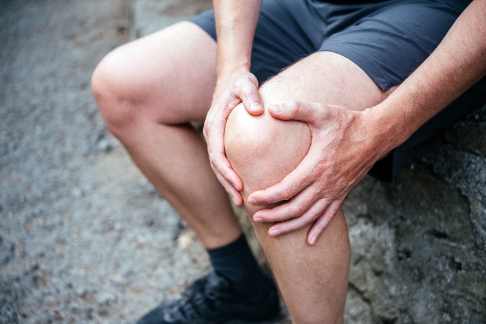
Knee Ligament Injury Treatment: Symptoms, Surgery & Rehabilitation Knee injuries are among the most common orthopedic problems affecting athletes, working professionals, and older adults. The knee joint supports body weight and plays a crucial role in movement, balance, and stability. When the ligaments of the knee joint become damaged, it can lead to pain, swelling, instability, and difficulty walking. Understanding the right knee ligament injury treatment is important for faster recovery and preventing long-term complications. Treatment options may include medications, physiotherapy, rehabilitation exercises, or advanced knee ligament surgery, depending on the severity of the injury. This guide explains the symptoms, causes, treatment options, surgery, risks, and rehabilitation process for knee ligament injuries in simple and informative language. What is a Knee Ligament Injury? A knee ligament injury occurs when one or more ligaments in the knee joint become stretched, partially torn, or completely torn. The knee contains strong connective tissues called knee ligaments that stabilize the joint and control movement. The four major ligaments of the knee joint are: ● Anterior Cruciate Ligament (ACL) ● Posterior Cruciate Ligament (PCL) ● Medial Collateral Ligament (MCL) ● Lateral Collateral Ligament (LCL) These knee joint ligaments work together to maintain balance and proper knee movement. Sports injuries, accidents, sudden twisting, or falls can damage these ligaments. Common Causes of Knee Ligament Injury Several activities and accidents may lead to ligament damage in the knee. Sports Injuries Sports like football, basketball, cricket, badminton, and kabaddi involve sudden turns and jumps that increase the risk of a knee ligament tear. Sudden Twisting of the Knee A sudden twisting motion while the foot remains planted can overstretch the ligaments Road Accidents High-impact trauma during accidents may damage multiple ligaments of the knee joint. Falls and Direct Impact Falls on the knee or direct blows can injure the ligaments and surrounding tissues Weak Muscles or Poor Conditioning Weak thigh muscles and improper warm-up increase stress on knee ligaments. Knee Ligament Tear Symptoms Recognizing early knee ligament tear symptoms helps in timely diagnosis and treatment. Common symptoms include: ● Sudden knee pain ● Swelling around the joint ● Popping sound at the time of injury ● Difficulty walking ● Knee instability ● Limited range of motion ● Stiffness in the knee ● Difficulty climbing stairs ● Feeling that the knee may “give way” Some people may experience severe pain immediately, while others notice instability after a few days. Types of Knee Ligament Injuries ACL Injury ACL injuries are common in athletes and occur during sudden stops or direction changes. PCL Injury PCL injuries usually occur after dashboard injuries in accidents or direct impact on the knee. MCL Injury MCL injuries affect the inner side of the knee and commonly happen during contact sports. LCL Injury LCL injuries affect the outer side of the knee and are less common but can cause instability. Diagnosis of Knee Ligament Injury Doctors diagnose knee ligament injuries using physical examination and imaging tests. Physical Examination The orthopedic specialist checks knee stability, swelling, pain, and movement MRI Scan MRI is the most effective test to identify ligament tears and soft tissue injuries X-Ray X-rays help rule out fractures or bone injuries. Early diagnosis is crucial for successful treatment of knee ligament injuries and expedited rehabilitation. Knee Ligament Injury Treatment Options The treatment depends on the type and severity of injury Non-Surgical Knee Ligament Injury Treatment Mild to moderate injuries can often heal without surgery. Rest and Activity Modification Avoid activities that put pressure on the knee Ice Therapy Ice packs help reduce swelling and pain. Compression and Elevation Compression bandages and elevation help control inflammation Physiotherapy Physiotherapy strengthens muscles and improves knee stability. Pain Medications Doctors may prescribe anti-inflammatory medications for pain relief. Non-surgical treatment is effective for minor ligament injuries and partial tears When is Knee Ligament Surgery Needed? Knee ligament surgery may be recommended when: ● The ligament is completely torn ● The knee feels unstable ● Conservative treatment fails ● The patient wants to return to sports ● Multiple ligaments are injured ACL reconstruction is one of the most common ligament surgeries Knee Ligament Surgery Procedure Arthroscopic Surgery Modern knee ligament surgery is usually performed arthroscopically using small incisions and a camera. Ligament Reconstruction The torn ligament is replaced with a graft taken from the patient’s own tendon or donor tissue. Minimally Invasive Technique Arthroscopic procedures reduce pain, blood loss, and recovery time. Most patients can return home within one or two days after surgery. Benefits of Knee Ligament Injury Treatment Proper treatment provides several long-term benefits. Improved Stability Treatment restores knee stability and prevents repeated injuries. Pain Relief It reduces chronic knee pain and swelling. Better Mobility Patients regain flexibility and normal walking ability Return to Sports Athletes can safely return to sports after rehabilitation. Prevention of Arthritis Early treatment may reduce the risk of future joint degeneration. Risks of Knee Ligament Surgery Like any surgical procedure, ligament surgery has some risks. Possible complications include: ● Infection ● Blood clots ● Stiffness ● Swelling ● Persistent pain ● Re-injury ● Delayed healing However, complications are less common when surgery is performed by experienced orthopedic specialists. Rehabilitation After Knee Ligament Surgery Rehabilitation is one of the most important parts of knee ligament injury treatment. Early Recovery Phase The initial weeks focus on reducing swelling and restoring movement. Strengthening Exercises Physiotherapy helps strengthen quadriceps and hamstring muscles. Balance Training Balance and coordination exercises improve knee function. Return to Activity Patients gradually resume sports and physical activities under medical guidance. Proper rehabilitation significantly improves recovery outcomes. Knee Ligament Injury Recovery Period The knee ligament injury recovery period depends on the severity of injury and treatment method. ● Mild injuries: 2–6 weeks ● Moderate injuries: 6–12 weeks ● Post-surgery recovery: 6–9 months Athletes may require longer rehabilitation before returning to competitive sports How to Prevent Knee Ligament Injuries Preventive measures help reduce the risk of ligament damage Warm-Up Before Exercise Always perform stretching and warm-up exercises. Strength Training Strong muscles support the knee joint.
Saddle Joint: Structure, Function & Common Problems
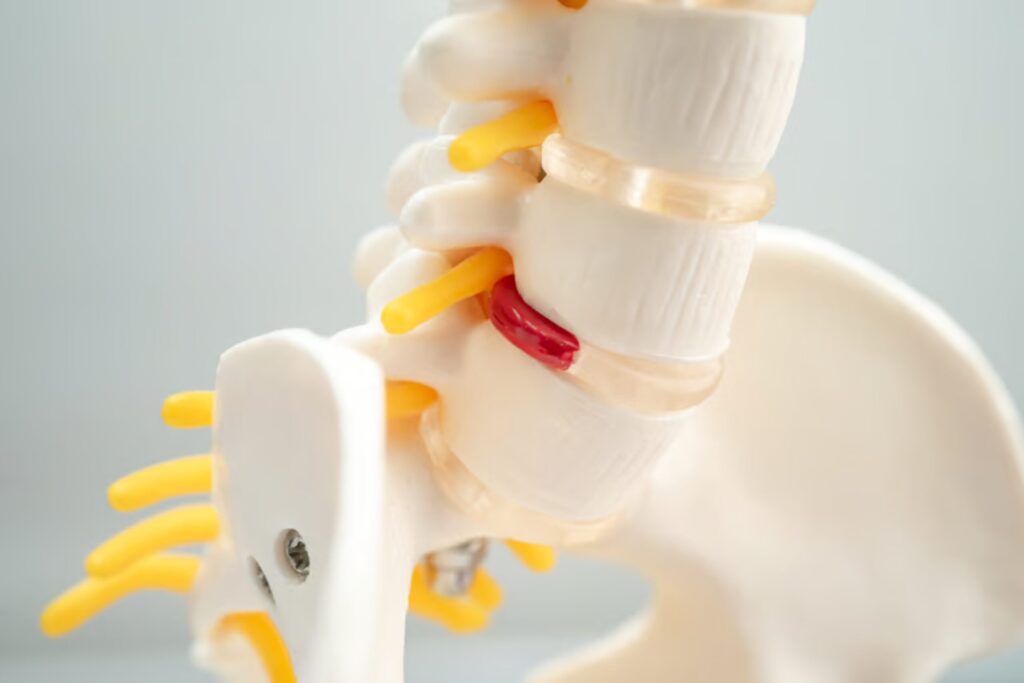
Saddle Joint: Structure, Function & Common Problems Understanding the saddle joint is important for learning how the human body performs flexible and controlled movements. At Sports Injury Xpert, experts like Dr. Himanshu Gupta focus on educating patients about different joint structures, injuries, and treatment options, including the Best tennis elbow & golfer elbow treatment in Delhi NCR for patients suffering from sports injuries and repetitive strain conditions. A saddle joint plays a major role in movement, grip strength, and flexibility, especially in the thumb region. Injuries or disorders affecting this joint can reduce mobility and impact daily activities. The human body contains different types of joints, and the saddle joint is one of the most unique because it allows movement in multiple directions while maintaining stability. This article explains the structure, function, location, movements, common disorders, diagnosis, and treatment methods related to the saddle joint in easy-to-understand language. What Is a Saddle Joint? A saddle joint is a type of synovial joint where two bones fit together like a rider sitting on a saddle. The surfaces of the bones are curved in opposite directions, which allows flexible movement. Many people search for what a saddle joint is because it is commonly discussed in anatomy, orthopedics, and physiotherapy. This joint allows movement forward, backward, side-to-side, and rotational movements with better control. The most common example of a saddle joint is the thumb joint. Saddle Joint Structure The structure of a saddle joint is different from other joints because both bone surfaces are concave and convex. This special shape improves mobility while maintaining stability. Bones Involved in Saddle Joint The classic saddle joint is located between: ● Trapezium bone ● First metacarpal bone Many anatomy students search for saddle joint is present between these bones because it is a common exam-related topic. This structure allows the thumb to move freely and perform gripping actions. Saddle Joint Diagram and Anatomy A saddle joint diagram usually shows the meeting point of two saddle-shaped bones. The diagram helps explain how movement occurs in different directions. Key anatomical components include: ● Articular cartilage ● Synovial membrane ● Joint capsule ● Ligaments ● Tendons These structures work together to provide stability and smooth movement. Location of Saddle Joint The primary location of saddle joint in the human body is at the base of the thumb. This joint is called the: ● Carpometacarpal joint of the thumb The thumb saddle joint allows humans to perform fine motor skills such as: ● Writing ● Holding objects ● Typing ● Gripping tools ● Opening bottles Without the saddle joint, thumb flexibility would be limited. Saddle Joint Movement One major feature of the saddle joint movement is multidirectional mobility. This joint allows movements such as: Flexion Movement of the thumb across the palm. Extension Movement of the thumb away from the palm. Abduction Movement away from the hand Adduction Movement toward the hand. Opposition The thumb touches the fingertips, helping with gripping and pinching. This movement is one of the reasons humans have excellent hand function compared to many animals. Functions of Saddle Joint The saddle joint plays an important role in hand coordination and daily activities. Improves Grip Strength The thumb can hold objects firmly due to saddle joint flexibility. Supports Fine Motor Skills Activities such as writing and buttoning clothes become possible. Enhances Hand Coordination tion The joint helps perform complex hand movements. Provides Controlled Mobility The joint balances movement with stability. Common Saddle Joint Problems Several conditions can affect the saddle joint, especially with aging, repetitive movements, or injuries. Osteoarthritis This is the most common problem affecting the thumb saddle joint. Cartilage wears down, causing: ● Pain ● Swelling ● Stiffness ● Weak grip Joint Inflammation Inflammation may occur because of overuse or autoimmune conditions. Ligament Injury Sudden trauma may damage the supporting ligaments. Thumb Instability Weakness in the supporting structures may cause instability. Repetitive Stress Injury Continuous hand movements can strain the joint. Symptoms of Saddle Joint Disorders People with a saddle joint problem may experience: ● Thumb pain ● Weak grip ● Joint stiffness ● Swelling ● Difficulty holding objects ● Reduced thumb movement ● Clicking sensation ● Pain during writing Symptoms may gradually worsen without treatment. Risk Factors for Saddle Joint Pain Several factors increase the risk of saddle joint disorders: ● Aging ● Arthritis ● Sports injuries ● Repetitive hand movements ● Previous trauma ● Obesity ● Joint overuse ● Weak muscles Individuals performing repetitive hand activities are at higher risk. Diagnosis of Saddle Joint Problems Doctors diagnose saddle joint disorders through physical examination and imaging tests. Physical Examination Doctors assess: ● Thumb movement ● Swelling ● Pain ● Grip strength X-Ray X-rays help identify arthritis and bone changes. MRI Scan MRI helps evaluate ligaments and soft tissues. CT Scan Used in severe or complex injuries. Orthopedic experts like Dr. Himanshu Gupta may recommend detailed evaluations for accurate diagnosis. Treatment Options for Saddle Joint Problems Treatment depends on the severity of symptoms and the underlying cause. Rest and Activity Modification Reducing repetitive hand movements can relieve pain. Medications Anti-inflammatory medicines help reduce pain and swelling. Physiotherapy Exercises improve strength and flexibility. Thumb Splints Supportive splints stabilize the joint. Injection Therapy Steroid injections may reduce inflammation temporarily. Surgery Severe arthritis or instability may require surgical treatment. Exercises for Saddle Joint Strength Certain exercises improve joint mobility and hand function. Thumb Stretch Improves flexibility. Grip Strength Exercise Strengthens hand muscles. Thumb Opposition Exercise Improves thumb coordination. Finger Stretching Reduces stiffness and improves mobility. Exercises should be performed under professional guidance if pain persists. Difference Between Saddle Joint and Other Joints The saddle joint differs from hinge joints and ball-and-socket joints. Joint Type Example Movement Saddle Joint Thumb Multi-directional Hinge Joint Elbow Forward and backward Ball-and-Socket Joint Shoulder Circular movement Each joint type has a specialized function. Connection Between Joint Pain and Orthopedic Treatment People searching for knee joint pain treatment or leg joint pain treatment often overlook the importance of joint mechanics throughout the body.
Knee Bend Exercise at Home: Easy Steps for Beginners

Knee Bend Exercise at Home: Easy Steps for Beginners A Knee Bend Exercise is one of the simplest and most effective ways to improve knee flexibility, mobility, and muscle strength at home. Whether you are recovering from an injury, dealing with stiffness, or trying to stay active, adding a regular exercise routine can support better joint health and movement. People who continue to experience discomfort or limited mobility may also consider professional Ghaziabad-based care options for advanced evaluation and rehabilitation. Many individuals experience knee pain when bending due to weak muscles, poor posture, arthritis, sports injuries, or prolonged sitting. In such situations, gentle exercises can help reduce discomfort and improve flexibility. However, if symptoms become severe or persistent, consulting a specialist for Knee Treatment in Ghaziabad can help identify the exact cause and provide personalised care. Proper diagnosis and early management are important to prevent long-term joint complications. This guide explains beginner-friendly exercises, their benefits, correct techniques, safety tips, and common mistakes to avoid. If you experience knee pain while bending, stiffness, or reduced mobility, combining home exercises with expert Knee Treatment in Ghaziabad may help improve overall knee function and support faster recovery naturally. What Is a Knee Bend Exercise? A knee bend exercise is a movement that helps improve the bending ability of the knee joint. These exercises focus on strengthening the muscles around the knee, including the quadriceps, hamstrings, calves, and hip muscles. The exercise can be done while standing, sitting, or lying down. Doctors and physiotherapists often recommend knee bend exercise routines after knee surgery, sports injuries, arthritis, or prolonged inactivity. Simple knee bends also improve blood circulation and reduce joint stiffness. For beginners, slow and controlled movements are important to avoid strain on the ligaments and cartilage. Benefits of Knee Bend Exercise Practicing a regular knee bend exercise routine provides multiple health benefits. Improves Knee Flexibility These exercises increase the range of motion in the knee joint and reduce stiffness. Strengthens Leg Muscles A knee bend exercise targets important muscle groups that support the knee and improve stability. Reduces Joint Stiffness People who experience a knee bending problem often notice improved mobility after regular exercise. Helps Manage Knee Pain Gentle exercises can help reduce knee pain while bending by improving joint support and muscle strength. Supports Recovery After Injury Doctors may recommend knee exercises after ligament injuries, arthritis treatment, or surgery rehabilitation. Common Causes of Knee Pain While Bending Many people experience discomfort while trying to bend your knees during walking, climbing stairs, or exercising. Some common causes include: ● Arthritis● Meniscus injury● Ligament strain● Muscle weakness● Obesity● Poor posture● Overuse injuries● Tendon inflammation Some individuals also hear a sound when bending knee joints. Mild clicking sounds are usually harmless, but pain with sounds may require medical evaluation. Knee Bend Exercise for Beginners at Home These beginner-friendly exercises are simple and safe to perform at home. Seated Knee Bend Exercise Steps:1. Sit on a chair comfortably.2. Slowly bend one knee backwards.3. Hold for 5 seconds.4. Return to the starting position.5. Repeat 10 times.This exercise improves flexibility and reduces stiffness. Wall Supported Knee Bends Steps:1. Stand against a wall.2. Slowly slide down into a partial squat.3. Hold for a few seconds.4. Return slowly.This knee bend exercise strengthens the quadriceps and improves knee stability. Heel Slide Exercise Steps:1. Lie flat on your back.2. Slide your heel toward your hips.3. Bend the knee gently.4. Hold briefly and return.This exercise is useful for people with a tight feeling in their knees when bending sensation. Standing Hamstring Curl Steps:1. Stand straight while holding a chair.2. Slowly bend one knee backwards.3. Bring your heel toward your buttocks.4. Lower slowly.This exercise supports balance and muscle strength. Knee Bend Test and Why It Matters Physiotherapists commonly use the prone knee bend test to check flexibility, nerve irritation, and muscle tightness. During this test, the patient lies on their stomach while the knee is carefully bent. Pain or stiffness during the prone knee bend test may indicate nerve tension or muscle tightness around the thigh and knee area. It is mainly used for diagnosis rather than exercise. Safety Tips While Doing Knee Bend Exercise Physiotherapists commonly use the prone knee bend test to check flexibility, nerve irritation, and muscle tightness. During this test, the patient lies on their stomach while the knee is carefully bent. Pain or stiffness during the prone knee bend test may indicate nerve tension or muscle tightness around the thigh and knee area. It is mainly used for diagnosis rather than exercise. Warm Up Before Exercise Always perform light stretching or walking before starting. Avoid Sudden Movements Fast movements may increase stress on the knee joints. Maintain Proper Posture Incorrect posture can worsen knee strain. Stop if You Feel Sharp Pain Mild stretching discomfort is normal, but severe pain is not. Wear Supportive Footwear Good shoes help reduce pressure on the knees. When to Stop Knee Bend Exercise ou should stop exercising and consult a doctor if you experience: ● Severe swelling● Locking of the knee● Sharp pain● Inability to walk● Persistent pain in back of knee when bending● Sudden instability Ignoring these symptoms may worsen joint damage. Common Mistakes During Knee Bend Exercise Many beginners make errors while performing exercises. Bending Too Deep Deep squats can increase pressure on the knee joints. Poor Alignment The knees should remain aligned with the toes. Skipping Warm-Up Cold muscles are more prone to injury. Exercising Through Pain Never force movements if you experience severe discomfort. How Often Should You Do Knee Bend Exercise? For beginners, a knee bend exercise routine can be performed: ● 3–5 days per week● 10–15 repetitions● 2–3 sets Consistency is more important than intensity. Gradual progression helps strengthen the knees safely. Can Knee Bend Exercise Help Knee Tightness? Yes, regular exercise can help if your knee feels tight when bending. Tightness often occurs because of weak muscles, inflammation, or prolonged inactivity. Stretching and strengthening exercises improve blood flow and flexibility, reducing stiffness over time. Diet and
Easy 7 Day Meal Plan for Muscle Gain at Home Naturally

Easy 7 Day Meal Plan for Muscle Gain at Home Naturally Building muscle naturally requires the right combination of exercise, recovery, hydration, and nutrition. Many people spend hours in the gym but fail to see proper results because they do not follow a structured 7 day meal plan for muscle gain. A balanced diet provides the body with protein, healthy fats, complex carbohydrates, vitamins, and minerals that support muscle recovery and growth. Whether you are a beginner, athlete, student, or fitness enthusiast, following a proper 7 day meal plan for muscle gain can help improve strength, energy, and overall body composition. A healthy muscle-building diet also supports immunity, metabolism, and bone health. This detailed guide explains the best 7 day meal plan for muscle gain and fat loss, healthy foods, hydration, and tips for better recovery with proper sports injury treatment. Why Nutrition Is Important for Muscle Gain Muscles need nutrients to repair and grow after workouts. Without proper nutrition, the body cannot build lean muscle mass effectively. A proper muscle gain diet helps: ● Increase muscle recovery ● Improve strength ● Reduce muscle breakdown ● Enhance workout performance ● Support healthy weight gain The body especially needs: ● Protein ● Complex carbohydrates ● Healthy fats ● Vitamins ● Minerals ● Water A balanced diet combined with strength training creates the ideal environment for natural muscle growth. Best Nutrients for Muscle Gain Protein Protein is the most important nutrient for muscle repair and growth. High-Protein Foods: ● Eggs ● Chicken breast ● Paneer ● Fish ● Greek yogurt ● Lentils ● Soy products ● Milk Protein supports muscle tissue rebuilding after exercise. Complex Carbohydrates Carbohydrates provide energy for workouts and muscle recovery. Healthy Carb Sources: ● Brown rice ● Oats ● Sweet potatoes ● Whole wheat bread ● Bananas ● Fruits Complex carbs also help maintain glycogen stores in muscles. Healthy Fats Healthy fats support hormone production and overall health. Good Fat Sources: ● Nuts ● Seeds ● Peanut butter ● Avocado ● Olive oil 7 Day Meal Plan for Muscle Gain Below is a simple and practical 7 day meal plan for muscle gain male and beginners who want natural results at home. Day 1 – High Protein Start Breakfast ● Oats with milk and banana ● 2 boiled eggs ● Almonds Mid-Morning Snack ● Greek yogurt ● Apple Lunch ● Brown rice ● Grilled chicken or paneer ● Mixed vegetables Evening Snack ● Peanut butter sandwich ● Banana shake Dinner ● Chapati ● Dal ● Salad ● Grilled fish or tofu This meal plan provides balanced protein and carbohydrates for muscle recovery Day 2 – Energy and Recovery Breakfast ● Vegetable omelet ● Whole wheat toast ● Milk Snack ● Handful of nuts ● Orange Lunch ● Chicken curry or soy chunks ● Rice ● Cucumber salad Evening Snack ● Sprouts chaat ● Coconut water Dinner ● Paneer bhurji ● Chapati ● Vegetables This day supports energy levels and healthy muscle gain. Day 3 – Lean Muscle Support Breakfast ● Peanut butter oats ● Banana ● Boiled eggs Snack ● Fruit smoothie ● Walnuts Lunch ● Grilled chicken ● Sweet potato ● Green vegetables Evening Snack ● Protein-rich yogurt ● Roasted chana Dinner ● Lentil soup ● Brown rice ● Salad This diet plan for muscle gain supports lean muscle development naturally. Day 4 – Strength Building Nutrition Breakfast ● Poha with peanuts ● Milk ● Eggs Snack ● Banana ● Almonds Lunch ● Chapati ● Rajma ● Mixed vegetables Evening Snack ● Peanut butter smoothie Dinner ● Grilled fish or paneer ● Rice ● Salad Balanced meals improve workout recovery and stamina. Day 5 – Healthy Muscle Gain Diet Breakfast ● Oats pancakes ● Honey ● Milk Snack ● Fruit bowl ● Nuts Lunch ● Chicken breast or tofu ● Brown rice ● Broccoli Evening Snack ● Boiled eggs ● Banana Dinner ● Dal ● Chapati ● Salad This meal structure supports healthy muscle gain diet goals. Day 6 – Muscle Gain and Fat Loss Support Many people want a 7 day meal plan for muscle gain and fat loss together. This requires clean eating and portion control. Breakfast ● Egg whites ● Oats ● Green tea Snack ● Apple ● Almonds Lunch ● Grilled chicken ● Salad ● Sweet potato Evening Snack ● Yogurt ● Roasted seeds Dinner ● Soup ● Paneer or tofu ● Vegetables This plan helps reduce excess fat while supporting lean muscle mass. Day 7 – Recovery and Rebuilding Breakfast ● Smoothie with banana, milk, oats, and peanut butter ● Boiled eggs Snack ● Fruit salad ● Walnuts Lunch ● Rice ● Chicken curry or dal ● Vegetables Evening Snack ● Protein shake ● Peanut chikki Dinner ● Chapati ● Paneer ● Green vegetables The final day focuses on recovery and preparing the body for the next training cycle. Foods to Gain Muscle Naturally Choosing the right foods to gain muscle is essential for natural muscle growth. Best Muscle-Building Foods: ● Eggs ● Chicken ● Fish ● Paneer ● Tofu ● Milk ● Oats ● Brown rice ● Sweet potatoes ● Bananas ● Nuts and seeds These foods provide essential amino acids, vitamins, and minerals needed for muscle repair. How to Gain Muscle at Home Many people ask, how to gain muscle at home without expensive gym memberships Simple Tips: ● Follow strength exercises regularly ● Eat protein-rich meals ● Sleep 7–8 hours daily ● Stay hydrated ● Avoid junk food ● Maintain calorie surplus Consistency is the key to natural muscle building. How to Gain Muscle Fast Safely People searching for how to gain muscle fast should focus on healthy and sustainable methods. Healthy Muscle Gain Tips: ● Increase protein intake ● Eat every 3–4 hours ● Perform resistance training ● Avoid skipping meals ● Stay consistent with workouts Rapid unhealthy weight gain can increase body fat instead of muscle. Common Mistakes That Prevent Muscle Gain 1. Skipping Meals Missing meals reduces calorie and protein intake. 2. Poor Sleep
Capitellum Fracture of Elbow: Signs, Diagnosis & Treatment
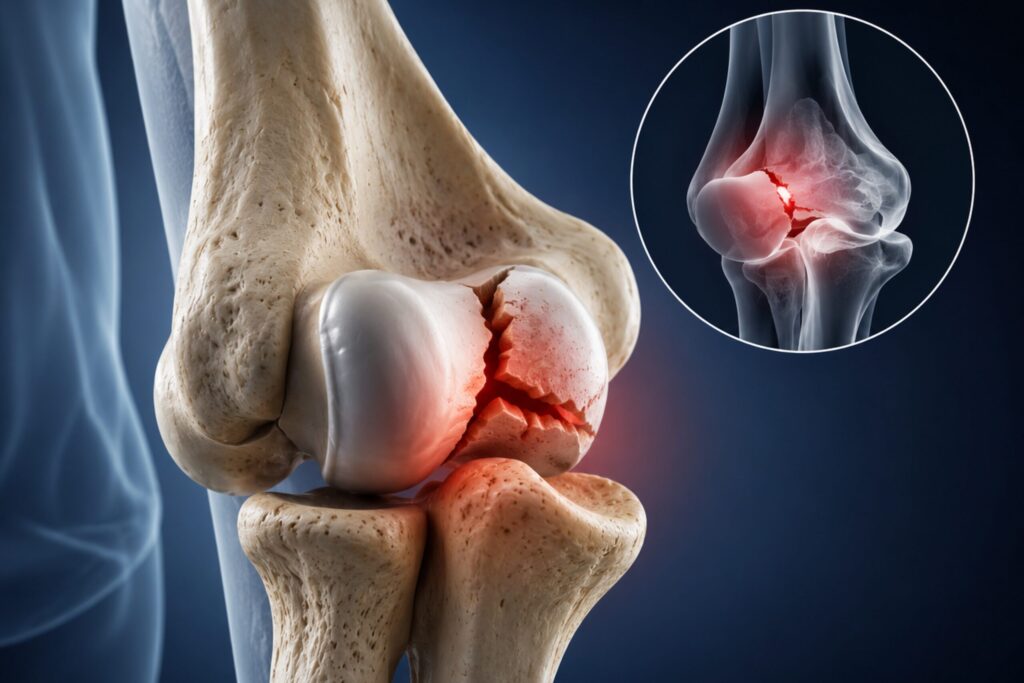
Capitellum Fracture of Elbow: Signs, Diagnosis & Treatment When it comes to expert bone and joint care, Dr. Deepak is a trusted name for advanced sports fracture treatment. With strong clinical experience and successful management of elbow fractures, he has helped many patients recover from injuries with the right treatment and rehabilitation. If you are suffering from a capitellum fracture, early diagnosis and proper care are important for pain relief and full elbow movement. A capitellum fracture of elbow is an uncommon injury that affects the rounded outer part of the lower humerus bone. This part of the elbow helps smooth movement with the radius bone. Delay in treatment may cause stiffness, pain, and reduced movement. What is Capitellum Fracture? A capitellum fracture is a break in the capitellum, which is the rounded outer part of the distal humerus near the elbow. It forms an important part of the elbow joint and supports bending, straightening, and forearm rotation. Why Capitellum is Important in Elbow Movement The capitellum connects with the radial head and allows smooth elbow motion. Injury in this area can disturb daily movements like lifting, writing, and turning the hand comfortably. Capitellum Fracture Causes Common capitellum fracture causes include trauma and falls that place sudden force on the elbow joint. Fall on Outstretched Hand This is the most common reason for capitellum fracture. When a person falls and tries to stop with the hand, force travels to the elbow and may break the capitellum bone. Sports Injury Sports like cricket, cycling, skating, football, and gym accidents may cause elbow impact or twisting that leads to fracture in active people. Road Traffic Accident High-impact accidents may create severe elbow trauma with fracture, swelling, pain, and reduced joint movement requiring urgent treatment. Weak Bones Older adults with osteoporosis may develop fractures even after a simple fall because their bone strength is already reduced. Capitellum Fracture Symptoms Recognizing capitellum fracture symptoms early helps in timely treatment and better healing. Common Warning Signs Severe elbow pain, swelling, bruising, difficulty moving the arm, tenderness on the outer elbow side, weakness, and pain while rotating the forearm are common symptoms. Loss of Motion Many patients cannot fully bend or straighten the elbow due to pain, swelling, or displaced fracture fragments inside the joint. Capitellum Fracture Diagnosis Proper capitellum fracture diagnosis is essential because some cases may be missed on simple X-rays. Physical Examination The doctor checks swelling, tenderness, movement limitation, elbow stability, circulation, and nerve function before planning treatment. X-Ray Test X-rays are the first imaging test used to confirm fracture, check displacement, and evaluate joint alignment after injury. CT Scan for Detailed View CT scan gives a clear picture of fracture fragments, size, and pattern. It helps plan surgery more accurately when needed. Capitellum Fracture Classification Doctors use capitellum fracture classification to understand injury severity and choose the best treatment plan. Type 1 Large Fragment Fracture A large bone fragment separates from the capitellum and may need fixation for stable healing and smooth joint movement. Type 2 Cartilage Dominant Injury This type contains more cartilage and less bone. Treatment depends on fragment stability and symptoms. Type 3 Comminuted Fracture Bone breaks into multiple small pieces. These injuries are more complex and often need surgery. Type 4 Extended Fracture The fracture extends to nearby trochlea area of the elbow joint and requires careful management. Capitellum Fracture Treatment The right capitellum fracture treatment depends on age, fracture displacement, bone quality, and activity level. Non-Surgical Treatment Stable and non-displaced fractures may heal with splint, cast, rest, pain control, repeat X-rays, and later physiotherapy to restore elbow motion safely. Surgical Treatment Displaced fractures usually need surgery to restore joint surface, secure bone fragments, and reduce long-term stiffness or arthritis risk. Capitellum Fracture Surgery Capitellum fracture surgery is recommended when the fracture fragment moves out of position or blocks joint movement. Common Surgery Methods Doctors may use headless screws, mini screws, or fixation devices to hold the fragment in proper alignment during healing. Benefits of Surgery Surgery can restore elbow anatomy, improve movement, lower stiffness risk, and allow earlier rehabilitation after healing begins. Capitellum Fracture Recovery Time Many patients ask about capitellum fracture recovery time after treatment. Expected Healing Timeline Mild fractures may heal in 6 to 8 weeks. Surgical fractures may take 8 to 12 weeks, while full recovery may need 3 to 6 months. Role of Physiotherapy Guided exercises help reduce stiffness, improve strength, restore flexibility, and support a better return to normal activity. Complications if Untreated Ignoring a capitellum fracture can lead to serious elbow problems. Possible Long-Term Issues Untreated fracture may cause chronic pain, elbow stiffness, weak grip, reduced movement, loose fragments, instability, and early arthritis in the joint. Why Choose Dr. Deepak? Dr. Deepak is trusted for orthopedic fracture care, accurate diagnosis, and patient-focused treatment. With valuable experience in bone and joint injuries, he offers modern treatment plans and proper rehabilitation guidance for better recovery. Expert Care for Elbow Injuries Patients choose Dr. Deepak for reliable consultation, personalized care, fracture management, and support throughout the healing process. FAQs What is a capitellum fracture? It is a break in the rounded outer lower part of the humerus bone inside the elbow joint. Does every capitellum fracture need surgery? No. Stable fractures may heal without surgery, but displaced fractures often need fixation. How long does recovery take? Most fractures heal in 6 to 12 weeks, but full strength may take a few months. Is physiotherapy necessary? Yes, physiotherapy is very important to regain elbow movement and reduce stiffness. Which doctor should I consult? You should consult an orthopedic specialist like Dr. Deepak for proper treatment. Final Words A capitellum fracture of elbow is a joint injury that should never be ignored. Early diagnosis and the right capitellum fracture treatment can help restore elbow movement and prevent long-term stiffness. Some cases heal with casting, while others need capitellum fracture surgery. If you have elbow pain after injury, consult Dr. Deepak for expert orthopedic care, proper
Shoulder Warm Up Exercises: Complete Detailed Guide Before Any Workout
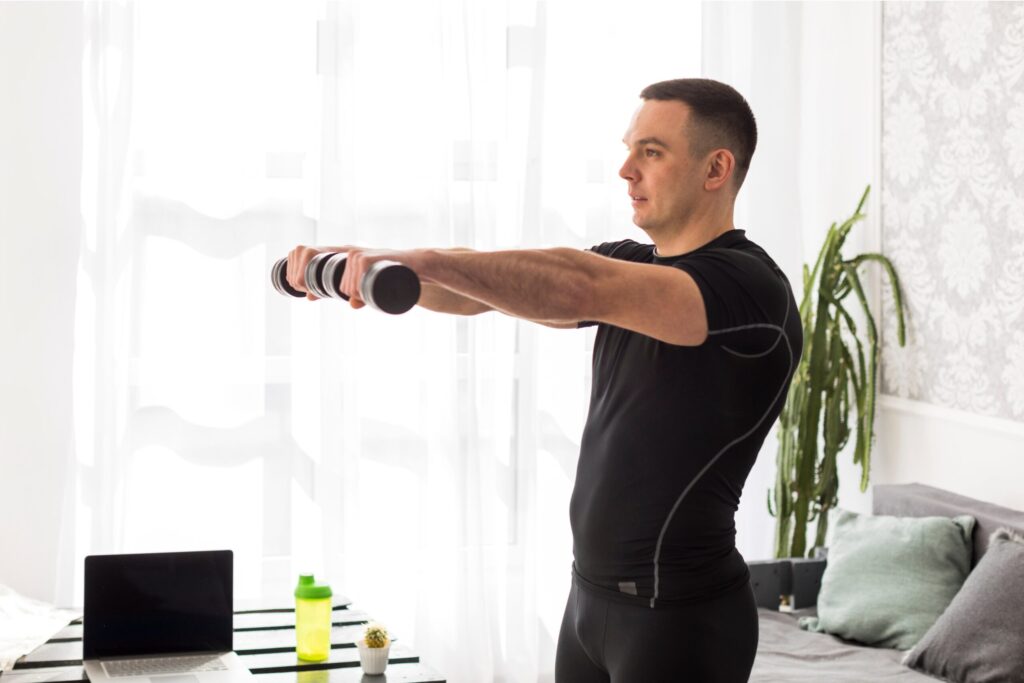
Shoulder Warm Up Exercises: Complete Detailed Guide Before Any Workout Shoulder injuries are extremely common—not just in athletes, but also in people who sit for long hours or suddenly start exercising. The biggest mistake most people make is skipping proper shoulder warm up exercises. A structured shoulder warm up before workout prepares your muscles, joints, and nervous system for movement. It reduces injury risk, improves strength output, and helps you perform exercises like presses, pull-ups, and even shoulder push-ups more efficiently. Let’s break down every point in detail so you understand not just what to do, but why it matters. Why Shoulder Warm Up is Important The shoulder joint (glenohumeral joint) is highly mobile but less stable compared to other joints. It relies heavily on muscles like the rotator cuff and scapular stabilizers for support. 1. Increases Blood Flow When you perform a shoulder workout warm up, your heart rate gradually increases and sends more oxygen-rich blood to the shoulder muscles. This helps: ● Improve muscle elasticity ● Reduce stiffness ● Prepare muscles for contraction Cold muscles are tight and more prone to tearing. Warm muscles are flexible and responsive. Improves Joint Lubrication and Helps Prevent Dislocated Shoulder Symptoms Inside your joints is a fluid called synovial fluid. During a shoulder warm-up routine, movement stimulates this fluid, which helps reduce stiffness and lowers the risk of common Dislocated Shoulder Symptoms caused by sudden strain or poor mobility. It also: ● Reduces friction between joint surfaces ● Allows smoother shoulder motion ● Protects cartilage and soft tissues ● Supports better joint stability during exercise Think of it like oiling a machine before using it—your shoulder moves better, safer, and with less stress. 3. Enhances Range of Motion (ROM) Without proper warm-up, your shoulder movement is restricted. Dynamic shoulder warm up stretches improve: ● Flexion (raising arms forward) ● Abduction (raising arms sideways) ● Rotation (internal & external) Better mobility = better exercise form + less injury risk. 4. Activates Stabilizing Muscles The shoulder depends on small but crucial muscles like the rotator cuff. A good shoulder warm up before lifting: ● Activates these muscles ● Improves joint stability ● Prevents issues like shoulder impingement 5. Reduces Risk of Injury Skipping warm-up can lead to: ● Muscle strains ● Ligament sprains ● Shoulder dislocation A proper shoulder warm up for gym ensures your body is ready for load and movement. Shoulder Warm Up Routine (Step-by-Step) Let’s go deeper into each exercise so you understand correct technique and purpose. 1. Arm Circles (Dynamic Activation) Execution: ● Stand upright with feet shoulder-width apart ● Extend arms parallel to the ground ● Start with small circles, gradually increasing size ● Perform both forward and backward rotations Why it works: This movement warms up the deltoid muscles and improves circulation around the joint. It also begins activating coordination between shoulder and upper back muscles. Common mistake: Moving too fast without control. Keep it slow and controlled. 2. Shoulder Rolls Execution: ● Relax your arms at your sides ● Lift shoulders up toward ears ● Roll them backward in a circular motion, then forward Why it works: Shoulder rolls target the trapezius and neck region, which often holds tension—especially in desk workers. Benefit: ● Releases tightness ● Improves posture ● Reduces neck stiffness 3. Resistance Band Pull-Aparts Execution: ● Hold a resistance band at shoulder height ● Keep arms straight ● Pull the band outward until it touches your chest ● Slowly return Why it works: This exercise activates the rear deltoids and rhomboids—muscles often neglected but essential for shoulder balance. Why important for gym: It counteracts excessive chest training (like bench press), reducing injury risk. 4. Wall Slides Execution: ● Stand with your back against a wall ● Keep arms in a “goalpost” position ● Slide arms upward while maintaining contact with the wall ● Bring them back down slowly Why it works: Wall slides improve scapular movement and coordination. Benefits: ● Enhances shoulder mobility ● Improves posture ● Strengthens stabilizing muscles 5. Scapular Push-Ups Execution: ● Get into a push-up position ● Keep arms straight ● Lower chest slightly by squeezing shoulder blades together ● Push back up by spreading shoulder blades apart Why it works: This isolates scapular movement, which is critical for safe shoulder mechanics. Connection to shoulder push ups: It prepares your body for full push-ups by activating stabilizers first. 6. Internal & External Rotation (Band Work) Execution: ● Attach a resistance band to a fixed object ● Keep elbow close to your body ● Rotate arm inward and outward Why it works: Targets rotator cuff muscles—key for shoulder stability. Importance: Weak rotator cuffs are a major cause of shoulder injuries. Shoulder Warm Up Stretches Explained Stretching improves flexibility and prepares muscles for full movement. Cross-Body Shoulder Stretch How it helps: ● Targets rear deltoid ● Relieves tightness from pulling exercises Detailed benefit: Improves horizontal movement and reduces strain during workouts. Overhead Triceps Stretch How it helps: ● Stretches triceps and shoulder joint ● Improves overhead mobility Why important: Essential before exercises like overhead press. Doorway Chest Stretch How it helps: ● Opens up tight chest muscles ● Improves shoulder alignment Key benefit: Prevents rounded shoulders and improves posture. Shoulder Warm Up for Gym If you’re doing heavy lifting, your shoulder warm up before lifting must include: ● Activation (bands) → prepares small muscles ● Mobility drills → improves movement ● Light resistance work → prepares for load Skipping this can lead to: ● Poor lifting form ● Muscle imbalance ● Increased injury risk Shoulder Push Ups Shoulder push ups are great for: ● Building upper body strength ● Activating shoulders and core ● Improving endurance However, they are not a complete warm-up because: ● They don’t improve mobility ● They don’t isolate rotator cuff ● They can strain unprepared muscles Always combine them with a full shoulder workout warm up. Common Mistakes ● Skipping Warm-Up- Leads to tight muscles and higher injury chances. ● Only Static Stretching- Static stretches alone


