
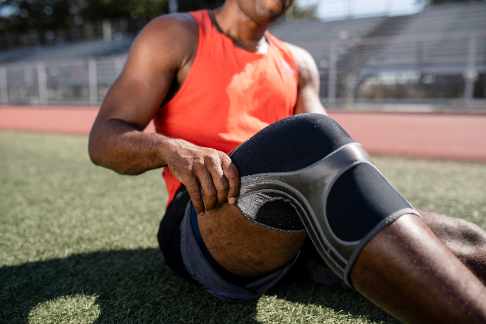
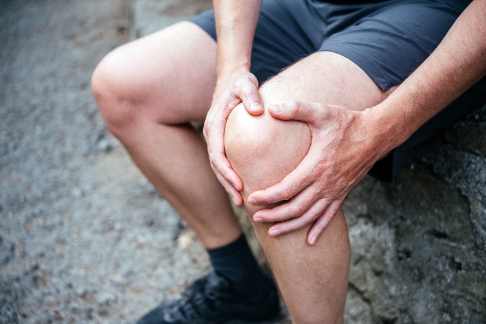
Knee injuries are among the most common orthopedic problems affecting athletes, working professionals, and older adults. The knee joint supports body weight and plays a crucial role in movement, balance, and stability. When the ligaments of the knee joint become damaged, it can lead to pain, swelling, instability, and difficulty walking. Understanding the right knee ligament injury treatment is important for faster recovery and preventing long-term complications. Treatment options may include medications, physiotherapy, rehabilitation exercises, or advanced knee ligament surgery, depending on the severity of the injury.
This guide explains the symptoms, causes, treatment options, surgery, risks, and rehabilitation process for knee ligament injuries in simple and informative language.
A knee ligament injury occurs when one or more ligaments in the knee joint become stretched, partially torn, or completely torn. The knee contains strong connective tissues called knee ligaments that stabilize the joint and control movement.
The four major ligaments of the knee joint are:
● Anterior Cruciate Ligament (ACL)
● Posterior Cruciate Ligament (PCL)
● Medial Collateral Ligament (MCL)
● Lateral Collateral Ligament (LCL)
These knee joint ligaments work together to maintain balance and proper knee movement. Sports injuries, accidents, sudden twisting, or falls can damage these ligaments.
Several activities and accidents may lead to ligament damage in the knee.
Sports like football, basketball, cricket, badminton, and kabaddi involve sudden turns and jumps that increase the risk of a knee ligament tear.
A sudden twisting motion while the foot remains planted can overstretch the ligaments
High-impact trauma during accidents may damage multiple ligaments of the knee joint.
Falls on the knee or direct blows can injure the ligaments and surrounding tissues
Weak thigh muscles and improper warm-up increase stress on knee ligaments.
Recognizing early knee ligament tear symptoms helps in timely diagnosis and treatment.
Common symptoms include:
● Sudden knee pain
● Swelling around the joint
● Popping sound at the time of injury
● Difficulty walking
● Knee instability
● Limited range of motion
● Stiffness in the knee
● Difficulty climbing stairs
● Feeling that the knee may “give way”
Some people may experience severe pain immediately, while others notice instability after a few days.
ACL injuries are common in athletes and occur during sudden stops or direction changes.
PCL injuries usually occur after dashboard injuries in accidents or direct impact on the knee.
MCL injuries affect the inner side of the knee and commonly happen during contact sports.
LCL injuries affect the outer side of the knee and are less common but can cause instability.
Doctors diagnose knee ligament injuries using physical examination and imaging tests.
The orthopedic specialist checks knee stability, swelling, pain, and movement
MRI is the most effective test to identify ligament tears and soft tissue injuries
X-rays help rule out fractures or bone injuries.
Early diagnosis is crucial for successful treatment of knee ligament injuries and expedited rehabilitation.
The treatment depends on the type and severity of injury
Mild to moderate injuries can often heal without surgery.
Avoid activities that put pressure on the knee
Ice packs help reduce swelling and pain.
Compression bandages and elevation help control inflammation
Physiotherapy strengthens muscles and improves knee stability.
Doctors may prescribe anti-inflammatory medications for pain relief.
Non-surgical treatment is effective for minor ligament injuries and partial tears
Knee ligament surgery may be recommended when:
● The ligament is completely torn
● The knee feels unstable
● Conservative treatment fails
● The patient wants to return to sports
● Multiple ligaments are injured
ACL reconstruction is one of the most common ligament surgeries
Modern knee ligament surgery is usually performed arthroscopically using small incisions and a camera.
The torn ligament is replaced with a graft taken from the patient’s own tendon or donor tissue.
Arthroscopic procedures reduce pain, blood loss, and recovery time. Most patients can return home within one or two days after surgery.
Proper treatment provides several long-term benefits.
Treatment restores knee stability and prevents repeated injuries.
It reduces chronic knee pain and swelling.
Patients regain flexibility and normal walking ability
Athletes can safely return to sports after rehabilitation.
Early treatment may reduce the risk of future joint degeneration.
Like any surgical procedure, ligament surgery has some risks.
Possible complications include:
● Infection
● Blood clots
● Stiffness
● Swelling
● Persistent pain
● Re-injury
● Delayed healing
However, complications are less common when surgery is performed by experienced orthopedic specialists.
Rehabilitation is one of the most important parts of knee ligament injury treatment.
The initial weeks focus on reducing swelling and restoring movement.
Physiotherapy helps strengthen quadriceps and hamstring muscles.
Balance and coordination exercises improve knee function.
Patients gradually resume sports and physical activities under medical guidance.
Proper rehabilitation significantly improves recovery outcomes.
The knee ligament injury recovery period depends on the severity of injury and treatment method.
● Mild injuries: 2–6 weeks
● Moderate injuries: 6–12 weeks
● Post-surgery recovery: 6–9 months
Athletes may require longer rehabilitation before returning to competitive sports
Preventive measures help reduce the risk of ligament damage
Always perform stretching and warm-up exercises.
Strong muscles support the knee joint.
Correct posture and movement reduce stress on the ligaments.
Supportive shoes improve stability during activities.
Excessive stress increases injury risk.
Consult an orthopedic specialist if you experience:
● Severe knee pain
● Swelling after injury
● Knee instability
● Difficulty walking
● Limited knee movement
● Repeated knee injuries
Early consultation helps prevent further damage and improves recovery.
Common symptoms include pain, swelling, instability, stiffness, and difficulty walking.
Yes, mild and partial tears can often heal with physiotherapy, rest, and medications.
Recovery may take a few weeks for minor injuries and 6–9 months after surgery
Modern arthroscopic surgery is minimally invasive and pain is managed with medications and rehabilitation.
ACL injuries are the most common ligament injuries among athletes and sports players.
Rehabilitation is one of the most important parts of knee ligament injury treatment.
Knee ligament injuries can affect mobility, sports performance, and daily life. Early diagnosis and proper knee ligament injury treatment are essential to restore stability
and function. Depending on the severity, treatment may involve physiotherapy, medications, or advanced knee ligament surgery followed by rehabilitation.
Understanding the symptoms, causes, and recovery process helps patients make informed decisions and return to normal activities safely. With proper medical care, rehabilitation, and preventive measures, most patients achieve excellent recovery outcomes.


Recover faster, play stronger. Advanced care for ACL tears, shoulder dislocations, ligament injuries, and more — all under expert hands and cutting-edge technology.
Fill the form and our team will get back to you shortly.