
Knee injuries are common among athletes, gym-goers, working professionals, and older adults. Many people experience sudden knee pain after twisting the leg, falling, or
playing sports and immediately wonder how serious the injury is. One of the most searched questions online is “how to test for knee ligament injury” at home before visiting a doctor. The knee contains strong connective tissues called knee ligaments that stabilize the joint and support movement. When these ligaments become stretched or torn, the knee may become painful, swollen, or unstable.
Understanding the early signs of a knee ligament injury can help you seek timely treatment and avoid long-term complications. This guide explains simple ways to identify
possible ligament damage, common symptoms, home tests, treatment options, recovery, and when to consult an orthopedic specialist like Dr. Himanshu Gupta.
Many people search online for how to test for knee ligament injury after experiencing sudden knee pain, swelling, or instability. Knee ligament injuries happen when the strong tissues supporting the knee joint become stretched, partially torn, or completely damaged due to twisting, sports injuries, falls, or accidents.
The knee contains four major ligaments:
● Anterior Cruciate Ligament (ACL)
● Posterior Cruciate Ligament (PCL)
● Medial Collateral Ligament (MCL)
● Lateral Collateral Ligament (LCL)
These ligaments help maintain knee stability and support smooth movement during walking, running, jumping, and turning. To understand how to test for knee ligament
injury, people often check for symptoms like swelling, difficulty walking, knee instability, stiffness, and pain during movement.
Understanding the causes helps identify whether your symptoms may indicate ligament damage.
Football, cricket, basketball, badminton, and running can put stress on the knee ligaments.
Twisting the knee while the foot remains planted can damage ligaments
Accidents may lead to severe ligament injuries due to direct impact.
Falling awkwardly can overstretch or tear the ligaments.
Landing incorrectly increases pressure on the knee joint.
Many people search for how to test for knee ligament injury because they want to know whether their knee pain is serious.
While home tests cannot replace professional diagnosis, some signs and simple checks may indicate ligament damage.
Before performing any test, look for these symptoms:
● Sudden knee pain
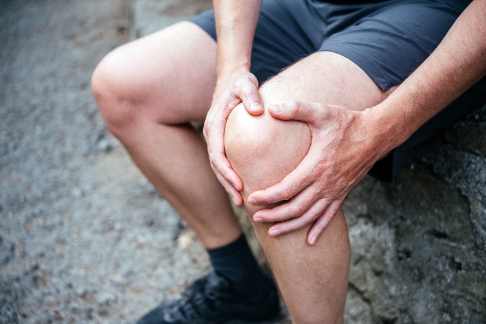
● Swelling around the knee
● Difficulty walking
● Knee instability
● Popping sound during injury
● Stiffness
● Limited range of motion
● Pain while climbing stairs
● Feeling that the knee may “give way”
These are common knee ligament tear symptoms and may indicate damage to the ACL, PCL, MCL, or LCL.
Question:
Can you walk normally after the injury?
Answer:
If walking feels unstable or painful, there may be a ligament injury. Difficulty bearing weight often indicates moderate or severe damage.
Question:
Did swelling appear within a few hours after injury?
Answer:
Rapid swelling usually suggests ligament damage or bleeding inside the knee joint. Swelling after sports injuries is commonly associated with ACL injuries.
Question:
Does your knee feel loose or unstable?
Answer:
If the knee feels like it may buckle or give way while walking, it may indicate torn knee ligaments. Instability is one of the most important signs of ligament injury.
Question:
Can you fully bend and straighten your knee?
Answer:
Pain or stiffness during movement may indicate inflammation or ligament damage. Severe injuries can limit movement significantly.
Question:
Where is the pain located?
Answer:
● Inner knee pain may suggest MCL injury
● Outer knee pain may indicate LCL injury
● Deep central pain may be related to ACL or PCL injury Pain location can help identify which ligament is affected.
ACL injuries are among the most common sports injuries
● Loud popping sound during injury
● Immediate swelling
● Severe instability
● Difficulty walking
● Pain during turning movements
People with ACL tears often report that their knee suddenly “gave out.”
The MCL ligament is located on the inner side of the knee.
● Pain on the inside of the knee
● Swelling
● Tenderness
● Instability during side movements
MCL injuries commonly occur during contact sports
PCL injuries are usually caused by dashboard injuries or direct blows.
● Pain at the back of the knee
● Swelling
● Difficulty walking downstairs
● Knee weakness
PCL injuries may feel less unstable compared to ACL tears.
Home testing should be avoided if:
● The pain is severe
● You cannot walk
● The knee is heavily swollen
● There is deformity
● The knee locks completely
In such cases, immediate medical evaluation is necessary.
Professional diagnosis is important because home tests cannot confirm the severity of injury.
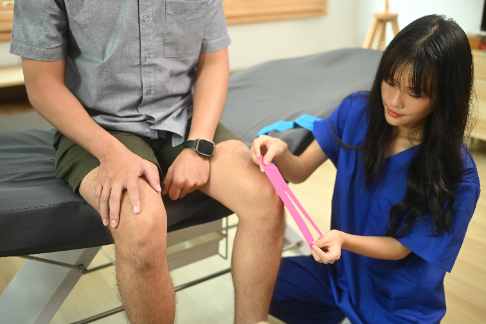
Orthopedic doctors check stability, movement, swelling, and pain.
X-rays help rule out fractures or bone damage.
Dr. Himanshu Gupta uses advanced orthopedic evaluation methods to diagnose and
treat ligament injuries accurately.
Treatment depends on the severity of the injury.
Mild injuries may heal with:
● Rest
● Ice therapy
● Compression
● Elevation
● Physiotherapy
● Pain medications
Physiotherapy helps strengthen muscles and improve knee stability
Knee ligament surgery may be recommended if:
● The ligament is completely torn
● The knee remains unstable
● Conservative treatment fails
● The patient wants to return to sports
ACL reconstruction is one of the most common procedures performed for athletes and active individuals. Dr. Himanshu Gupta specializes in advanced knee ligament surgery and rehabilitation programs.
The knee ligament injury recovery period depends on the type of injury and treatment.
Preventive measures help reduce the risk of ligament damage
● Mild injury: 2–6 weeks
● Moderate tear: 6–12 weeks
● After surgery: 6–9 months
Rehabilitation exercises are essential for complete recovery
Rehabilitation helps restore strength, flexibility, and balance.
● Straight leg raises
● Quadriceps strengthening
● Hamstring exercises
● Balance training
● Stretching exercises
A structured rehabilitation program reduces the risk of re-injury
Preventive measures include:
● Proper warm-up before sports
● Strength training
● Wearing proper footwear
● Avoiding sudden twisting movements
● Maintaining healthy body weight
● Improving balance and flexibility
Strong muscles support the knee joint and protect ligaments.
Dr. Himanshu Gupta is known for advanced orthopedic and sports injury treatments. He provides comprehensive care for ligament injuries using modern diagnostic techniques, physiotherapy guidance, and minimally invasive procedures.
Patients trust Dr. Himanshu Gupta for:
● Accurate diagnosis
● Personalized treatment plans
● Advanced knee ligament surgery
● Sports injury rehabilitation
● Faster recovery guidance
Early treatment can prevent long-term knee instability and arthritis.
Common symptoms include swelling, pain, instability, stiffness, and difficulty walking.
Yes, simple checks for swelling, instability, movement restriction, and pain may indicate ligament damage.
MRI scan is considered the best test for diagnosing ligament injuries.
Recovery may take a few weeks for minor injuries and several months after surgery
Surgery is needed for complete ligament tears, severe instability, or sports-related injuries.
Rehabilitation is one of the most important parts of knee ligament injury treatment.
Understanding how to test for knee ligament injury at home can help identify early warning signs such as pain, swelling, instability, and difficulty walking. While home tests
provide useful clues, professional diagnosis remains essential for accurate treatment. Ignoring a knee ligament tear may lead to chronic instability and long-term
complications. Timely treatment, rehabilitation, and proper care can help restore knee strength and mobility.
If you experience persistent pain or instability, consult an experienced orthopedic specialist like Dr. Himanshu Gupta for proper evaluation and advanced treatment options.


Recover faster, play stronger. Advanced care for ACL tears, shoulder dislocations, ligament injuries, and more — all under expert hands and cutting-edge technology.
Fill the form and our team will get back to you shortly.