Capitellum Fracture of Elbow: Signs, Diagnosis & Treatment
When it comes to expert bone and joint care, Dr. Deepak is a trusted name for advanced sports fracture treatment. With strong clinical experience and successful management of elbow fractures, he has helped many patients recover from injuries with the right treatment and rehabilitation. If you are suffering from a capitellum fracture, early diagnosis and proper care are important for pain relief and full elbow movement.
A capitellum fracture of elbow is an uncommon injury that affects the rounded outer part of the lower humerus bone. This part of the elbow helps smooth movement with the radius bone. Delay in treatment may cause stiffness, pain, and reduced movement.
What is Capitellum Fracture?
A capitellum fracture is a break in the capitellum, which is the rounded outer part of the distal humerus near the elbow. It forms an important part of the elbow joint and supports bending, straightening, and forearm rotation.
Why Capitellum is Important in Elbow Movement
The capitellum connects with the radial head and allows smooth elbow motion. Injury in this area can disturb daily movements like lifting, writing, and turning the hand comfortably.
Capitellum Fracture Causes
Common capitellum fracture causes include trauma and falls that place sudden force on the elbow joint.
Fall on Outstretched Hand
This is the most common reason for capitellum fracture. When a person falls and tries to stop with the hand, force travels to the elbow and may break the capitellum bone.
Sports Injury
Sports like cricket, cycling, skating, football, and gym accidents may cause elbow impact or twisting that leads to fracture in active people.
Road Traffic Accident
High-impact accidents may create severe elbow trauma with fracture, swelling, pain, and reduced joint movement requiring urgent treatment.
Weak Bones
Older adults with osteoporosis may develop fractures even after a simple fall because their bone strength is already reduced.
Capitellum Fracture Symptoms
Recognizing capitellum fracture symptoms early helps in timely treatment and better healing.
Common Warning Signs
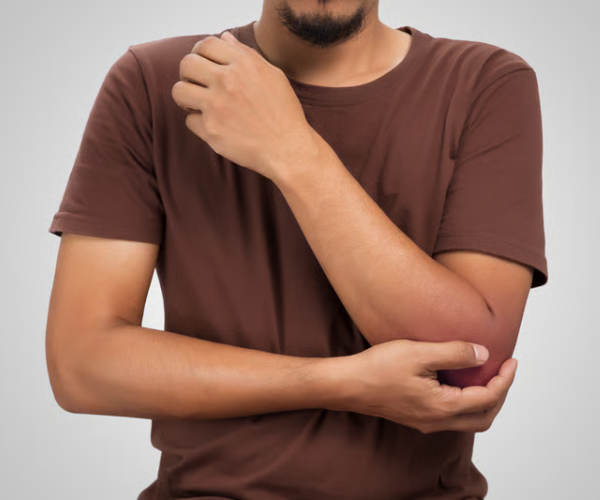
Severe elbow pain, swelling, bruising, difficulty moving the arm, tenderness on the outer elbow side, weakness, and pain while rotating the forearm are common symptoms.
Loss of Motion
Many patients cannot fully bend or straighten the elbow due to pain, swelling, or displaced fracture fragments inside the joint.
The doctor checks swelling, tenderness, movement limitation, elbow stability, circulation, and nerve function before planning treatment.
X-Ray Test
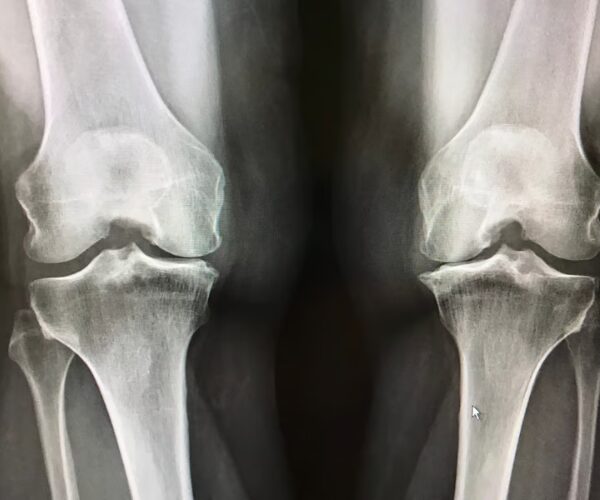
X-rays are the first imaging test used to confirm fracture, check displacement, and evaluate joint alignment after injury.
CT Scan for Detailed View
CT scan gives a clear picture of fracture fragments, size, and pattern. It helps plan surgery more accurately when needed.
Capitellum Fracture Classification
Doctors use capitellum fracture classification to understand injury severity and choose the best treatment plan.
Type 1 Large Fragment Fracture
A large bone fragment separates from the capitellum and may need fixation for stable healing and smooth joint movement.
Type 2 Cartilage Dominant Injury
This type contains more cartilage and less bone. Treatment depends on fragment stability and symptoms.
Type 3 Comminuted Fracture
Bone breaks into multiple small pieces. These injuries are more complex and often need surgery.
Type 4 Extended Fracture
The fracture extends to nearby trochlea area of the elbow joint and requires careful management.
Capitellum Fracture Treatment
The right capitellum fracture treatment depends on age, fracture displacement, bone quality, and activity level.
Non-Surgical Treatment
Stable and non-displaced fractures may heal with splint, cast, rest, pain control, repeat X-rays, and later physiotherapy to restore elbow motion safely.
Surgical Treatment
Displaced fractures usually need surgery to restore joint surface, secure bone fragments, and reduce long-term stiffness or arthritis risk.
Capitellum Fracture Surgery
Capitellum fracture surgery is recommended when the fracture fragment moves out of position or blocks joint movement.
Common Surgery Methods
Doctors may use headless screws, mini screws, or fixation devices to hold the fragment in proper alignment during healing.
Benefits of Surgery
Surgery can restore elbow anatomy, improve movement, lower stiffness risk, and allow earlier rehabilitation after healing begins.
Capitellum Fracture Recovery Time
Many patients ask about capitellum fracture recovery time after treatment.
Expected Healing Timeline
Mild fractures may heal in 6 to 8 weeks. Surgical fractures may take 8 to 12 weeks, while full recovery may need 3 to 6 months.
Role of Physiotherapy
Guided exercises help reduce stiffness, improve strength, restore flexibility, and support a better return to normal activity.
Complications if Untreated
Ignoring a capitellum fracture can lead to serious elbow problems.
Possible Long-Term Issues
Untreated fracture may cause chronic pain, elbow stiffness, weak grip, reduced movement, loose fragments, instability, and early arthritis in the joint.
Why Choose Dr. Deepak?
Dr. Deepak is trusted for orthopedic fracture care, accurate diagnosis, and patient-focused treatment. With valuable experience in bone and joint injuries, he offers modern treatment plans and proper rehabilitation guidance for better recovery.
Expert Care for Elbow Injuries
Patients choose Dr. Deepak for reliable consultation, personalized care, fracture management, and support throughout the healing process.
FAQs
What is a capitellum fracture?
It is a break in the rounded outer lower part of the humerus bone inside the elbow joint.
Does every capitellum fracture need surgery?
No. Stable fractures may heal without surgery, but displaced fractures often need fixation.
How long does recovery take?
Most fractures heal in 6 to 12 weeks, but full strength may take a few months.
Is physiotherapy necessary?
Yes, physiotherapy is very important to regain elbow movement and reduce stiffness.
Which doctor should I consult?
You should consult an orthopedic specialist like Dr. Deepak for proper treatment.
Final Words
A capitellum fracture of elbow is a joint injury that should never be ignored. Early diagnosis and the right capitellum fracture treatment can help restore elbow movement and prevent long-term stiffness. Some cases heal with casting, while others need capitellum fracture surgery.
If you have elbow pain after injury, consult Dr. Deepak for expert orthopedic care, proper diagnosis, and complete recovery support.
Book Appointment
Fill the form and our team will get back to you shortly.