

Orthopedic Ankle Support: Benefits, Uses, and How It Helps Prevent Injuries
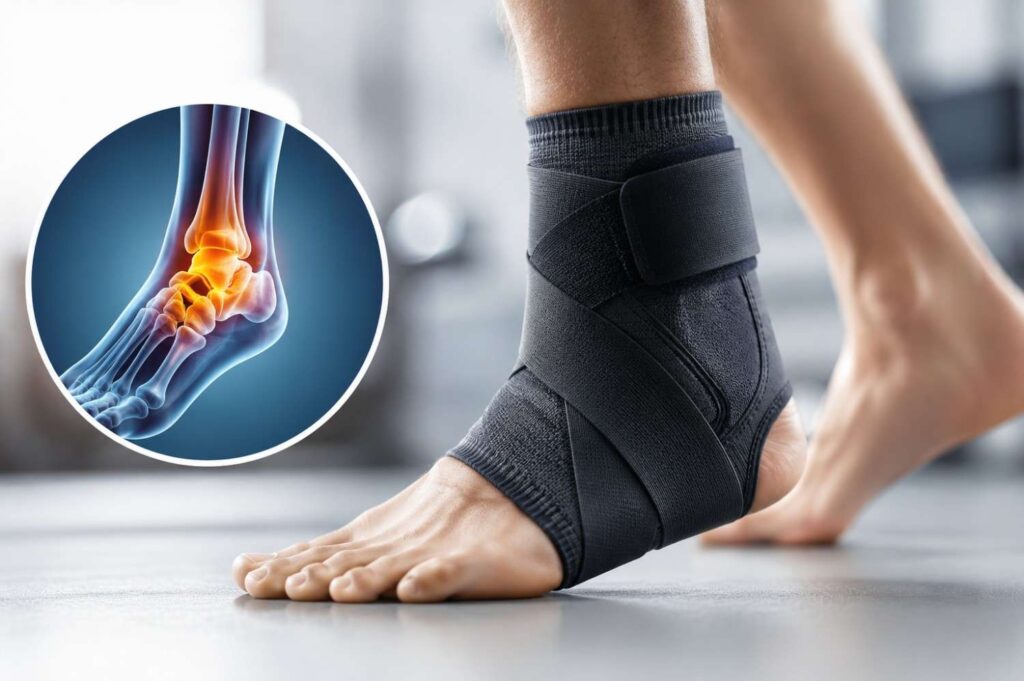
Orthopedic Ankle Support: Benefits, Uses, and How It Helps Prevent Injuries The ankle is one of the hardest-working joints in the human body. Every step you take, whether walking, running, climbing stairs, or exercising, places pressure on the ankle joint and its supporting structures. Because of this constant stress, ankle injuries are among the most common musculoskeletal problems affecting people of all ages. Athletes, fitness enthusiasts, older adults, and even individuals performing routine daily activities can experience ankle pain, sprains, ligament injuries, and instability. When these problems occur, proper support becomes essential for both recovery and prevention. An orthopedic ankle support is specifically designed to stabilize the ankle, protect injured tissues, and reduce the risk of future injuries. Whether you are recovering from an ankle sprain, managing chronic instability, or looking for extra protection during physical activities, understanding the benefits and proper use of ankle support can help you maintain mobility and long-term joint health. Understanding Orthopedic Ankle Support and Its Role in Joint Stability Orthopedic ankle support is a specialized medical device designed to provide stability, compression, and protection to the ankle joint. Unlike ordinary elastic wraps, an orthopedic ankle brace offers structured support that helps control excessive movement while allowing safe mobility. The ankle joint relies on a complex network of ligaments, tendons, muscles, and bones to maintain balance and movement. When any of these structures become injured or weakened, ankle instability can develop. An orthopedic ankle support works by: ● Stabilizing the ankle joint and reducing unwanted side-to-side movement that can worsen injuries. ● Supporting injured ligaments and tendons during the healing process. ● Providing compression that helps reduce swelling and discomfort. ● Enhancing balance and confidence during walking, sports, and daily activities. ● Protecting the ankle from repetitive stress and re-injury. Many healthcare professionals recommend an ankle support brace as part of a comprehensive treatment and rehabilitation plan for ankle injuries. Common Ankle Conditions That May Require Additional Support Several ankle conditions can benefit significantly from orthopedic support. Early intervention often improves recovery outcomes and reduces long-term complications. Ankle Sprains An ankle sprain occurs when the ligaments that stabilize the ankle are stretched or torn due to sudden twisting or rolling movements. Common ankle sprain symptoms include: ● Pain around the ankle joint, especially during movement. ● Swelling that develops shortly after the injury. ● Bruising or discoloration around the affected area. ● Difficulty walking or bearing weight. ● A feeling of instability or weakness in the ankle. An orthopedic ankle brace helps protect the injured ligaments while allowing controlled movement during recovery. Ankle Ligament Injuries Ligament injuries vary from mild stretching to complete tears. These injuries often occur during sports, accidents, or sudden changes in direction. Proper ankle ligament injury treatment may include: ● Rest and activity modification. ● Ice and compression therapy. ● Physiotherapy and strengthening exercises. ● Orthopedic bracing for additional support. ● Surgical intervention in severe cases. Tendon Injuries and Inflammation Tendons surrounding the ankle can become inflamed due to overuse, repetitive movements, or biomechanical abnormalities. Supportive braces help reduce stress on these structures during healing. Chronic Ankle Instability Repeated ankle injuries may lead to chronic instability, causing the ankle to frequently “give way” during daily activities. Long-term support and rehabilitation are often necessary to restore function. Key Benefits of Using an Orthopedic Ankle Support Orthopedic ankle supports offer numerous benefits for both injury management and prevention. Improved Joint Stability One of the primary advantages is increased ankle stability. The brace helps maintain proper alignment and prevents excessive movement that can aggravate existing injuries. Reduced Pain and Discomfort Many individuals experience significant pain relief when using an orthopedic ankle support because the device reduces stress on injured tissues and provides gentle compression. Enhanced Mobility A stable ankle allows individuals to move more comfortably and confidently. This can improve walking, exercise participation, and overall daily function. Faster Recovery Support During rehabilitation, controlled movement is important for tissue healing. Orthopedic braces allow safe activity while protecting healing ligaments and tendons. Prevention of Recurrent Injuries People who have previously experienced ankle sprains are at greater risk of future injuries. An orthopedic ankle brace helps minimize this risk during sports and physical activities. Better Performance During Physical Activity Athletes often use ankle supports to improve confidence and reduce injury concerns while participating in demanding sports. Who Can Benefit Most from an Orthopedic Ankle Brace? Orthopedic ankle supports are beneficial for many different groups of people. Athletes and Sports Participants Athletes frequently place significant stress on their ankles during activities involving running, jumping, and rapid directional changes. Benefits include: ● Improved stability during competition. ● Reduced risk of ankle sprains. ● Additional protection during recovery periods. Individuals Recovering from Ankle Injuries People recovering from sprains, ligament injuries, or surgery often require extra support while healing. Older Adults As people age, balance and joint stability may decline. Ankle supports can improve confidence while walking and reduce fall risk. Individuals with Arthritis Arthritis can cause pain, stiffness, and instability in the ankle joint. Braces provide support that may improve comfort and mobility. Physically Active Workers Individuals whose jobs involve prolonged standing, walking, climbing, or lifting may benefit from ankle support to reduce strain on the joint. Choosing the Right Ankle Support Brace for Your Needs Not all ankle supports provide the same level of protection. Selecting the right brace depends on the severity of the condition and the intended activity. Mild Support Options Compression sleeves are commonly used for: ● Mild discomfort. ● Swelling management. ● Injury prevention during light activities. ● Daily wear. Moderate Support Options Lace-up braces offer a balance between flexibility and stability. These braces are often recommended for: ● Mild-to-moderate ankle sprains. ● Sports participation. ● Early rehabilitation stages. ● Chronic ankle instability. Maximum Stabilization Braces Rigid and semi-rigid braces provide the highest level of support. They are commonly used for: ● Severe ligament injuries. ● Post-surgical recovery. ● Significant ankle instability. ● High-risk physical activities. Before selecting a brace, consider comfort, fit, breathability,
Pain in Upper Left Arm Between Elbow and Shoulder Guide

Pain in Upper Left Arm Between Elbow and Shoulder Guide Pain in the upper left arm between the elbow and shoulder is a common problem that can affect people of all ages. Some people notice the discomfort after lifting heavy objects, exercising, or performing repetitive tasks, while others experience pain without any obvious injury. The pain may feel dull, sharp, aching, or even burning depending on the underlying cause. The upper arm contains muscles, tendons, nerves, blood vessels, and bones that work together to support movement and strength. When any of these structures become irritated or injured, everyday activities such as lifting, reaching, carrying groceries, or even sleeping can become uncomfortable. Many people ignore mild arm pain and assume it will disappear on its own. While minor muscle strain often improves with rest, persistent symptoms may indicate an underlying condition that requires medical attention. Understanding the possible causes and treatment options can help you take the right steps toward recovery. What Is Pain in Upper Left Arm Between Elbow and Shoulder? Pain in the upper left arm between the elbow and shoulder refers to discomfort that develops in the area of the upper arm, commonly around the biceps, triceps, tendons, or surrounding soft tissues. In some cases, the pain originates directly from the arm. In others, the discomfort may actually come from the shoulder, neck, or nearby joints and travel down the arm. The severity of symptoms can vary significantly from person to person. Some individuals experience occasional soreness after physical activity, while others struggle with ongoing Left Upper Arm Pain that interferes with work, exercise, and daily activities. The location, intensity, and duration of the pain often provide valuable clues about the underlying cause. Pain can develop suddenly after an injury or appear gradually over time due to repetitive movements and overuse. Identifying the source of the discomfort is essential because treatment depends largely on the condition causing the symptoms. Common Causes of Upper Left Arm Pain There are several possible Causes of Upper Left Arm Pain, ranging from simple muscle strain to nerve-related conditions. Understanding these causes can help determine whether the problem is temporary or requires professional evaluation. Muscle Strain and Overuse Muscle strain is one of the most common reasons people experience upper arm discomfort. It usually occurs when muscles are stretched beyond their normal limits or subjected to repetitive stress. Activities such as weightlifting, manual labor, sports, gardening, and carrying heavy loads can contribute to muscle strain. Common signs of muscle strain include: ● Localized soreness ● Mild swelling ● Tenderness to touch ● Difficulty lifting objects ● Temporary muscle weakness Most mild muscle strains improve within a few days or weeks with appropriate rest and activity modification. Tendonitis and Biceps Tendon Problems The biceps muscle runs along the front of the upper arm and attaches to the shoulder and elbow through tendons. When these tendons become inflamed, pain often develops in the front portion of the upper arm. People with tendonitis frequently experience: ● Pain in Left Bicep Area ● Discomfort while lifting objects ● Pain during overhead movements ● Tenderness near the shoulder ● Weakness during arm activity Tendonitis is particularly common among athletes, gym-goers, and individuals whose jobs involve repetitive arm movements. Shoulder Conditions Many cases of Shoulder to Elbow Pain actually begin in the shoulder joint rather than the arm itself. Conditions such as rotator cuff injuries, shoulder impingement syndrome, frozen shoulder, and bursitis can cause pain that radiates down the upper arm. Shoulder-related arm pain may include: ● Pain while reaching overhead ● Difficulty sleeping on the affected side ● Reduced shoulder mobility ● Weakness during lifting ● Ongoing discomfort that extends toward the elbow Because the nerves and muscles of the shoulder and arm work closely together, shoulder conditions often present as arm pain. Nerve Compression Nerves that originate in the neck travel through the shoulder and into the arm. When these nerves become compressed or irritated, pain may develop even though the arm itself is healthy. Symptoms associated with nerve compression include: ● Tingling sensations ● Numbness ● Burning pain ● Weakness ● Pain in Left Arm Above Elbow A pinched nerve in the cervical spine can sometimes cause symptoms that closely resemble muscle or tendon injuries. Arthritis and Joint Conditions Arthritis can affect nearby joints and contribute to arm discomfort. Although arthritis is more common with age, it can develop in younger individuals due to previous injuries or certain medical conditions. Joint-related pain often causes: ● Stiffness ● Reduced range of motion ● Aching discomfort ● Difficulty performing daily activities Unlike muscle injuries, arthritis-related symptoms often develop gradually and worsen over time. Symptoms Associated With Left Upper Arm Pain The symptoms that accompany Left Upper Arm Pain depend on the underlying condition. Some people experience mild discomfort only during activity, while others notice symptoms even at rest. Common symptoms include: ● Pain in Left Bicep Area ● Pain in Left Arm Above Elbow ● Left Arm Muscle Pain ● Shoulder and Elbow Pain ● Shoulder to Elbow Pain ● Arm weakness ● Stiffness ● Reduced mobility ● Tenderness to touch ● Difficulty lifting objects Some individuals experience pain primarily during movement, while others notice worsening symptoms at night. Tracking symptom patterns can help healthcare professionals identify the most likely cause. When pain begins to interfere with routine activities such as dressing, driving, lifting, or sleeping, a medical evaluation may be beneficial. Can You Have Left Arm Pain Without Injury? Yes, many people experience Left Arm Pain Without Injury. The absence of an accident or obvious trauma does not necessarily mean the pain is harmless. Several medical conditions can cause arm pain without a direct injury, including tendon inflammation, nerve irritation, arthritis, shoulder disorders, and poor posture. Repetitive activities performed over months or years may gradually place stress on muscles and tendons, eventually leading to discomfort. Modern lifestyles also contribute to arm pain. Long hours spent working at a computer, using mobile devices, or maintaining poor posture
Before and After Cupping Therapy: What Results Can You Expect?
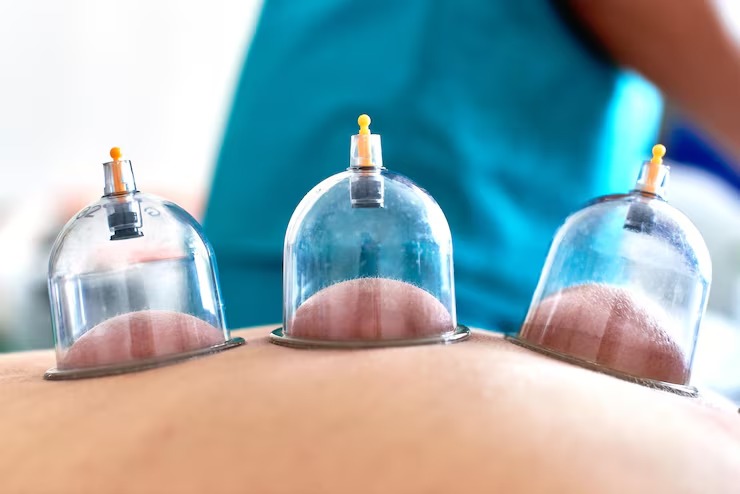
Before and After Cupping Therapy: What Results Can You Expect? Cupping has gained significant popularity in recent years as a complementary wellness and recovery technique. Athletes, fitness enthusiasts, and individuals seeking natural pain relief often turn to this ancient practice to support healing and relaxation. However, one of the most common questions people ask is: What changes can you expect before and after a session? Understanding the physical and mental effects of this treatment can help set realistic expectations and ensure a positive experience. Whether you are considering it for pain management, muscle recovery, stress reduction, or improved circulation, knowing what happens before, during, and after the procedure is essential. Understanding Before and After Cupping Therapy The results of a session can vary depending on the individual’s health condition, lifestyle, treatment goals, and the type of technique used. Some people notice immediate relief, while others experience gradual improvements over multiple sessions. The visible marks left on the skin often lead people to believe that the treatment is painful. In reality, most individuals describe the experience as relaxing and therapeutic. What Is Cupping Therapy? Before discussing the results, it is important to understand what is cupping therapy. This traditional healing technique involves placing specialized cups on the skin to create suction. The suction lifts the skin and underlying tissues, promoting blood flow and encouraging the body’s natural healing response. Several methods are commonly used: ● Dry cupping therapy uses suction only and is the most widely practiced technique. ● Fire cupping therapy creates suction using heat before placing the cup on the skin. ● Moving cupping combines suction with massage-like movements. ● Wet cupping involves minor skin incisions and is performed under specific medical guidelines. Each method is designed to support circulation, muscle recovery, and overall wellness. Before and After Cupping Therapy: What Changes Are Common? Many people notice both immediate and long-term changes after treatment. Before the Session Prior to treatment, individuals may experience: ● Muscle tightness that limits movement and causes discomfort during daily activities. ● Chronic pain that has not responded fully to traditional treatments. ● Physical fatigue resulting from overuse, exercise, or stressful routines. ● Poor circulation leading to stiffness and feelings of heaviness. ● Mental stress that contributes to tension in the neck, shoulders, and back. A qualified practitioner typically evaluates symptoms, medical history, and treatment goals before beginning the session. Immediately After the Session Most people report feeling: ● Increased relaxation throughout the body due to reduced muscle tension. ● Improved mobility that makes everyday movements feel easier and smoother. ● A sensation of warmth caused by increased local blood circulation. ● Reduced stiffness in affected muscles and connective tissues. ● Mental calmness and decreased stress levels after the treatment. Some individuals experience mild soreness similar to the feeling after a deep-tissue massage, which generally resolves within a few days. Visible Skin Changes After Treatment One of the most noticeable effects is the appearance of circular marks on the skin. Why Do Marks Appear? The marks are caused by suction drawing blood toward the surface tissues. They are not bruises caused by injury. Factors that influence the appearance include: ● Treatment intensity and duration used during the session. ● Individual skin sensitivity and circulation patterns. ● The condition being treated and affected body area. ● Frequency of previous treatment sessions. These marks typically fade within several days to two weeks What Different Mark Colors May Indicate Practitioners often observe varying shades after treatment: ● Light pink marks generally suggest mild stagnation and healthy circulation. ● Dark red marks may indicate areas of greater tension or restricted blood flow. ● Purple discoloration can occur in regions with chronic muscle tightness. ● Fading marks often suggest improved circulation over time. The color alone should not be used to diagnose any medical condition. Potential Physical Benefits Many individuals seek treatment because of the various cupping therapy benefits reported by practitioners and patients. Improved Blood Circulation Enhanced circulation is one of the primary goals of treatment. Benefits may include: ● Better delivery of oxygen and nutrients to muscles and soft tissues. ● Improved removal of metabolic waste products from affected areas. ● Faster recovery following physical activity and exercise. ● Reduced feelings of heaviness and muscular fatigue. Reduced Muscle Tension Muscle tightness can affect posture, movement, and overall comfort. Potential improvements include: ● Relief from stubborn knots and trigger points causing discomfort. ● Greater flexibility during physical activities and exercise routines. ● Reduced stiffness in the neck, shoulders, back, and legs. ● Enhanced comfort during everyday movements and activities. Faster Recovery for Active Individuals Many athletes use this technique as part of their recovery strategy. Possible advantages include: ● Supporting muscle recovery after intense training sessions. ● Reducing post-exercise soreness and fatigue. ● Helping maintain flexibility during demanding training schedules. ● Complementing physiotherapy and rehabilitation programs. Mental and Emotional Effects The benefits are not limited to physical recovery. Many people report: ● Improved relaxation and overall well-being. ● Better sleep quality following treatment sessions. ● Reduced stress-related muscle tension. ● Enhanced feelings of mental clarity and focus. ● A greater sense of physical comfort and balance. These effects are often linked to the calming nature of the treatment and the reduction of muscular discomfort. Factors That Influence Results Not everyone experiences the same outcomes. Several factors play a role in determining results: Overall Health Status People with better general health may notice faster recovery and more consistent improvements. Treatment Frequency Multiple sessions are often recommended for chronic conditions. Benefits may accumulate gradually over time rather than appearing after a single appointment. Lifestyle Habits Daily habits can significantly affect outcomes. Examples include: ● Regular exercise supporting muscle health and circulation. ● Proper hydration assisting recovery after treatment. ● Balanced nutrition promoting tissue repair and healing. ● Adequate sleep supporting overall wellness. Are There Any Risks? Although generally considered safe when performed correctly, there are potential cupping therapy side effects that should be understood. Common Temporary Effects These may include:
Cupping Therapy Price Explained: Session Costs, Benefits
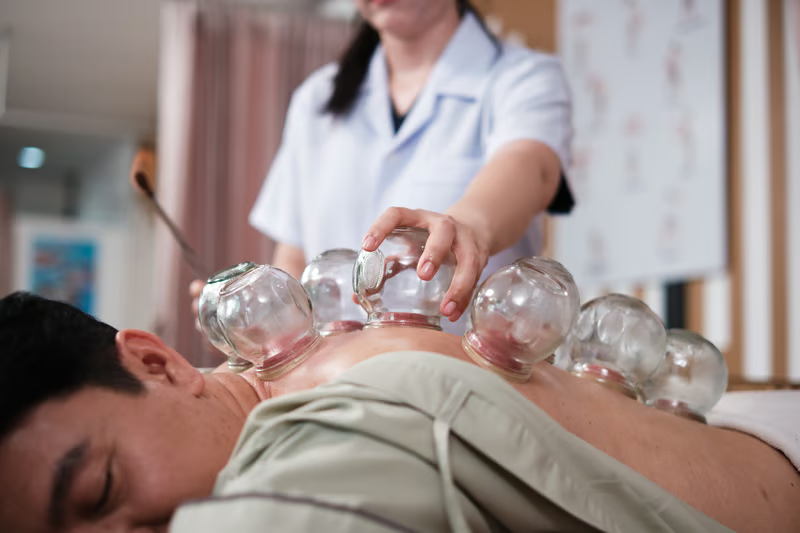
Cupping Therapy Price Explained: Session Costs, Benefits Cupping therapy has gained significant popularity in recent years as more people seek natural and non-invasive methods to manage pain, improve circulation, and support overall wellness. From athletes to individuals dealing with chronic pain, many people are exploring this ancient healing technique. One of the most common questions patients ask before starting treatment is about the cupping therapy price. Understanding the cost, treatment options, benefits, and possible side effects can help you make an informed decision. In this comprehensive guide, we explain everything about cupping therapy price, treatment sessions, expected results, and how therapies offered at Amicare Hospital can support your recovery and wellness goals. What Is Cupping Therapy? Before discussing the cupping therapy price, it is important to understand what is cupping therapy. Cupping therapy is an alternative treatment that uses special cups placed on the skin to create suction. This suction helps improve blood flow, reduce muscle tension, stimulate healing, and promote relaxation. The therapy has been practiced for thousands of years in traditional Chinese, Middle Eastern, and other healing systems. Today, it is commonly integrated into physiotherapy and rehabilitation programs. Types of Cupping Therapy Dry Cup Therapy Dry cup therapy is the most common form of treatment. Cups are placed on the skin to create suction without making any incisions. Benefits of Dry Cup Therapy: ● Improves local blood circulation and tissue oxygen supply. ● Helps relieve muscle tightness and sports-related soreness. ● Supports natural healing of soft tissue injuries. ● Encourages relaxation and stress reduction. ● Often combined with physiotherapy treatments. Wet Cupping Therapy This method involves tiny skin pricks followed by suction to remove a small amount of blood. It should only be performed by trained professionals under proper medical supervision. Understanding Cupping Therapy Price The cupping therapy price varies depending on several factors including location, therapist expertise, clinic facilities, treatment duration, and the number of cups used. Average Cupping Therapy Price in India Treatment Type Average Cost Per Session Basic Dry Cupping ₹500 – ₹1,500 Advanced Dry Cupping ₹1,500 – ₹3,000 Wet Cupping Therapy ₹1,500 – ₹4,000 Sports Recovery Cupping ₹2,000 – ₹5,000 Integrated Physiotherapy + Cupping ₹2,500 – ₹6,000 The final cupping therapy price may differ depending on your treatment plan and medical condition. Factors Affecting Cupping Therapy Price Therapist Experience Experienced practitioners with specialized training may charge higher fees due to their expertise and clinical knowledge. Treatment Duration Longer sessions generally cost more because they require additional time and resources. Number of Sessions Required Some patients benefit from a single session, while others require multiple sessions for optimal results. Clinic Infrastructure Hospitals and advanced physiotherapy centers may offer enhanced safety, hygiene, and integrated treatment approaches. Combined Treatments The cupping therapy price can increase when combined with physiotherapy, laser therapy, cryotherapy, or rehabilitation programs. Cupping Therapy Benefits Many patients choose this treatment because of the numerous cupping therapy benefits associated with improved circulation and muscle recovery. Major Cupping Therapy Benefits ● Enhances blood circulation and tissue nourishment. ● Reduces muscle stiffness and tension naturally. ● Supports recovery after sports injuries. ● May help relieve neck, back, and shoulder pain. ● Promotes relaxation and stress reduction. ● Encourages lymphatic drainage and detoxification. ● Helps improve flexibility and mobility. ● Can complement physiotherapy rehabilitation programs. Research published in various rehabilitation and pain management journals suggests that cupping therapy may provide short-term relief for musculoskeletal pain when used appropriately. Conditions Commonly Treated with Cupping Therapy Cupping therapy is often recommended for: Neck Pain ● Relieves muscle tension around the cervical spine. ● Improves local circulation and movement. Back Pain ● Helps reduce chronic lower back discomfort. ● Supports recovery from muscle strain. Shoulder Pain ● Useful for stiffness and restricted shoulder movement. ● Often combined with physiotherapy exercises. Sports Injuries ● Assists recovery from muscle fatigue and overuse injuries. ● Popular among athletes for performance recovery. Stress and Fatigue ● Encourages relaxation and overall well-being. ● May help improve sleep quality Before and After Cupping Therapy Patients often wonder what to expect before and after cupping therapy. Before Cupping Therapy ● Stay hydrated before treatment. ● Avoid heavy meals immediately before the session. ● Wear comfortable clothing. ● Inform the therapist about any medical conditions. After Cupping Therapy ● Drink plenty of water. ● Avoid strenuous exercise for 24 hours. ● Rest if you feel tired. ● Follow all therapist recommendations. Cupping Therapy Side Effects Although generally considered safe when performed by trained professionals, there can be some cupping therapy side effects. Common Cupping Therapy Side Effects ● Mild skin discoloration. ● Temporary bruising. ● Slight tenderness. ● Mild fatigue after treatment. ● Temporary skin sensitivity. Rare Side Effects ● Skin irritation. ● Burns from improper technique. ● Infection if hygiene standards are not maintained. To minimize risks, always choose qualified healthcare professionals and reputable treatment centers. Breast Cupping Therapy: What Patients Should Know Breast cupping therapy is a specialized technique sometimes promoted for cosmetic purposes and circulation improvement. However, patients should approach breast cupping therapy cautiously and consult qualified healthcare professionals before undergoing treatment. Scientific evidence supporting cosmetic benefits remains limited. Professional medical evaluation is always recommended before considering any specialized cupping procedure. How Many Sessions Are Needed? The number of sessions depends on the condition being treated. Typical Treatment Plans ● Mild muscle tightness: 1–3 sessions. ● Chronic pain conditions: 4–8 sessions. ● Sports recovery programs: As needed. ● Rehabilitation support: Customized treatment plans. Your therapist will recommend the most suitable treatment schedule based on your goals and medical history. Why Choose Professional Cupping Therapy Services? Professional treatment offers: ● Proper assessment before therapy. ● Safe and hygienic procedures. ● Personalized treatment planning. ● Integration with physiotherapy and rehabilitation. ● Better outcomes and reduced complications. At Amicare Hospital, patients benefit from experienced rehabilitation specialists, modern physiotherapy services, and evidence-based treatment approaches designed to improve mobility, reduce pain, and enhance recovery. When Should You Avoid Cupping Therapy? Cupping therapy may not be suitable for everyone. Avoid treatment
Best Exercises After a Proximal Humerus Fracture for Faster Recovery
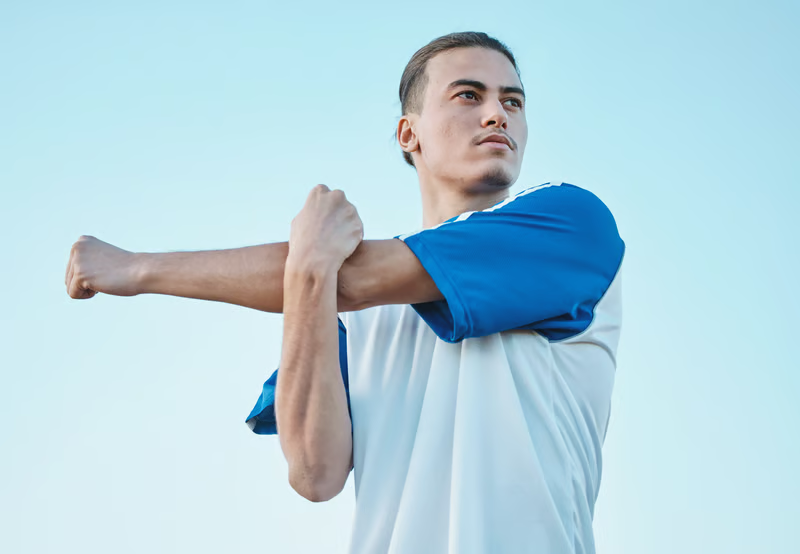
Best Exercises After a Proximal Humerus Fracture for Faster Recovery A proximal humerus fracture is one of the most common shoulder injuries, particularly among older adults and individuals who experience falls, sports injuries, or road accidents. The proximal humerus is the upper part of the arm bone that connects to the shoulder joint. When this area fractures, patients often experience significant pain, swelling, stiffness, and limited arm movement. Recovery from a proximal humerus fracture does not end after the bone heals. Regaining shoulder strength, flexibility, and function requires a structured rehabilitation program that includes medically supervised exercises. Research indicates that early and appropriate physiotherapy can significantly improve shoulder mobility and reduce long-term disability after a fracture. With over 25 years of orthopedic experience and more than 1,500 successful orthopedic and joint surgeries, Dr. Himanshu Gupta emphasizes the importance of personalized rehabilitation programs to help patients achieve the best possible recovery outcomes. In this guide, we discuss the best exercises after a proximal humerus fracture, when to start them, and how they support faster recovery. Understanding a Proximal Humerus Fracture A proximal humerus fracture occurs in the upper segment of the humerus bone near the shoulder joint. It accounts for approximately 5–6% of all fractures and is especially common in elderly individuals with osteoporosis. Common causes include: ● Falls on an outstretched arm● Sports injuries● Road traffic accidents● Direct shoulder trauma● Osteoporosis-related fractures Depending on the severity, proximal humerus fracture treatment may involve sling immobilization, physical therapy, or surgery. Why Rehabilitation Is Important After a Proximal Humerus Fracture Many patients believe that once the bone heals, recovery is complete. However, prolonged immobilization can lead to: ● Shoulder stiffness● Muscle weakness● Reduced range of motion● Chronic pain● Functional limitations Proper exercise therapy helps restore:● Shoulder mobility● Joint flexibility● Muscle strength● Functional independence● Overall quality of life Studies have shown that patients who follow structured rehabilitation programs generally experience better long-term outcomes than those who do not participate in physical therapy When Can You Start Exercises After a Proximal Humerus Fracture? The timing depends on the fracture pattern and treatment method. Early Phase (1–3 Weeks) Gentle movement exercises may begin under medical supervision to prevent stiffness. Intermediate Phase (3–6 Weeks) As healing progresses, active range-of-motion exercises are gradually introduced. Strengthening Phase (6–12 Weeks) Resistance and strengthening exercises are added once sufficient bone healing is confirmed. Always follow your orthopedic surgeon’s recommendations before starting any exercise program. Repeated ankle sprains can weaken the ligaments, resulting in ongoing instability and discomfort. Best Exercises After a Proximal Humerus Fracture Pendulum Exercise for Proximal Humerus Fracture Recovery The pendulum exercise is often one of the first exercises recommended. How to Perform:1. Lean forward slightly.2. Support yourself with the opposite arm.3. Allow the injured arm to hang freely.4. Move the arm gently in small circles. Benefits:● Improves joint mobility● Reduces stiffness● Promotes circulation Assisted Shoulder Flexion for Proximal Humerus Fracture This exercise helps restore shoulder movement safely. Steps:1. Lie on your back.2. Use the healthy arm to assist the injured arm upward.3. Raise the arm slowly within a comfortable range. Benefits:● Improves flexibility● Encourages gradual motion recovery Wall Climbing Exercise for Proximal Humerus Fracture This simple exercise improves shoulder elevation. Steps:1. Stand facing a wall.2. Use your fingers to “walk” up the wall.3. Reach as high as comfortable.4. Slowly lower the arm. Benefits:● Enhances shoulder mobility● Builds confidence in arm movement Shoulder Blade Squeezes for Proximal Humerus Fracture Recovery Scapular strengthening is essential for shoulder stability. Steps:1. Sit or stand upright.2. Squeeze the shoulder blades together.3. Hold for five seconds.4. Repeat several times. Benefits:● Improves posture● Supports shoulder mechanics External Rotation Exercises for Proximal Humerus Fracture These exercises strengthen the rotator cuff muscles. Steps:1. Keep the elbow close to your side.2. Rotate the forearm outward slowly.3. Return to the starting position. Benefits:● Improves shoulder stability● Strengthens supporting muscles Resistance Band Exercises for Proximal Humerus Fracture Once approved by your orthopedic specialist, resistance bands can help rebuild strength. Benefits:● Enhances muscle endurance● Improves shoulder function● Supports return to daily activities Exercises to Avoid After a Proximal Humerus Fracture Not all exercises are safe during recovery. Avoid:● Heavy lifting● Overhead weight training● Sudden jerking movements● Contact sports● Aggressive stretching Performing these activities too early may delay healing or increase the risk of complications. Understanding Different Humerus Fracture Types The humerus can fracture in different locations, each requiring specific treatment strategies. Proximal Humerus Fracture Occurs near the shoulder joint and is often associated with falls. Distal Humerus Fracture A distal humerus fracture occurs near the elbow and may affect joint movement. Supracondylar Humerus Fracture A supracondylar humerus fracture commonly occurs in children following falls. Lateral Condyle Humerus Fracture A lateral condyle humerus fracture affects the outer portion of the elbow region. Intercondylar Fracture Humerus An intercondylar fracture humerus involves the joint surface and often requires surgical treatment. Understanding these humerus fracture types helps patients appreciate why treatment and rehabilitation plans vary. Related Shoulder Fractures That May Require Rehabilitation Greater Tuberosity of Humerus Fracture A greater tuberosity of humerus fracture affects the attachment area of the rotator cuff tendons and may impact shoulder movement. Surgical Neck of Humerus Fracture A surgical neck of humerus fracture is a common fracture location that may require immobilization or surgery depending on displacement. Humerus Bone Fracture Recovery Regardless of the specific humerus bone fracture, rehabilitation remains essential for restoring strength and mobility. The Role of Proximal Humerus Fracture Treatment in Recovery Effective proximal humerus fracture treatment involves more than bone healing. Comprehensive care includes:● Accurate diagnosis● Pain management● Fracture stabilization● Surgical intervention when necessary● Physiotherapy● Long-term follow-up Patients who actively participate in rehabilitation often achieve superior outcomes. Why Choose Dr. Himanshu Gupta for Fracture Care? With over 25 years of orthopedic expertise, Dr. Himanshu Gupta has successfully managed complex fracture cases, shoulder injuries, and joint disorders. Key highlights include: ● 25+ years of orthopedic experience● 1,500+ successful surgeries● Expertise in fracture management● Advanced rehabilitation guidance● Patient-centered treatment approach His focus on evidence-based treatment and personalized
Chronic Ankle Pain Treatment: Expert Solutions for Long-Term Relief
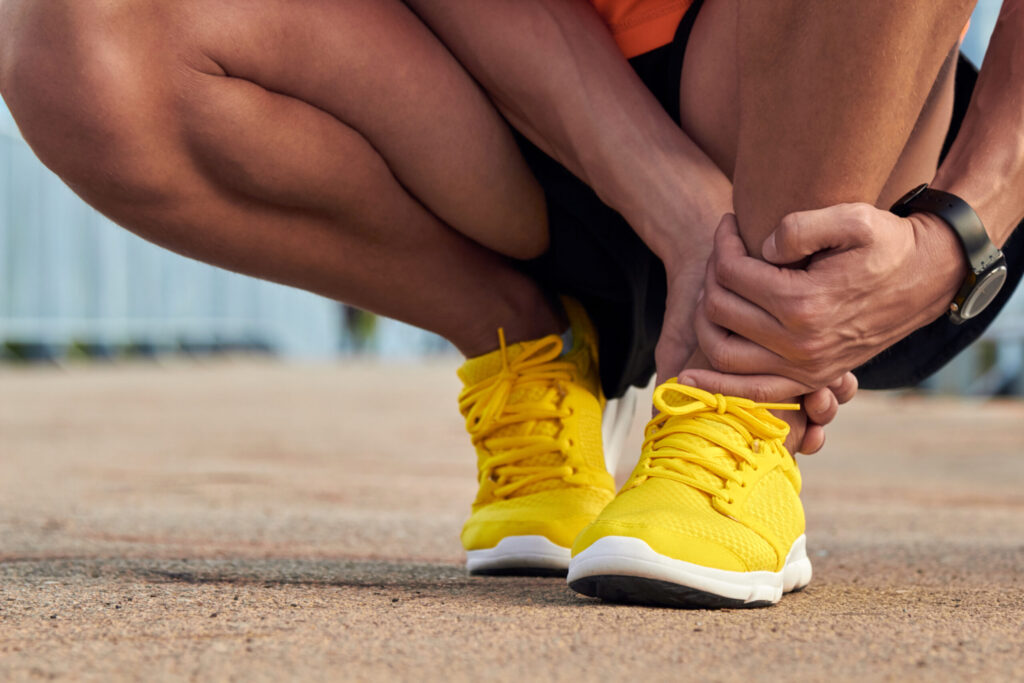
Chronic Ankle Pain Treatment: Expert Solutions for Long-Term Relief Ankle pain is a common problem that can affect people of all ages. While minor injuries often heal within a few weeks, chronic ankle pain can persist for months or even years, significantly impacting mobility and quality of life. Whether the discomfort is caused by an old injury, arthritis, tendon problems, or joint instability, timely and appropriate ankle pain treatment is essential to prevent long-term complications. According to orthopedic studies, ankle injuries account for a significant percentage of musculoskeletal complaints worldwide. Research suggests that up to 40% of ankle sprains may develop chronic symptoms if not treated properly. This highlights the importance of early diagnosis and expert care. With over 25 years of orthopedic experience, Dr. Himanshu Gupta specializes in diagnosing and treating complex joint conditions, helping patients achieve lasting relief from chronic ankle problems through evidence-based treatment approaches. Understanding Chronic Ankle Pain Chronic ankle pain refers to discomfort that lasts for more than three months. The pain may be constant or intermittent and can worsen during physical activity. Common symptoms include: ● Persistent ankle joint pain● Stiffness and reduced mobility● Difficulty standing for long periods● Ankle pain and swelling● Instability or repeated ankle sprains● Foot ankle pain during daily activities● Ankle pain when walking Many patients initially ignore mild symptoms, but untreated chronic pain can lead to worsening joint damage over time. What Are the Common Ankle Pain Causes? Understanding the underlying ankle pain causes is the first step toward effective treatment. Previous Ankle Injuries An untreated or poorly healed ankle sprain is one of the most common reasons for chronic ankle pain. Osteoarthritis Wear and tear of the ankle joint cartilage can cause pain, swelling, and stiffness, especially in older adults. Rheumatoid Arthritis This autoimmune condition can affect the ankle joints and lead to chronic inflammation. Tendonitis Inflammation of the tendons surrounding the ankle may develop due to overuse or repetitive strain. Ankle Instability Repeated ankle sprains can weaken the ligaments, resulting in ongoing instability and discomfort. Stress Fractures Small cracks in the bones may cause persistent pain, especially among athletes and active individuals. Identifying the Ankle Pain Reason Through Proper Diagnosis Finding the exact ankle pain reason requires a detailed evaluation by an orthopedic specialist. The diagnostic process may include: ● Comprehensive physical examination● Review of medical history● Digital X-rays● MRI scans● CT scans when necessary● Gait and movement assessment Accurate diagnosis helps determine the most effective treatment plan and prevents unnecessary interventions. Symptoms That Indicate You Need Professional Ankle Pain Treatment You should consult an orthopedic specialist if you experience: ● Persistent ankle pain lasting more than a few weeks● Ankle pain while walking● Recurring ankle sprains● Significant ankle pain and swelling● Difficulty climbing stairs● Reduced ankle mobility● Pain during sports or exercise Ignoring these symptoms can lead to progressive joint damage and chronic disability. Modern Ankle Pain Treatment Options The right ankle pain treatment depends on the underlying cause, severity of symptoms, and patient lifestyle. Activity Modification Reducing activities that aggravate symptoms can help decrease inflammation and promote healing. Medication Management Anti-inflammatory medications may help control pain and swelling under medical supervision. Physiotherapy and Rehabilitation Physical therapy plays a crucial role in restoring strength, flexibility, and balance. Benefits include:● Improved joint mobility● Enhanced muscle strength● Reduced pain● Better ankle stability● Lower risk of re-injury Orthotic Support Custom shoe inserts and supportive footwear can improve alignment and reduce pressure on the ankle joint. Advanced Injection Therapies In selected cases, advanced injection treatments may help reduce inflammation and improve function. Surgical Intervention When conservative treatments fail, surgery may be considered to repair damaged ligaments, tendons, or joint structures. Best Ankle Pain Exercises for Recovery ACL injuries are among the most common sports injuries Ankle Circles Slow circular movements help maintain joint mobility. Calf Stretching Stretching the calf muscles reduces tension around the ankle. Heel Raises This exercise strengthens the calf muscles and supports ankle function. Resistance Band Exercises Resistance training improves ankle strength and stability. Balance Training Single-leg balance exercises enhance coordination and reduce injury risk. Always perform exercises under professional guidance if chronic pain is present. Can an Ankle Belt for Pain Help? Many patients ask whether an ankle belt for pain is beneficial. An ankle brace or support belt may help by:● Providing external stability● Reducing excessive movement● Supporting injured ligaments● Improving confidence during walking However, an ankle belt should not replace proper diagnosis and treatment. Long-term dependence without addressing the root cause may delay recovery Why Does Ankle Pain When Walking Occur? Experiencing ankle pain when walking often indicates an underlying structural or inflammatory issue. Possible causes include:● Ligament injuries● Tendonitis● Arthritis● Joint instability● Cartilage damage● Stress fractures Pain that consistently occurs during walking should be evaluated by an orthopedic specialist. Managing Ankle Pain While Walking If you experience ankle pain while walking, the following strategies may help: ● Wear supportive footwear● Avoid uneven surfaces● Follow prescribed physiotherapy exercises● Maintain a healthy body weight● Use braces when recommended● Seek timely medical consultation Early intervention often prevents the progression of chronic conditions. Expert Care by Dr. Himanshu Gupta With over 25 years of experience in orthopedic care, Dr. Himanshu Gupta has successfully treated thousands of patients suffering from joint pain, sports injuries, arthritis, and chronic musculoskeletal conditions. His patient-centered approach focuses on: ● Accurate diagnosis● Evidence-based treatment● Advanced orthopedic techniques● Personalized rehabilitation programs● Long-term recovery and prevention Patients with chronic ankle conditions benefit from comprehensive evaluation and customized treatment plans designed to restore mobility and improve quality of life. Preventing Chronic Ankle Problems Prevention strategies include: ● Regular strengthening exercises● Maintaining healthy body weight● Wearing supportive footwear● Proper warm-up before sports● Prompt treatment of ankle injuries● Following rehabilitation programs completely Preventive care can significantly reduce the risk of chronic ankle pain and recurring injuries. FAQs What is the most effective ankle pain treatment? The best treatment depends on the underlying cause and may include physiotherapy, medication, braces, lifestyle changes, or surgery. What are the most
How to Test for Knee Ligament Injury at Home: Signs & Symptoms
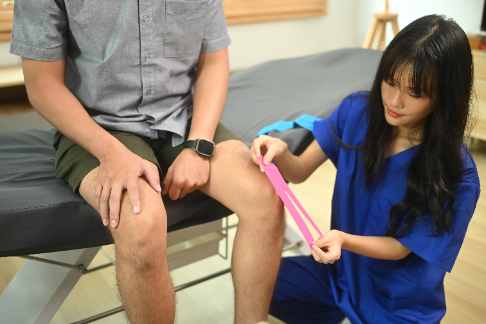
How to Test for Knee Ligament Injury at Home: Signs & Symptoms Knee injuries are common among athletes, gym-goers, working professionals, and older adults. Many people experience sudden knee pain after twisting the leg, falling, or playing sports and immediately wonder how serious the injury is. One of the most searched questions online is “how to test for knee ligament injury” at home before visiting a doctor. The knee contains strong connective tissues called knee ligaments that stabilize the joint and support movement. When these ligaments become stretched or torn, the knee may become painful, swollen, or unstable. Understanding the early signs of a knee ligament injury can help you seek timely treatment and avoid long-term complications. This guide explains simple ways to identify possible ligament damage, common symptoms, home tests, treatment options, recovery, and when to consult an orthopedic specialist like Dr. Himanshu Gupta. How to Test for Knee Ligament Injury? Many people search online for how to test for knee ligament injury after experiencing sudden knee pain, swelling, or instability. Knee ligament injuries happen when the strong tissues supporting the knee joint become stretched, partially torn, or completely damaged due to twisting, sports injuries, falls, or accidents. The knee contains four major ligaments: ● Anterior Cruciate Ligament (ACL) ● Posterior Cruciate Ligament (PCL) ● Medial Collateral Ligament (MCL) ● Lateral Collateral Ligament (LCL) These ligaments help maintain knee stability and support smooth movement during walking, running, jumping, and turning. To understand how to test for knee ligament injury, people often check for symptoms like swelling, difficulty walking, knee instability, stiffness, and pain during movement. Common Causes of Knee Ligament Injury Understanding the causes helps identify whether your symptoms may indicate ligament damage. Sports Injuries Football, cricket, basketball, badminton, and running can put stress on the knee ligaments. Sudden Twisting Movements Twisting the knee while the foot remains planted can damage ligaments Road Accidents Accidents may lead to severe ligament injuries due to direct impact. Falls and Slips Falling awkwardly can overstretch or tear the ligaments. Improper Landing After Jumping Landing incorrectly increases pressure on the knee joint. How to Test for Knee Ligament Injury at Home? Many people search for how to test for knee ligament injury because they want to know whether their knee pain is serious. While home tests cannot replace professional diagnosis, some signs and simple checks may indicate ligament damage. Common Signs of Knee Ligament Injury Before performing any test, look for these symptoms: ● Sudden knee pain ● Swelling around the knee ● Difficulty walking ● Knee instability ● Popping sound during injury ● Stiffness ● Limited range of motion ● Pain while climbing stairs ● Feeling that the knee may “give way” These are common knee ligament tear symptoms and may indicate damage to the ACL, PCL, MCL, or LCL. Home Tests for Knee Ligament Injury 1. Walking Test Question: Can you walk normally after the injury? Answer: If walking feels unstable or painful, there may be a ligament injury. Difficulty bearing weight often indicates moderate or severe damage. 2. Swelling Check Question: Did swelling appear within a few hours after injury? Answer: Rapid swelling usually suggests ligament damage or bleeding inside the knee joint. Swelling after sports injuries is commonly associated with ACL injuries. 3. Knee Stability Test Question: Does your knee feel loose or unstable? Answer: If the knee feels like it may buckle or give way while walking, it may indicate torn knee ligaments. Instability is one of the most important signs of ligament injury. 4. Range of Motion Test Question: Can you fully bend and straighten your knee? Answer: Pain or stiffness during movement may indicate inflammation or ligament damage. Severe injuries can limit movement significantly. 5. Pain Location Test Question: Where is the pain located? Answer: ● Inner knee pain may suggest MCL injury ● Outer knee pain may indicate LCL injury ● Deep central pain may be related to ACL or PCL injury Pain location can help identify which ligament is affected. How to Identify ACL Injury at Home? ACL injuries are among the most common sports injuries Signs of ACL Tear ● Loud popping sound during injury ● Immediate swelling ● Severe instability ● Difficulty walking ● Pain during turning movements People with ACL tears often report that their knee suddenly “gave out.” How to Identify MCL Injury at Home? The MCL ligament is located on the inner side of the knee. Signs of MCL Injury ● Pain on the inside of the knee ● Swelling ● Tenderness ● Instability during side movements MCL injuries commonly occur during contact sports How to Identify PCL Injury at Home? PCL injuries are usually caused by dashboard injuries or direct blows. Signs of PCL Injury ● Pain at the back of the knee ● Swelling ● Difficulty walking downstairs ● Knee weakness PCL injuries may feel less unstable compared to ACL tears. When Should You Avoid Home Testing? Home testing should be avoided if: ● The pain is severe ● You cannot walk ● The knee is heavily swollen ● There is deformity ● The knee locks completely In such cases, immediate medical evaluation is necessary. How Do Doctors Confirm Knee Ligament Injury? Professional diagnosis is important because home tests cannot confirm the severity of injury. Physical Examination Orthopedic doctors check stability, movement, swelling, and pain. MRI Scan X-rays help rule out fractures or bone damage. Dr. Himanshu Gupta uses advanced orthopedic evaluation methods to diagnose and treat ligament injuries accurately. Knee Ligament Injury Treatment Options Treatment depends on the severity of the injury. Non-Surgical Treatment Mild injuries may heal with: ● Rest ● Ice therapy ● Compression ● Elevation ● Physiotherapy ● Pain medications Physiotherapy helps strengthen muscles and improve knee stability When is Knee Ligament Surgery Needed? Knee ligament surgery may be recommended if: ● The ligament is completely torn ● The knee remains unstable ● Conservative treatment fails ● The patient wants to return to sports ACL reconstruction is one of the most common
Knee Ligament Injury Treatment: Symptoms, Surgery & Rehabilitation
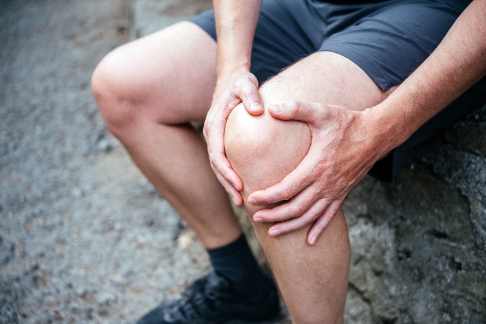
Knee Ligament Injury Treatment: Symptoms, Surgery & Rehabilitation Knee injuries are among the most common orthopedic problems affecting athletes, working professionals, and older adults. The knee joint supports body weight and plays a crucial role in movement, balance, and stability. When the ligaments of the knee joint become damaged, it can lead to pain, swelling, instability, and difficulty walking. Understanding the right knee ligament injury treatment is important for faster recovery and preventing long-term complications. Treatment options may include medications, physiotherapy, rehabilitation exercises, or advanced knee ligament surgery, depending on the severity of the injury. This guide explains the symptoms, causes, treatment options, surgery, risks, and rehabilitation process for knee ligament injuries in simple and informative language. What is a Knee Ligament Injury? A knee ligament injury occurs when one or more ligaments in the knee joint become stretched, partially torn, or completely torn. The knee contains strong connective tissues called knee ligaments that stabilize the joint and control movement. The four major ligaments of the knee joint are: ● Anterior Cruciate Ligament (ACL) ● Posterior Cruciate Ligament (PCL) ● Medial Collateral Ligament (MCL) ● Lateral Collateral Ligament (LCL) These knee joint ligaments work together to maintain balance and proper knee movement. Sports injuries, accidents, sudden twisting, or falls can damage these ligaments. Common Causes of Knee Ligament Injury Several activities and accidents may lead to ligament damage in the knee. Sports Injuries Sports like football, basketball, cricket, badminton, and kabaddi involve sudden turns and jumps that increase the risk of a knee ligament tear. Sudden Twisting of the Knee A sudden twisting motion while the foot remains planted can overstretch the ligaments Road Accidents High-impact trauma during accidents may damage multiple ligaments of the knee joint. Falls and Direct Impact Falls on the knee or direct blows can injure the ligaments and surrounding tissues Weak Muscles or Poor Conditioning Weak thigh muscles and improper warm-up increase stress on knee ligaments. Knee Ligament Tear Symptoms Recognizing early knee ligament tear symptoms helps in timely diagnosis and treatment. Common symptoms include: ● Sudden knee pain ● Swelling around the joint ● Popping sound at the time of injury ● Difficulty walking ● Knee instability ● Limited range of motion ● Stiffness in the knee ● Difficulty climbing stairs ● Feeling that the knee may “give way” Some people may experience severe pain immediately, while others notice instability after a few days. Types of Knee Ligament Injuries ACL Injury ACL injuries are common in athletes and occur during sudden stops or direction changes. PCL Injury PCL injuries usually occur after dashboard injuries in accidents or direct impact on the knee. MCL Injury MCL injuries affect the inner side of the knee and commonly happen during contact sports. LCL Injury LCL injuries affect the outer side of the knee and are less common but can cause instability. Diagnosis of Knee Ligament Injury Doctors diagnose knee ligament injuries using physical examination and imaging tests. Physical Examination The orthopedic specialist checks knee stability, swelling, pain, and movement MRI Scan MRI is the most effective test to identify ligament tears and soft tissue injuries X-Ray X-rays help rule out fractures or bone injuries. Early diagnosis is crucial for successful treatment of knee ligament injuries and expedited rehabilitation. Knee Ligament Injury Treatment Options The treatment depends on the type and severity of injury Non-Surgical Knee Ligament Injury Treatment Mild to moderate injuries can often heal without surgery. Rest and Activity Modification Avoid activities that put pressure on the knee Ice Therapy Ice packs help reduce swelling and pain. Compression and Elevation Compression bandages and elevation help control inflammation Physiotherapy Physiotherapy strengthens muscles and improves knee stability. Pain Medications Doctors may prescribe anti-inflammatory medications for pain relief. Non-surgical treatment is effective for minor ligament injuries and partial tears When is Knee Ligament Surgery Needed? Knee ligament surgery may be recommended when: ● The ligament is completely torn ● The knee feels unstable ● Conservative treatment fails ● The patient wants to return to sports ● Multiple ligaments are injured ACL reconstruction is one of the most common ligament surgeries Knee Ligament Surgery Procedure Arthroscopic Surgery Modern knee ligament surgery is usually performed arthroscopically using small incisions and a camera. Ligament Reconstruction The torn ligament is replaced with a graft taken from the patient’s own tendon or donor tissue. Minimally Invasive Technique Arthroscopic procedures reduce pain, blood loss, and recovery time. Most patients can return home within one or two days after surgery. Benefits of Knee Ligament Injury Treatment Proper treatment provides several long-term benefits. Improved Stability Treatment restores knee stability and prevents repeated injuries. Pain Relief It reduces chronic knee pain and swelling. Better Mobility Patients regain flexibility and normal walking ability Return to Sports Athletes can safely return to sports after rehabilitation. Prevention of Arthritis Early treatment may reduce the risk of future joint degeneration. Risks of Knee Ligament Surgery Like any surgical procedure, ligament surgery has some risks. Possible complications include: ● Infection ● Blood clots ● Stiffness ● Swelling ● Persistent pain ● Re-injury ● Delayed healing However, complications are less common when surgery is performed by experienced orthopedic specialists. Rehabilitation After Knee Ligament Surgery Rehabilitation is one of the most important parts of knee ligament injury treatment. Early Recovery Phase The initial weeks focus on reducing swelling and restoring movement. Strengthening Exercises Physiotherapy helps strengthen quadriceps and hamstring muscles. Balance Training Balance and coordination exercises improve knee function. Return to Activity Patients gradually resume sports and physical activities under medical guidance. Proper rehabilitation significantly improves recovery outcomes. Knee Ligament Injury Recovery Period The knee ligament injury recovery period depends on the severity of injury and treatment method. ● Mild injuries: 2–6 weeks ● Moderate injuries: 6–12 weeks ● Post-surgery recovery: 6–9 months Athletes may require longer rehabilitation before returning to competitive sports How to Prevent Knee Ligament Injuries Preventive measures help reduce the risk of ligament damage Warm-Up Before Exercise Always perform stretching and warm-up exercises. Strength Training Strong muscles support the knee joint.
Saddle Joint: Structure, Function & Common Problems
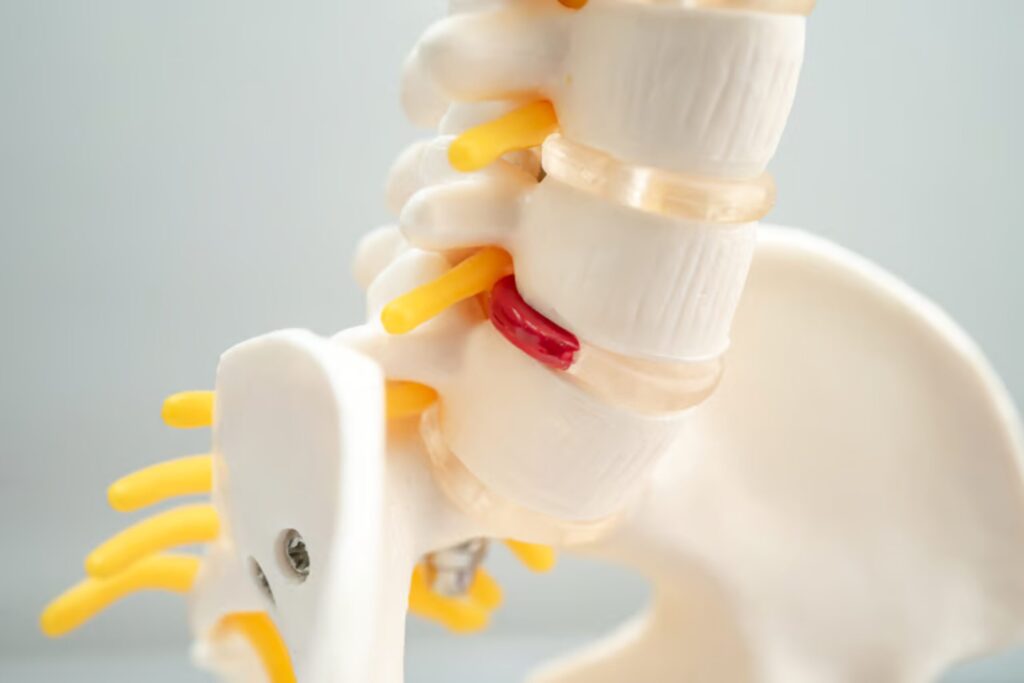
Saddle Joint: Structure, Function & Common Problems Understanding the saddle joint is important for learning how the human body performs flexible and controlled movements. At Sports Injury Xpert, experts like Dr. Himanshu Gupta focus on educating patients about different joint structures, injuries, and treatment options, including the Best tennis elbow & golfer elbow treatment in Delhi NCR for patients suffering from sports injuries and repetitive strain conditions. A saddle joint plays a major role in movement, grip strength, and flexibility, especially in the thumb region. Injuries or disorders affecting this joint can reduce mobility and impact daily activities. The human body contains different types of joints, and the saddle joint is one of the most unique because it allows movement in multiple directions while maintaining stability. This article explains the structure, function, location, movements, common disorders, diagnosis, and treatment methods related to the saddle joint in easy-to-understand language. What Is a Saddle Joint? A saddle joint is a type of synovial joint where two bones fit together like a rider sitting on a saddle. The surfaces of the bones are curved in opposite directions, which allows flexible movement. Many people search for what a saddle joint is because it is commonly discussed in anatomy, orthopedics, and physiotherapy. This joint allows movement forward, backward, side-to-side, and rotational movements with better control. The most common example of a saddle joint is the thumb joint. Saddle Joint Structure The structure of a saddle joint is different from other joints because both bone surfaces are concave and convex. This special shape improves mobility while maintaining stability. Bones Involved in Saddle Joint The classic saddle joint is located between: ● Trapezium bone ● First metacarpal bone Many anatomy students search for saddle joint is present between these bones because it is a common exam-related topic. This structure allows the thumb to move freely and perform gripping actions. Saddle Joint Diagram and Anatomy A saddle joint diagram usually shows the meeting point of two saddle-shaped bones. The diagram helps explain how movement occurs in different directions. Key anatomical components include: ● Articular cartilage ● Synovial membrane ● Joint capsule ● Ligaments ● Tendons These structures work together to provide stability and smooth movement. Location of Saddle Joint The primary location of saddle joint in the human body is at the base of the thumb. This joint is called the: ● Carpometacarpal joint of the thumb The thumb saddle joint allows humans to perform fine motor skills such as: ● Writing ● Holding objects ● Typing ● Gripping tools ● Opening bottles Without the saddle joint, thumb flexibility would be limited. Saddle Joint Movement One major feature of the saddle joint movement is multidirectional mobility. This joint allows movements such as: Flexion Movement of the thumb across the palm. Extension Movement of the thumb away from the palm. Abduction Movement away from the hand Adduction Movement toward the hand. Opposition The thumb touches the fingertips, helping with gripping and pinching. This movement is one of the reasons humans have excellent hand function compared to many animals. Functions of Saddle Joint The saddle joint plays an important role in hand coordination and daily activities. Improves Grip Strength The thumb can hold objects firmly due to saddle joint flexibility. Supports Fine Motor Skills Activities such as writing and buttoning clothes become possible. Enhances Hand Coordination tion The joint helps perform complex hand movements. Provides Controlled Mobility The joint balances movement with stability. Common Saddle Joint Problems Several conditions can affect the saddle joint, especially with aging, repetitive movements, or injuries. Osteoarthritis This is the most common problem affecting the thumb saddle joint. Cartilage wears down, causing: ● Pain ● Swelling ● Stiffness ● Weak grip Joint Inflammation Inflammation may occur because of overuse or autoimmune conditions. Ligament Injury Sudden trauma may damage the supporting ligaments. Thumb Instability Weakness in the supporting structures may cause instability. Repetitive Stress Injury Continuous hand movements can strain the joint. Symptoms of Saddle Joint Disorders People with a saddle joint problem may experience: ● Thumb pain ● Weak grip ● Joint stiffness ● Swelling ● Difficulty holding objects ● Reduced thumb movement ● Clicking sensation ● Pain during writing Symptoms may gradually worsen without treatment. Risk Factors for Saddle Joint Pain Several factors increase the risk of saddle joint disorders: ● Aging ● Arthritis ● Sports injuries ● Repetitive hand movements ● Previous trauma ● Obesity ● Joint overuse ● Weak muscles Individuals performing repetitive hand activities are at higher risk. Diagnosis of Saddle Joint Problems Doctors diagnose saddle joint disorders through physical examination and imaging tests. Physical Examination Doctors assess: ● Thumb movement ● Swelling ● Pain ● Grip strength X-Ray X-rays help identify arthritis and bone changes. MRI Scan MRI helps evaluate ligaments and soft tissues. CT Scan Used in severe or complex injuries. Orthopedic experts like Dr. Himanshu Gupta may recommend detailed evaluations for accurate diagnosis. Treatment Options for Saddle Joint Problems Treatment depends on the severity of symptoms and the underlying cause. Rest and Activity Modification Reducing repetitive hand movements can relieve pain. Medications Anti-inflammatory medicines help reduce pain and swelling. Physiotherapy Exercises improve strength and flexibility. Thumb Splints Supportive splints stabilize the joint. Injection Therapy Steroid injections may reduce inflammation temporarily. Surgery Severe arthritis or instability may require surgical treatment. Exercises for Saddle Joint Strength Certain exercises improve joint mobility and hand function. Thumb Stretch Improves flexibility. Grip Strength Exercise Strengthens hand muscles. Thumb Opposition Exercise Improves thumb coordination. Finger Stretching Reduces stiffness and improves mobility. Exercises should be performed under professional guidance if pain persists. Difference Between Saddle Joint and Other Joints The saddle joint differs from hinge joints and ball-and-socket joints. Joint Type Example Movement Saddle Joint Thumb Multi-directional Hinge Joint Elbow Forward and backward Ball-and-Socket Joint Shoulder Circular movement Each joint type has a specialized function. Connection Between Joint Pain and Orthopedic Treatment People searching for knee joint pain treatment or leg joint pain treatment often overlook the importance of joint mechanics throughout the body.
Knee Bend Exercise at Home: Easy Steps for Beginners
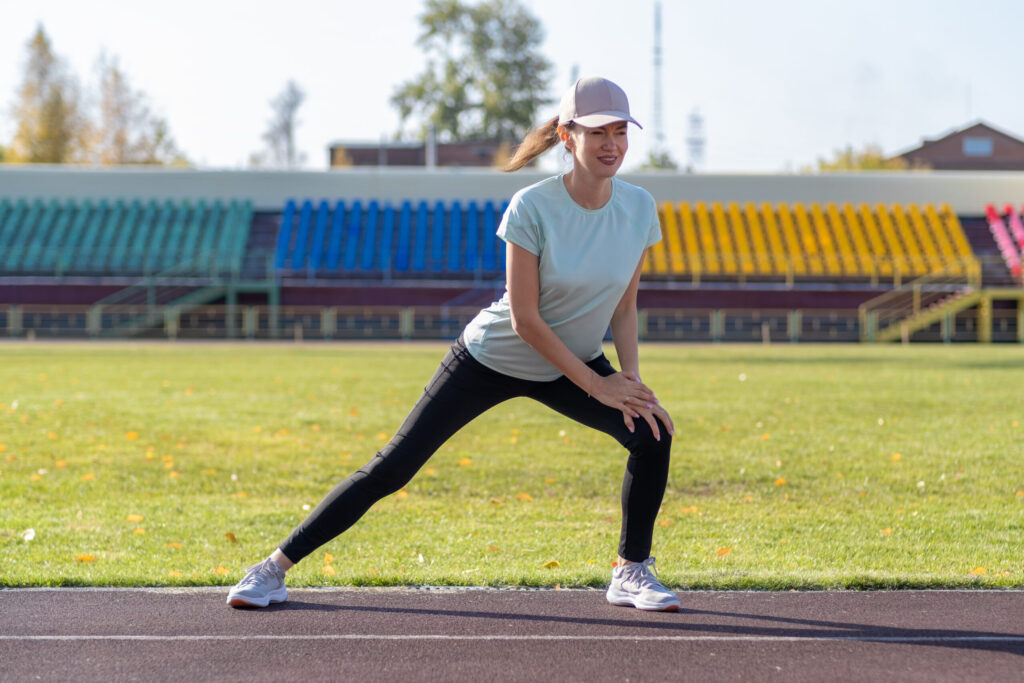
Knee Bend Exercise at Home: Easy Steps for Beginners A Knee Bend Exercise is one of the simplest and most effective ways to improve knee flexibility, mobility, and muscle strength at home. Whether you are recovering from an injury, dealing with stiffness, or trying to stay active, adding a regular exercise routine can support better joint health and movement. People who continue to experience discomfort or limited mobility may also consider professional Ghaziabad-based care options for advanced evaluation and rehabilitation. Many individuals experience knee pain when bending due to weak muscles, poor posture, arthritis, sports injuries, or prolonged sitting. In such situations, gentle exercises can help reduce discomfort and improve flexibility. However, if symptoms become severe or persistent, consulting a specialist for Knee Treatment in Ghaziabad can help identify the exact cause and provide personalised care. Proper diagnosis and early management are important to prevent long-term joint complications. This guide explains beginner-friendly exercises, their benefits, correct techniques, safety tips, and common mistakes to avoid. If you experience knee pain while bending, stiffness, or reduced mobility, combining home exercises with expert Knee Treatment in Ghaziabad may help improve overall knee function and support faster recovery naturally. What Is a Knee Bend Exercise? A knee bend exercise is a movement that helps improve the bending ability of the knee joint. These exercises focus on strengthening the muscles around the knee, including the quadriceps, hamstrings, calves, and hip muscles. The exercise can be done while standing, sitting, or lying down. Doctors and physiotherapists often recommend knee bend exercise routines after knee surgery, sports injuries, arthritis, or prolonged inactivity. Simple knee bends also improve blood circulation and reduce joint stiffness. For beginners, slow and controlled movements are important to avoid strain on the ligaments and cartilage. Benefits of Knee Bend Exercise Practicing a regular knee bend exercise routine provides multiple health benefits. Improves Knee Flexibility These exercises increase the range of motion in the knee joint and reduce stiffness. Strengthens Leg Muscles A knee bend exercise targets important muscle groups that support the knee and improve stability. Reduces Joint Stiffness People who experience a knee bending problem often notice improved mobility after regular exercise. Helps Manage Knee Pain Gentle exercises can help reduce knee pain while bending by improving joint support and muscle strength. Supports Recovery After Injury Doctors may recommend knee exercises after ligament injuries, arthritis treatment, or surgery rehabilitation. Common Causes of Knee Pain While Bending Many people experience discomfort while trying to bend your knees during walking, climbing stairs, or exercising. Some common causes include: ● Arthritis● Meniscus injury● Ligament strain● Muscle weakness● Obesity● Poor posture● Overuse injuries● Tendon inflammation Some individuals also hear a sound when bending knee joints. Mild clicking sounds are usually harmless, but pain with sounds may require medical evaluation. Knee Bend Exercise for Beginners at Home These beginner-friendly exercises are simple and safe to perform at home. Seated Knee Bend Exercise Steps:1. Sit on a chair comfortably.2. Slowly bend one knee backwards.3. Hold for 5 seconds.4. Return to the starting position.5. Repeat 10 times.This exercise improves flexibility and reduces stiffness. Wall Supported Knee Bends Steps:1. Stand against a wall.2. Slowly slide down into a partial squat.3. Hold for a few seconds.4. Return slowly.This knee bend exercise strengthens the quadriceps and improves knee stability. Heel Slide Exercise Steps:1. Lie flat on your back.2. Slide your heel toward your hips.3. Bend the knee gently.4. Hold briefly and return.This exercise is useful for people with a tight feeling in their knees when bending sensation. Standing Hamstring Curl Steps:1. Stand straight while holding a chair.2. Slowly bend one knee backwards.3. Bring your heel toward your buttocks.4. Lower slowly.This exercise supports balance and muscle strength. Knee Bend Test and Why It Matters Physiotherapists commonly use the prone knee bend test to check flexibility, nerve irritation, and muscle tightness. During this test, the patient lies on their stomach while the knee is carefully bent. Pain or stiffness during the prone knee bend test may indicate nerve tension or muscle tightness around the thigh and knee area. It is mainly used for diagnosis rather than exercise. Safety Tips While Doing Knee Bend Exercise Physiotherapists commonly use the prone knee bend test to check flexibility, nerve irritation, and muscle tightness. During this test, the patient lies on their stomach while the knee is carefully bent. Pain or stiffness during the prone knee bend test may indicate nerve tension or muscle tightness around the thigh and knee area. It is mainly used for diagnosis rather than exercise. Warm Up Before Exercise Always perform light stretching or walking before starting. Avoid Sudden Movements Fast movements may increase stress on the knee joints. Maintain Proper Posture Incorrect posture can worsen knee strain. Stop if You Feel Sharp Pain Mild stretching discomfort is normal, but severe pain is not. Wear Supportive Footwear Good shoes help reduce pressure on the knees. When to Stop Knee Bend Exercise ou should stop exercising and consult a doctor if you experience: ● Severe swelling● Locking of the knee● Sharp pain● Inability to walk● Persistent pain in back of knee when bending● Sudden instability Ignoring these symptoms may worsen joint damage. Common Mistakes During Knee Bend Exercise Many beginners make errors while performing exercises. Bending Too Deep Deep squats can increase pressure on the knee joints. Poor Alignment The knees should remain aligned with the toes. Skipping Warm-Up Cold muscles are more prone to injury. Exercising Through Pain Never force movements if you experience severe discomfort. How Often Should You Do Knee Bend Exercise? For beginners, a knee bend exercise routine can be performed: ● 3–5 days per week● 10–15 repetitions● 2–3 sets Consistency is more important than intensity. Gradual progression helps strengthen the knees safely. Can Knee Bend Exercise Help Knee Tightness? Yes, regular exercise can help if your knee feels tight when bending. Tightness often occurs because of weak muscles, inflammation, or prolonged inactivity. Stretching and strengthening exercises improve blood flow and flexibility, reducing stiffness over time. Diet and


