
A knee ligament injury may lead to problems while jogging, turning, jumping, and even while climbing stairs. At Amicare Sports Injury & Robotics Centre, we diagnose and treat all four major knee ligament injuries (ACL, PCL, MCL and LCL) among football players, cricketers, joggers and sports persons in Ghaziabad.
The philosophy of treatment of knee ligament injury at our centre is spearheaded by Dr. Himanshu Gupta, an orthopaedic surgeon with more than 20 years of experience and more than 15,000 orthopaedic surgeries. We have treated more than 2,000 athletes, including more than 500 champions. We customize the treatment plan according to your injury and your sport. Surgery is recommended if it is really needed.
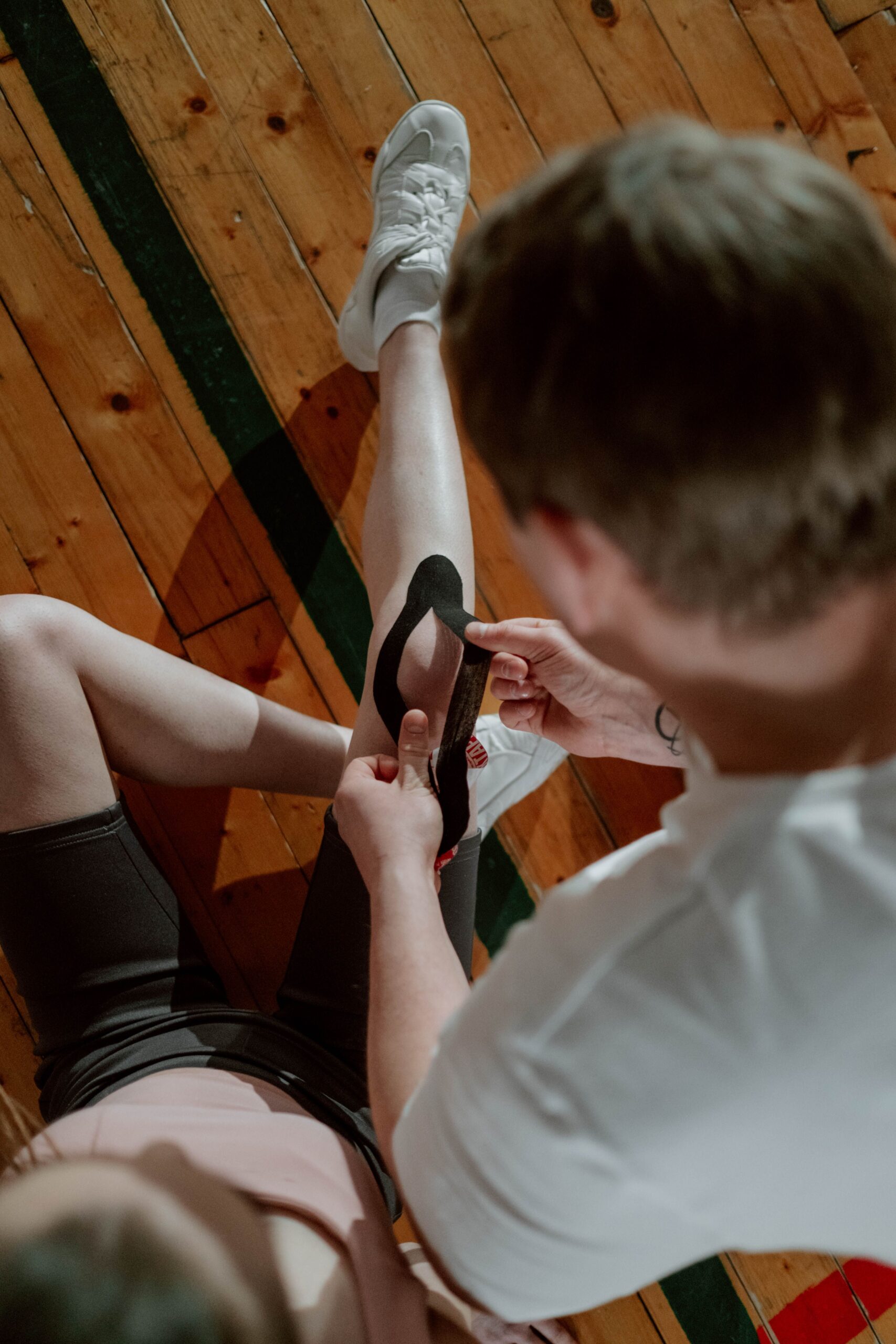
Ligaments are strong bands of tissue that connect the thigh bone to the shin bone and keep the knee steady when you turn, land or change direction. A knee ligament injury means one or more of these bands has been stretched (sprain), partly torn or completely torn. More than one ligament can be injured at the same time.
Whether you can recover with rehabilitation or need surgery depends on which ligament is involved and how severe the damage is. You can read more about the healing process in our guide to knee ligament injuries treatment.

Sits inside the knee and controls forward movement and rotation of the shin bone. Usually injured by a sudden stop, a pivot or an awkward landing in sports such as football, basketball and cricket. A complete tear in an active person often leads to a discussion about ACL reconstruction.

Prevents posterior displacement of the tibia. Resulting from trauma such as an impact to the anterior aspect of a flexed knee due to a traffic collision or a contact sport injury. An isolated tear can be treated nonsurgically, but the PCL tear is commonly associated with other ligament tears.

Runs along the inner side of the knee. Injured by a blow to the outer side of the knee, as in hockey, football or wrestling. Many isolated MCL injuries recover with bracing and physiotherapy.

The lateral collateral ligament runs along the outer side of the knee and stops it bending outward. A lateral collateral ligament knee injury is less common and usually follows a blow to the inner side of the knee, a twisting injury or hyperextension.
Knee ligament injury symptoms vary by ligament and severity, and not everyone has all of them:
These signs can also come from a meniscus tear or fracture, so a proper examination matters.
Book an assessment if:
Delayed treatment can mean ongoing pain, a knee that keeps giving way, damage to the meniscus or cartilage, and earlier wear of the joint.
Wondering how to test for knee ligament injury? Reliable testing is done by a trained doctor, not at home. Our diagnosis includes:
How the injury happened, what you felt and what sport you play.
Comparing both knees for swelling, tenderness, movement and strength.
Specific tests for each ligament:
Shows ligaments, meniscus and cartilage and confirms how severe the tear is.
Rule out fractures or bone injury.
Checks how the knee behaves during walking, balance and movement to help decide the treatment route.
Treatment depends on the ligament, the grade of the injury, your age, your activity level and your goals. We discuss surgical and non-surgical options with you in plain language. Not every ligament injury needs surgery.
Replaces the torn ACL with a graft, usually for active people with a complete tear or a knee that keeps giving way.
Considered for significant or combined injuries when the knee stays unstable.
Considered mainly for complete tears, combined injuries or persistent instability.
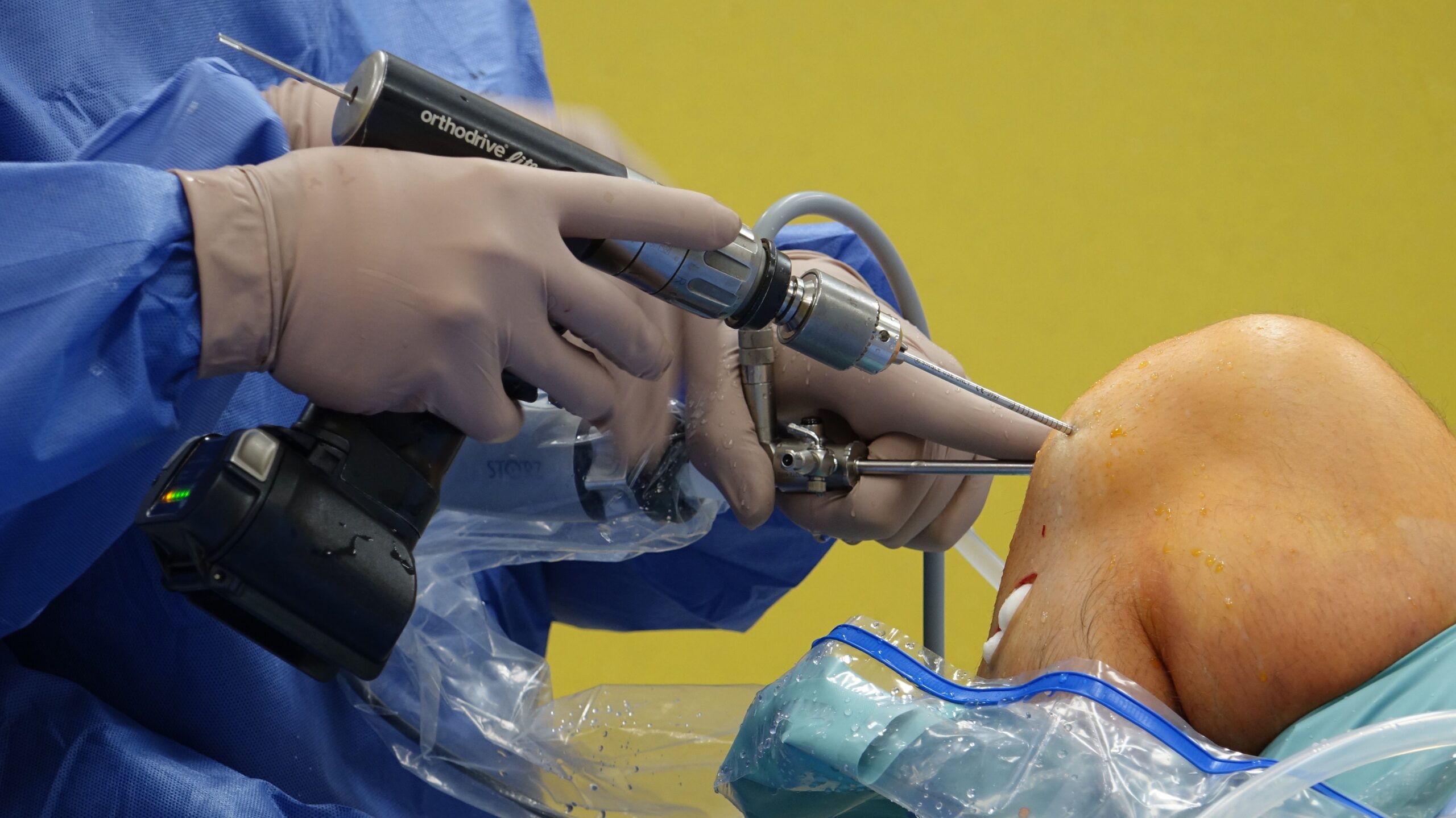
Many ligament procedures are done by keyhole (arthroscopic) surgery, using small incisions and a camera under anaesthesia. Where suitable, advanced options including robotic-assisted techniques can be discussed, but they are not needed for every ligament tear.

Not twisting or pivoting the knee as it heals.
Use of ice, compression, and elevation in the first few days.

Supervised exercises for treating knee ligament injuries and rebuilding strength in the thigh and calf muscles.
For support while healing and participating in physical activities.

Platelet-rich plasma derived from your own blood may be an option for selected mild cases of knee ligament injury, in conjunction with physical therapy. It does not guarantee healing of a torn ligament.
Many patients will inquire about the best knee cap for ligament injury. However, there is not one knee cap that fits all. It depends upon the injured ligament, its severity and whether one is resting, rehabilitating or returning to their sporting activities.
Knee stability primarily relies on the muscles and the health of the ligaments. Knee support for ligament injury provides protection and assurance but cannot be used as an alternative for rehabilitation. For further information please refer to our article on Knee stability and braces.

Light support and warmth with little ligament protection.
Side hinges limit sideways movement, often used for MCL or LCL injuries and early post-surgery protection.

Firmer, sport-oriented support for an unstable knee, commonly considered after ACL injuries.
Get the injury diagnosed before choosing a brace. Seek medical assessment first if your knee is locked, badly swollen, numb, very unstable or recently operated on.
The knee ligament injury recovery period depends on the ligament, the grade of injury, whether other structures are damaged, whether you had surgery, and how well you follow rehabilitation.
After reconstruction, often around 6–12 months before return to sport.
Isolated injuries are often treated without surgery, with gradual rehab.
Often recovers without surgery and usually faster than cruciate injuries.
Depends on whether other structures were involved; complex injuries take longer.
A guide only; your surgeon and physiotherapist will set your timeline.
Rest, ice, elevation and protection; crutches if advised.
Light walking and range-of-motion exercises.
Progressive strength, balance and control work.
Running, landing, change of direction and sport-specific drills where appropriate.
Return to sport depends on strength, stability, movement quality, confidence and medical clearance, not on time alone.
The right exercise for knee ligament injury depends on the type and severity of the injury and whether you have had surgery. Do not start unsupervised exercises straight after an acute injury or surgery. Your doctor or physiotherapist will tell you when it is safe.
Jumping and plyometric work comes late, once strength and control are good, and only under supervision.
Amicare Sports Injury & Robotics Centre was established in 2025 and has treated 2,000+ athletes, including 500+ championship players. The centre holds 20+ certifications and medical recognitions. Our knee ligament injury treatment in Ghaziabad combines careful diagnosis, honest advice and structured rehabilitation, backed by dedicated sports injury care.
With a clear explanation of your MRI.
Non-surgical options discussed first where appropriate; second opinions welcome.
Rehabilitation and return-to-play planning for your sport.
For athletes and active people.

Medically reviewed by Dr. Himanshu Gupta.
Dr. Himanshu Gupta is an orthopaedic surgeon with 20+ years of experience and 15,000+ orthopaedic surgeries.
Contact us for a personalised estimate after examination. You can ask for a written estimate and check insurance or cashless options.
Book your knee ligament assessment at our sports injury centre in Indirapuram, Ghaziabad.
Plot No. 15/16 Nyay Khand-1, Near Indirapuram Public School, Indirapuram, Ghaziabad – 201014
Monday- Sunday , 7 am – 8 pm
Sudden pain, swelling, a popping sensation, a knee that feels unstable, difficulty bearing weight, reduced movement and trouble changing direction. Not everyone has all of these, and a doctor must confirm the cause.
Doctors use the Lachman, drawer, varus and valgus stress tests, then confirm with MRI and rule out fractures with X-rays. These need a trained clinician, so avoid self-testing.
It ranges from a few weeks for mild sprains to around 6–12 months after ACL reconstruction. Return to sport depends on strength, stability and medical clearance.
There is no single best option. The right knee support for ligament injury depends on the ligament, severity and activity. Your doctor or physiotherapist can advise on sleeves, hinged braces or functional braces.
Supervised quadriceps activation, straight-leg raises, range-of-motion work, hamstring strengthening, balance drills and controlled step-ups. Exercise must match your stage of healing.
No. Many MCL and isolated PCL injuries and milder sprains improve with rest, bracing and physiotherapy. Surgery is more likely for complete tears with instability, especially ACL tears in active people, and combined ligament injuries.
It is a sprain or tear of the ligament on the outer side of the knee. Mild injuries are treated with bracing and physiotherapy; complete or combined tears may need surgery after assessment.
Call or WhatsApp the centre, or use the Schedule Your Consultation button.
Medical disclaimer: This content is for general information only and does not replace professional medical advice, diagnosis or treatment. Consult a qualified orthopaedic surgeon for an individual assessment.


Recover faster, play stronger. Advanced care for ACL tears, shoulder dislocations, ligament injuries, and more — all under expert hands and cutting-edge technology.
Fill the form and our team will get back to you shortly.