

Causes of Knee Pain in Young Adults: Common Reasons and Warning Signs
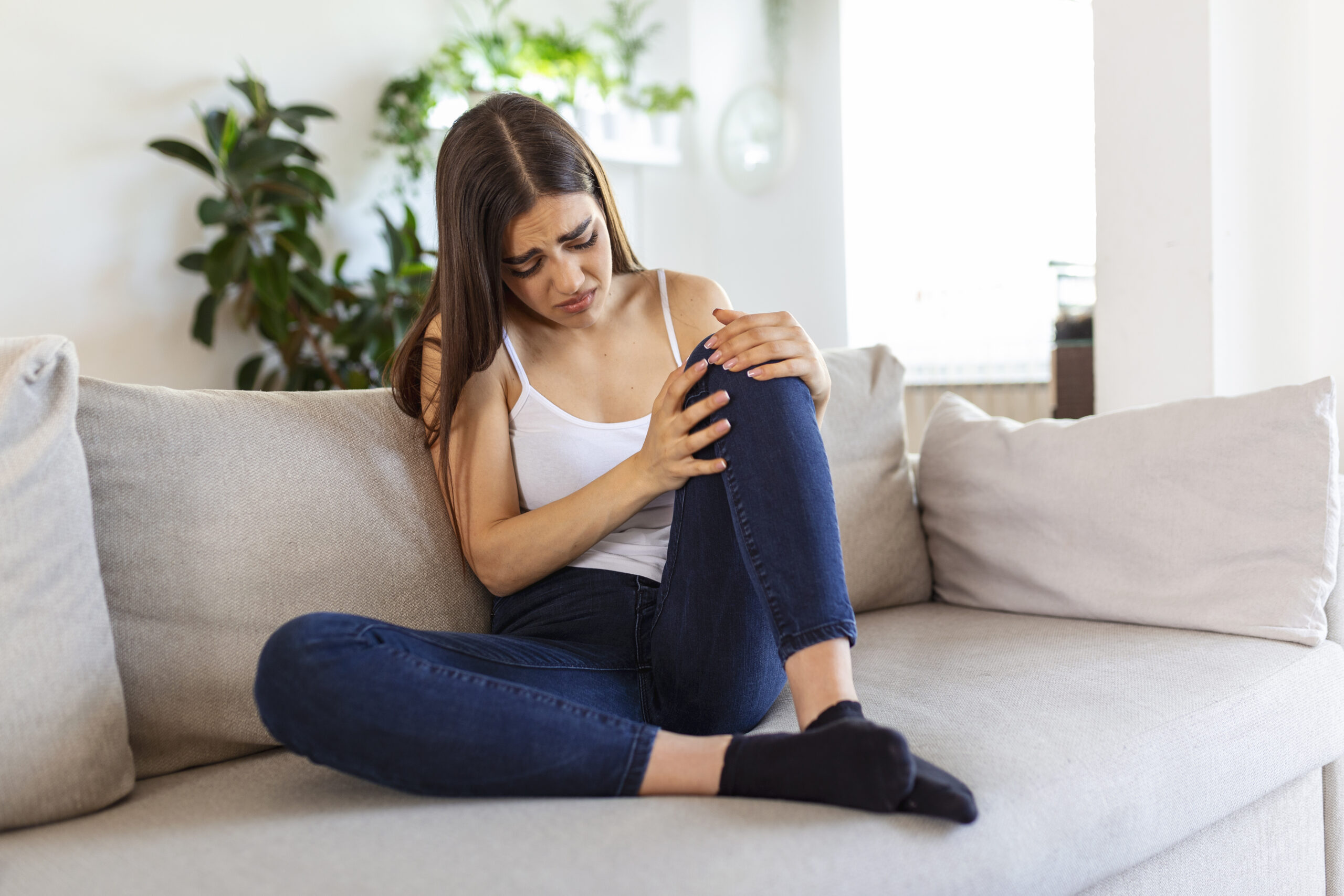
Knee pain is often seen as an older person’s problem, yet many people in their teens, 20s and 30s deal with it too. Gym workouts, running, football, badminton and even long hours at a desk can all strain the knee.
This guide explains the causes of knee pain in young adults, with a focus on sport and exercise, and the warning signs that mean it is time to get checked.
Why Are Young Adults Experiencing Knee Pain?
The knee is a hinge joint held together by ligaments, cushioned by cartilage and meniscus, and moved by the thigh and hip muscles. When one part is overloaded or weak, the others compensate, and pain follows.
Young adults often push their knees hard. A new gym programme, a sudden jump in running distance or a weekend tournament after weeks of rest can raise the load faster than the tissues can adapt. Desk-bound routines add the opposite problem: weak muscles and stiff joints that struggle when activity suddenly increases. That is why knee pain in young adults is often linked to how the knee is used rather than to age.
7 Common Causes of Knee Pain in Young Adults
Sports Injuries and Sudden Movements
Twisting, landing awkwardly or changing direction quickly can sprain or tear knee ligaments. The anterior cruciate ligament (ACL) and medial collateral ligament (MCL) are commonly involved in sports such as football, basketball and badminton. People often report a pop at the time of injury, quick swelling and a feeling that the knee gives way.
Overuse and Repetitive Exercise
Not every knee problem starts with a dramatic injury. Repeated running, jumping or heavy lifting without enough recovery can irritate the tendons and soft tissues around the knee. Jumper’s knee (patellar tendinitis) causes pain just below the kneecap in people who jump often.
Overuse explains much of the knee pain after exercise and knee pain without injury that people report: it builds gradually, usually after a rise in training volume. A runner who doubles weekly distance, or a gym-goer who adds heavy leg presses and jump squats in the same week, are typical examples of overuse knee injuries in the making.
Patellofemoral Pain Syndrome (Runner's Knee)
Patellofemoral pain syndrome causes a dull ache around or behind the kneecap. It typically shows up as knee pain after running, knee pain during squats or knee pain while climbing stairs, and after sitting for long periods with bent knees. A sudden increase in workout intensity and weak hip or thigh muscles are recognised contributors.
Muscle Weakness and Imbalances
The quadriceps, hamstrings and hip muscles, especially the glutes, guide how the knee moves. If they are weak or uneven, the kneecap may track poorly and the joint takes extra load. This pattern appears in athletes and in people who sit most of the day. Knees that cave inward during squats or landings can be a sign of it.
Meniscus and ACL Injuries
The meniscus is a C-shaped cartilage cushion that absorbs shock. Meniscus tears often follow a twist with the foot planted, and may cause pain along the joint line, swelling, clicking and sometimes locking. ACL tears more often cause instability, the sense that the knee is giving way.
The two can occur together, and symptoms alone cannot tell them apart. A clinical examination, and often an MRI, is needed. You can read more about ACL injury and reconstruction surgery. Not every ACL or meniscus injury needs surgery; the right plan depends on the tear, stability and activity level.
Poor Exercise Technique and Footwear
Letting the knees collapse inward during squats, lifting too heavy too soon, skipping warm-ups or running in worn-out shoes can all raise knee stress. Training errors, such as increasing mileage or intensity too quickly, matter as much as equipment. Shoes that no longer cushion well or suit your activity can contribute to knee pain from gym workouts and running.
Sedentary Lifestyle and Prolonged Sitting
Long hours of sitting can weaken the thigh and hip muscles and leave the knees stiff. Pain around the kneecap after sitting is a common complaint. When someone then starts an intense workout or weekend sport, the deconditioned knee is less prepared for the load.
Common Symptoms Associated with Knee Pain
Knee problems can show up as:
- Pain around or behind the kneecap.
- Swelling.
- Stiffness.
- Clicking or grinding sensations.
- Pain during squatting or climbing stairs.
- A feeling of instability or giving way.
- Difficulty bending or straightening the knee.
Many conditions share these symptoms, so they cannot confirm a diagnosis on their own. For example, pain behind the kneecap can come from runner’s knee, a tendon problem or a cartilage injury, and only an examination can sort out which. Treat this article as general education, not personal medical advice.
When Should Young Adults See a Doctor for Knee Pain?
Book an appointment with a doctor for knee pain if you notice:
- Pain that persists or worsens despite rest.
- Swelling that keeps returning.
- Locking of the knee.
- Instability or giving way.
- Difficulty putting weight on the leg.
- Significant pain after an injury.
Seek prompt medical assessment for severe swelling, visible deformity, inability to bear weight, or a hot, red knee with fever. Early assessment matters because ignoring an unstable or locking knee can allow further damage to the cartilage and meniscus, and a clear diagnosis helps you return to sport safely.
Frequently Asked Questions
What are the common causes of knee pain in young adults?
Sports injuries, overuse, patellofemoral pain syndrome, muscle weakness, poor technique and prolonged sitting are the most common causes.
Can knee pain occur without an injury?
Yes. Overuse, muscle imbalance and sudden increases in activity can cause knee pain without a specific injury.
Why does my knee hurt after working out?
Too much load too soon, poor technique, weak supporting muscles or inadequate recovery are common reasons. Pain that persists should be checked.
Why does my knee hurt when climbing stairs?
Stairs load the joint around the kneecap, so pain there often points to patellofemoral pain or muscle weakness. A doctor can confirm the cause.
Can running cause knee pain in young adults?
Yes. Repetitive impact, a sudden rise in mileage or weak hip muscles can lead to runner’s knee and other overuse problems.
Conclusion
Understanding the causes of knee pain in young adults can help you recognise problems early, from overuse and muscle imbalance to ligament and meniscus injuries. Recurring pain, swelling or instability deserves a proper evaluation by a sports injury doctor or orthopaedic doctor for knee pain. For more about Amicare Sports Injury Centre, visit Sports Injury Xpert on Google


