logo

Ankle Brace for Ankle Pain: Benefits, Uses & Recovery Tips

Ankle Brace
Ankle Brace

Ankle pain can slow you down fast, whether it’s from a sprain, arthritis, or general instability. One of the simplest, most effective tools for managing it is an ankle brace. It stabilizes the joint, reduces swelling, and helps you move with more confidence while you heal.

This guide covers why an ankle brace works, who should use one, and how to get the most out of it during recovery.

What Is an Ankle Brace?

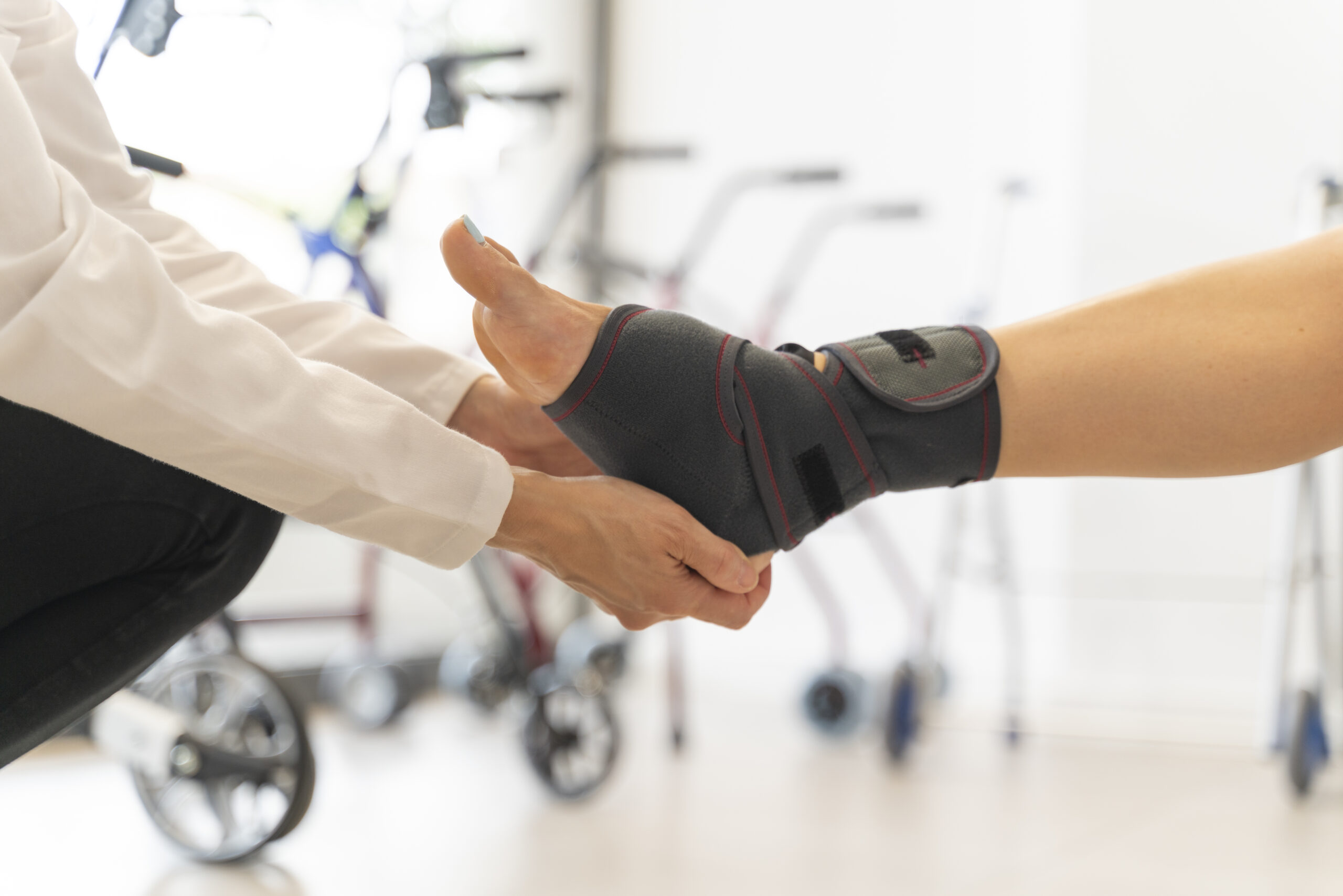
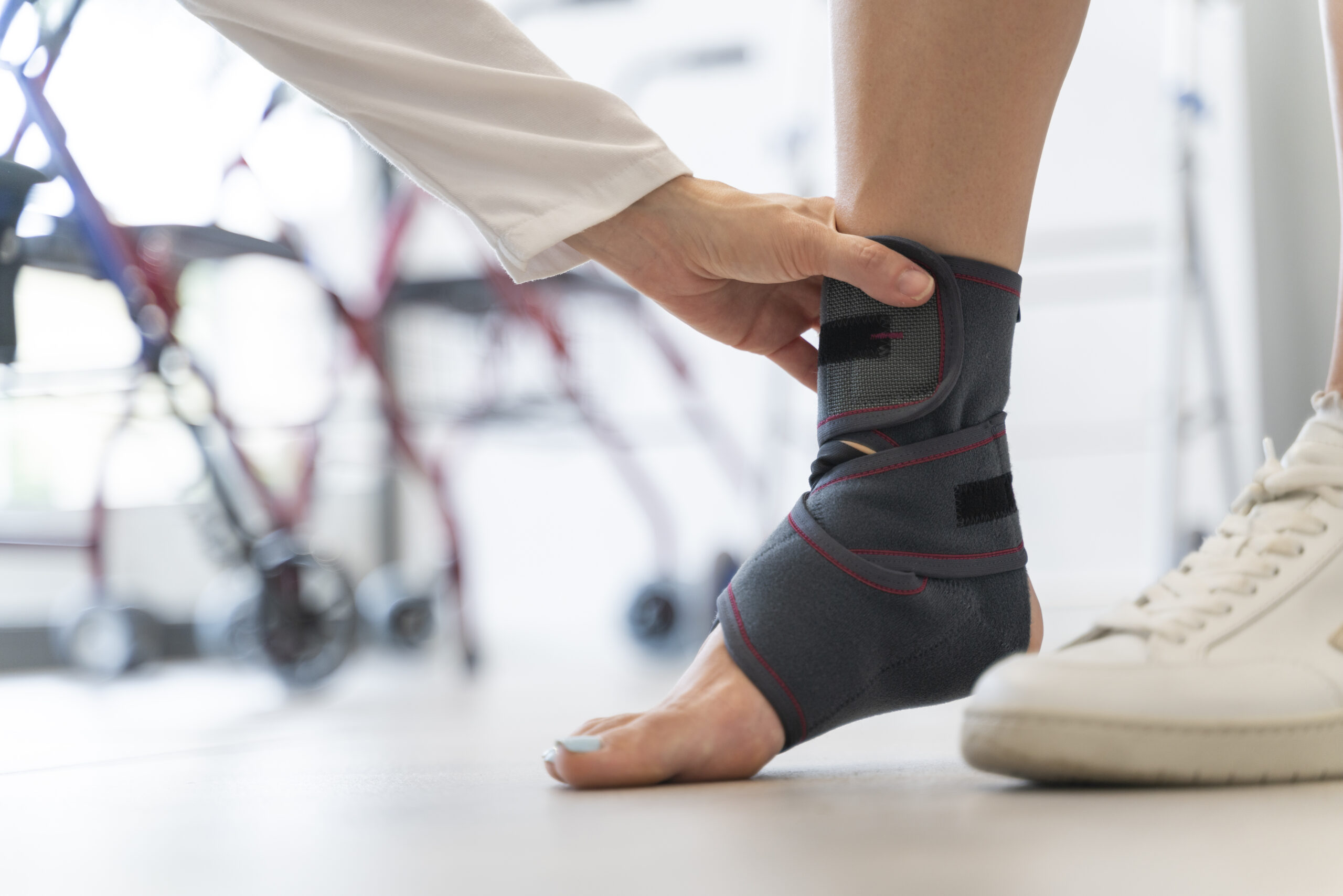
An ankle brace is a supportive device worn around the ankle joint to limit excessive movement, reduce pain, and protect against further injury. It comes in several forms, including a soft ankle support brace, a rigid ankle cap, and lace-up styles, each designed for different levels of support.

Some braces function like an ankle binder, wrapping snugly around the joint for compression and mild support. Others, like a semi-rigid ankle belt, offer stronger stabilization for more serious injuries. Popular options such as the tynor ankle binder are widely used for everyday support, sports protection, and post-injury recovery.

Why Use an Ankle Brace?

An ankle brace isn’t just for athletes recovering from a sprain. It’s used across a wide range of situations where the ankle needs extra support or protection.

Common Reasons People Use an Ankle Brace:

  • • Recovering from a sprained or twisted ankle
  • • Managing chronic ankle instability
  • • Preventing re-injury during sports or exercise
  • • Reducing swelling and inflammation
  • • Supporting weak or previously injured ligaments
  • • Easing pain from arthritis or tendonitis
  • • Providing extra stability during long periods of standing or walking

Whether you need short-term support after an injury or long-term protection for a recurring issue, the right brace can make daily movement significantly easier.

Benefits of Wearing an Ankle Brace

Using an ankle brace offers more than just pain relief. It plays an active role in protecting the joint and speeding up recovery.

Key Benefits Include:

  • • Improved stability — limits side-to-side movement that can worsen an injury
  • • Reduced swelling — compression from an ankle support brace helps control inflammation
  • • Pain relief — less strain on injured ligaments and tendons means less discomfort
  • • Faster recovery — proper support allows tissues to heal without repeated stress
  • • Injury prevention — reduces the risk of rolling or twisting the ankle again
  • • Better confidence in movement — many people feel more secure walking or exercising with added support

For anyone dealing with a weak or previously injured ankle, consistent use of a brace can significantly lower the chances of repeat injuries.

Types of Ankle Braces

Not all ankle braces are built the same. Choosing the right type depends on your injury, activity level, and how much support you need.

  • • Elastic ankle support — a lightweight, breathable option similar to an ankle binder, ideal for mild pain or preventive use
  • • Ankle cap — offers light compression and is often used for minor swelling or general soreness
  • • Lace-up brace — provides moderate support with adjustable tightness, popular for sports
  • • Rigid or hinged brace — offers maximum stability for moderate to severe sprains
  • • Neoprene sleeve — retains heat and improves blood flow while offering mild compression

If you’re unsure which type suits your situation, a doctor or physiotherapist can recommend the right level of support based on your specific injury.

How to Use an Ankle Brace Correctly

Wearing an ankle brace the right way makes a real difference in how effective it is. Follow these tips to get the most benefit.

Tips for Proper Use:

  • • Choose the correct size — a brace that’s too loose won’t stabilize the joint, and one that’s too tight can restrict circulation
  • • Wear it snugly but comfortably, especially during activity
  • • Put it on before exercising or standing for long periods, not just after pain starts
  • • Follow your doctor’s guidance on how many hours per day to wear it
  • • Remove it periodically to let skin breathe and check for irritation
  • • Replace worn-out straps or fabric to maintain proper support

Using a brace consistently, rather than only when pain flares up, tends to produce better long-term results for ankle stability.

Ankle Brace and Recovery: What to Expect

Recovery time varies depending on the severity of the injury, but an ankle brace plays a supportive role at every stage.

Early Recovery (Days 1–7)

  • • Focus on rest, ice, compression, and elevation (RICE method)
  • • Wear a supportive brace to limit movement and control swelling
  • • Avoid putting excessive weight on the injured ankle

Mid Recovery (Weeks 2–4)

  • • Gradually increase movement with brace support
  • • Begin light range-of-motion exercises as advised by a physiotherapist
  • • Continue wearing the brace during daily activities to prevent re-injury

Later Recovery (Weeks 4–8 and Beyond)

  • • Introduce strengthening exercises for the ankle and surrounding muscles
  • • Use the brace during sports or high-impact activities for added protection
  • • Gradually reduce brace dependency as strength and stability improve

Most mild to moderate sprains improve significantly within 4 to 6 weeks with consistent brace use and proper rehabilitation. More severe injuries may require a longer recovery period and additional physical therapy.

Tips for Faster Ankle Recovery

Beyond wearing a brace, a few simple habits can speed up healing and reduce the risk of long-term issues.

  • • Stay consistent with prescribed physical therapy exercises
  • • Avoid rushing back into high-impact activity too soon
  • • Strengthen the muscles around the ankle, not just the joint itself
  • • Maintain a healthy weight to reduce stress on the joint
  • • Choose supportive footwear alongside your brace
  • • Listen to pain signals and rest when needed

Combining these habits with regular brace use gives the ankle the best chance to heal fully and stay strong long-term.

Ankle Brace FAQs

How long should I wear an ankle brace each day?

It depends on the severity of your injury. Mild sprains may only need a brace during activity, while more serious injuries might require wearing it most of the day. A doctor or physiotherapist can recommend the right duration for your case.

Can I wear an ankle brace while sleeping?

Generally, it’s not necessary to wear a brace while sleeping unless specifically advised by a doctor. Most braces are designed for use during movement, standing, or activity rather than rest.

Is an ankle brace the same as an ankle binder?

They’re similar but not identical. An ankle binder typically offers lighter compression and support, while a brace can range from soft elastic designs to rigid, hinged models for stronger stabilization.

Can wearing an ankle brace weaken the ankle over time?

Occasional or guided use doesn’t weaken the ankle. However, relying on a brace as a permanent substitute for strengthening exercises may slow the recovery of natural stability. Braces work best alongside rehabilitation, not instead of it.

When should I see a doctor instead of just using a brace?

If you experience severe pain, inability to bear weight, significant swelling, or a visible deformity, it’s important to see a doctor before relying on a brace alone. These signs may indicate a fracture or more serious ligament damage requiring professional evaluation.

Final Thoughts

  • An ankle brace is a simple but powerful tool for managing pain, protecting the joint, and supporting recovery after an injury. Whether you choose a soft ankle support brace for mild discomfort or a more rigid option for serious instability, using it correctly and consistently makes a real difference in how well and how quickly your ankle heals.