

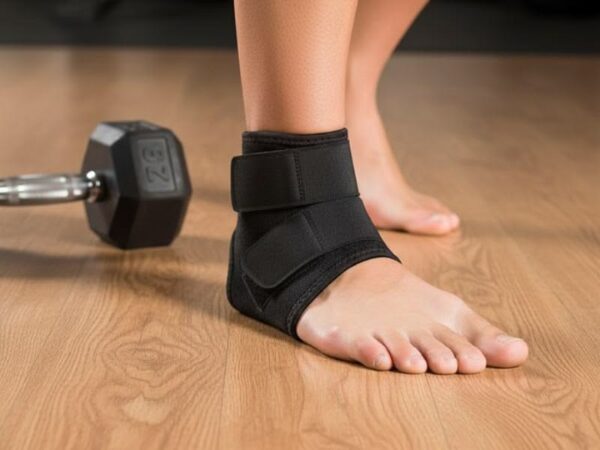
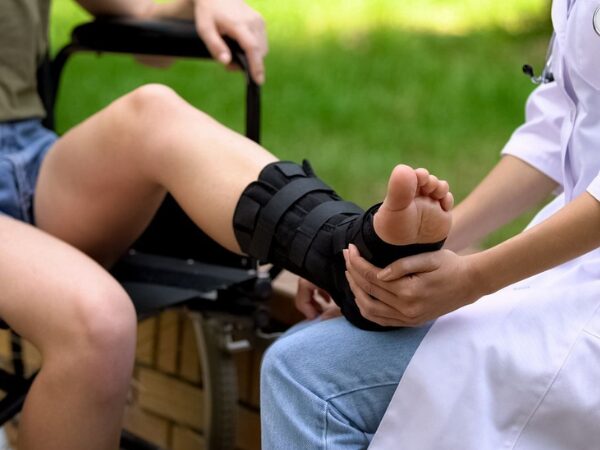
The ankle is one of the hardest-working joints in the human body. Every step you take, whether walking, running, climbing stairs, or exercising, places pressure on the ankle joint and its supporting structures. Because of this constant stress, ankle injuries are among the most common musculoskeletal problems affecting people of all ages.
Athletes, fitness enthusiasts, older adults, and even individuals performing routine daily activities can experience ankle pain, sprains, ligament injuries, and instability. When these problems occur, proper support becomes essential for both recovery and prevention. An orthopedic ankle support is specifically designed to stabilize the ankle, protect injured tissues, and reduce the risk of future injuries.
Whether you are recovering from an ankle sprain, managing chronic instability, or looking for extra protection during physical activities, understanding the benefits and proper use of ankle support can help you maintain mobility and long-term joint health.
Orthopedic ankle support is a specialized medical device designed to provide stability, compression, and protection to the ankle joint. Unlike ordinary elastic wraps, an orthopedic ankle brace offers structured support that helps control excessive movement while allowing safe mobility.
The ankle joint relies on a complex network of ligaments, tendons, muscles, and bones to maintain balance and movement. When any of these structures become injured or weakened, ankle instability can develop.
An orthopedic ankle support works by:
● Stabilizing the ankle joint and reducing unwanted side-to-side movement that can worsen injuries.
● Supporting injured ligaments and tendons during the healing process.
● Providing compression that helps reduce swelling and discomfort.
● Enhancing balance and confidence during walking, sports, and daily activities.
● Protecting the ankle from repetitive stress and re-injury.
Many healthcare professionals recommend an ankle support brace as part of a comprehensive treatment and rehabilitation plan for ankle injuries.
Several ankle conditions can benefit significantly from orthopedic support. Early intervention often improves recovery outcomes and reduces long-term complications.
An ankle sprain occurs when the ligaments that stabilize the ankle are stretched or torn due to sudden twisting or rolling movements.
Common ankle sprain symptoms include:
● Pain around the ankle joint, especially during movement.
● Swelling that develops shortly after the injury.
● Bruising or discoloration around the affected area.
● Difficulty walking or bearing weight.
● A feeling of instability or weakness in the ankle.
An orthopedic ankle brace helps protect the injured ligaments while allowing controlled movement during recovery.
Ligament injuries vary from mild stretching to complete tears. These injuries often occur during sports, accidents, or sudden changes in direction.
Proper ankle ligament injury treatment may include:
● Rest and activity modification.
● Ice and compression therapy.
● Physiotherapy and strengthening exercises.
● Orthopedic bracing for additional support.
● Surgical intervention in severe cases.
Tendons surrounding the ankle can become inflamed due to overuse, repetitive movements, or biomechanical abnormalities. Supportive braces help reduce stress on these structures during healing.
Repeated ankle injuries may lead to chronic instability, causing the ankle to frequently “give way” during daily activities. Long-term support and rehabilitation are often necessary to restore function.
Orthopedic ankle supports offer numerous benefits for both injury management and prevention.
One of the primary advantages is increased ankle stability. The brace helps maintain proper alignment and prevents excessive movement that can aggravate existing injuries.
Many individuals experience significant pain relief when using an orthopedic ankle support because the device reduces stress on injured tissues and provides gentle compression.
A stable ankle allows individuals to move more comfortably and confidently. This can improve walking, exercise participation, and overall daily function.
During rehabilitation, controlled movement is important for tissue healing. Orthopedic braces allow safe activity while protecting healing ligaments and tendons.
People who have previously experienced ankle sprains are at greater risk of future injuries. An orthopedic ankle brace helps minimize this risk during sports and physical activities.
Athletes often use ankle supports to improve confidence and reduce injury concerns while participating in demanding sports.
Orthopedic ankle supports are beneficial for many different groups of people.
Athletes frequently place significant stress on their ankles during activities involving running, jumping, and rapid directional changes.
Benefits include:
● Improved stability during competition.
● Reduced risk of ankle sprains.
● Additional protection during recovery periods.
People recovering from sprains, ligament injuries, or surgery often require extra support while healing.
As people age, balance and joint stability may decline. Ankle supports can improve confidence while walking and reduce fall risk.
Arthritis can cause pain, stiffness, and instability in the ankle joint. Braces provide support that may improve comfort and mobility.
Individuals whose jobs involve prolonged standing, walking, climbing, or lifting may benefit from ankle support to reduce strain on the joint.
Not all ankle supports provide the same level of protection. Selecting the right brace depends on the severity of the condition and the intended activity.
Compression sleeves are commonly used for:
● Mild discomfort.
● Swelling management.
● Injury prevention during light activities.
● Daily wear.
Lace-up braces offer a balance between flexibility and stability.
These braces are often recommended for:
● Mild-to-moderate ankle sprains.
● Sports participation.
● Early rehabilitation stages.
● Chronic ankle instability.
Rigid and semi-rigid braces provide the highest level of support.
They are commonly used for:
● Severe ligament injuries.
● Post-surgical recovery.
● Significant ankle instability.
● High-risk physical activities.
Before selecting a brace, consider comfort, fit, breathability, activity level, and medical recommendations.
Successful ankle injury recovery requires more than simply resting the affected joint. A structured rehabilitation program is essential for restoring strength, flexibility, and stability.
During recovery, orthopedic ankle supports help by:
● Protecting healing tissues from excessive stress.
● Allowing controlled movement necessary for recovery.
● Reducing fear of movement and re-injury.
● Supporting safe return to daily activities.
● Improving overall confidence during rehabilitation.
Physiotherapy plays a vital role in recovery. Exercises typically focus on improving range of motion, strengthening ankle muscles, and restoring balance.
A comprehensive recovery plan often includes:
● Guided stretching exercises.
● Strength training.
● Proprioception and balance exercises.
● Functional movement training.
● Gradual return to sports or physical activity.
Preventing ankle injuries is often easier than treating them. Consistent preventive measures can significantly reduce the likelihood of future problems.
Important prevention strategies include:
● Performing proper warm-up exercises before physical activity.
● Strengthening ankle and lower leg muscles regularly.
● Improving balance and coordination through targeted exercises.
● Wearing supportive footwear appropriate for your activity.
● Maintaining a healthy body weight to reduce joint stress.
● Using orthopedic ankle support during high-risk activities.
Individuals with previous ankle injuries should remain especially vigilant, as recurrent injuries are common without adequate preventive measures.
Although many ankle injuries improve with conservative treatment, certain symptoms require professional evaluation.
Seek medical attention if you experience:
● Severe pain that does not improve.
● Significant swelling or bruising.
● Difficulty bearing weight on the affected foot.
● Persistent ankle instability.
● Repeated ankle injuries.
● Limited range of motion lasting several weeks.
● Visible deformity after an injury.
An orthopedic specialist can perform a detailed evaluation and recommend appropriate imaging studies such as X-rays, MRI scans, or ultrasound examinations when necessary.
Long-term ankle health depends on maintaining strength, flexibility, and stability throughout life. Many individuals focus on treatment only after an injury occurs, but prevention should remain a priority.
Experts recommend:
● Staying physically active while avoiding overtraining.
● Addressing minor ankle problems before they worsen.
● Following rehabilitation programs completely.
● Using supportive devices when medically indicated.
● Seeking professional guidance for recurring symptoms.
By taking a proactive approach, individuals can reduce injury risk and maintain healthy ankle function for years to come.
The best orthopedic ankle support depends on your condition. Compression sleeves suit mild discomfort, while lace-up braces provide extra stability for previous injuries.
Yes. Ankle braces can help reduce the risk of recurrent ankle sprains by improving joint stability during physical activities.
The duration depends on injury severity. Mild sprains may need support for a few weeks, while more serious injuries may require longer use as advised by a doctor.
No, ankle supports do not usually weaken muscles when used correctly. Combining brace use with strengthening exercises supports better recovery.
Seek medical attention if ankle pain is severe, persistent, causes difficulty walking, or is associated with swelling and instability.
Orthopedic ankle support plays an important role in protecting the ankle joint, preventing injuries, and supporting recovery from sprains and ligament damage. Whether you are an athlete, an active professional, or someone recovering from an ankle injury, the right support can improve stability, reduce pain, and enhance confidence during movement.
However, ankle braces should be viewed as part of a broader treatment and prevention strategy that includes rehabilitation, strengthening exercises, proper footwear, and professional medical guidance. By taking a proactive approach to ankle health, individuals can reduce injury risk, maintain mobility, and enjoy a more active lifestyle.


Recover faster, play stronger. Advanced care for ACL tears, shoulder dislocations, ligament injuries, and more — all under expert hands and cutting-edge technology.
Fill the form and our team will get back to you shortly.