
Cupping has gained significant popularity in recent years as a complementary wellness and recovery technique. Athletes, fitness enthusiasts, and individuals seeking natural pain relief often turn to this ancient practice to support healing and relaxation. However, one of the most common questions people ask is: What changes can you expect before and after a session?
Understanding the physical and mental effects of this treatment can help set realistic expectations and ensure a positive experience. Whether you are considering it for pain management, muscle recovery, stress reduction, or improved circulation, knowing what happens before, during, and after the procedure is essential.
The results of a session can vary depending on the individual’s health condition, lifestyle, treatment goals, and the type of technique used. Some people notice immediate relief, while others experience gradual improvements over multiple sessions.
The visible marks left on the skin often lead people to believe that the treatment is painful. In reality, most individuals describe the experience as relaxing and therapeutic.
Before discussing the results, it is important to understand what is cupping therapy.
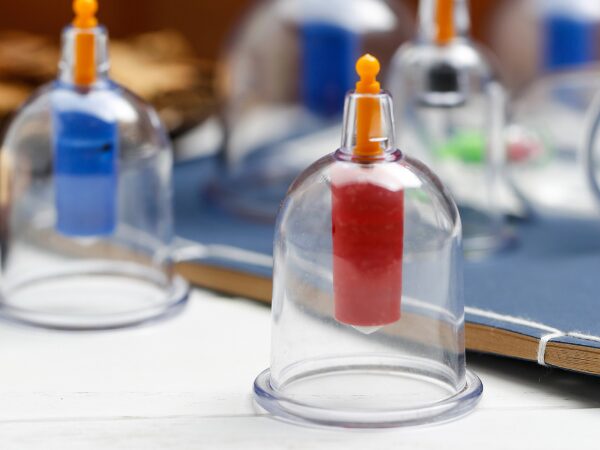
This traditional healing technique involves placing specialized cups on the skin to create suction. The suction lifts the skin and underlying tissues, promoting blood flow and encouraging the body’s natural healing response.
Several methods are commonly used:
● Dry cupping therapy uses suction only and is the most widely practiced technique.
● Fire cupping therapy creates suction using heat before placing the cup on the skin.
● Moving cupping combines suction with massage-like movements.
● Wet cupping involves minor skin incisions and is performed under specific medical guidelines.
Each method is designed to support circulation, muscle recovery, and overall wellness.
Many people notice both immediate and long-term changes after treatment.
Prior to treatment, individuals may experience:
● Muscle tightness that limits movement and causes discomfort during daily activities.
● Chronic pain that has not responded fully to traditional treatments.
● Physical fatigue resulting from overuse, exercise, or stressful routines.
● Poor circulation leading to stiffness and feelings of heaviness.
● Mental stress that contributes to tension in the neck, shoulders, and back.
A qualified practitioner typically evaluates symptoms, medical history, and treatment goals before beginning the session.
Most people report feeling:
● Increased relaxation throughout the body due to reduced muscle tension.
● Improved mobility that makes everyday movements feel easier and smoother.
● A sensation of warmth caused by increased local blood circulation.
● Reduced stiffness in affected muscles and connective tissues.
● Mental calmness and decreased stress levels after the treatment.
Some individuals experience mild soreness similar to the feeling after a deep-tissue massage, which generally resolves within a few days.
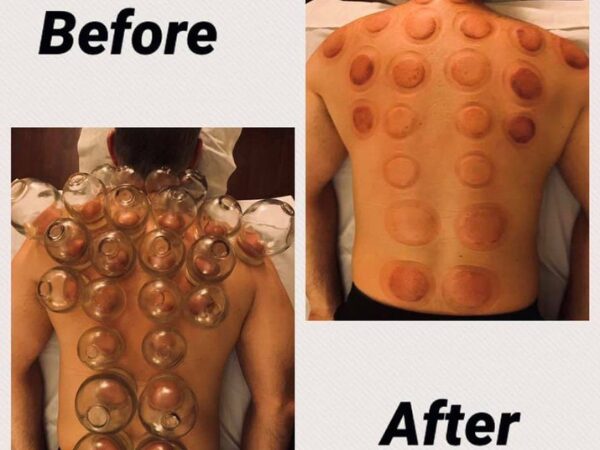
One of the most noticeable effects is the appearance of circular marks on the skin.
The marks are caused by suction drawing blood toward the surface tissues. They are not bruises caused by injury.
Factors that influence the appearance include:
● Treatment intensity and duration used during the session.
● Individual skin sensitivity and circulation patterns.
● The condition being treated and affected body area.
● Frequency of previous treatment sessions.
These marks typically fade within several days to two weeks
Practitioners often observe varying shades after treatment:
● Light pink marks generally suggest mild stagnation and healthy circulation.
● Dark red marks may indicate areas of greater tension or restricted blood flow.
● Purple discoloration can occur in regions with chronic muscle tightness.
● Fading marks often suggest improved circulation over time.
The color alone should not be used to diagnose any medical condition.
Many individuals seek treatment because of the various cupping therapy benefits reported by practitioners and patients.
Enhanced circulation is one of the primary goals of treatment.
Benefits may include:
● Better delivery of oxygen and nutrients to muscles and soft tissues.
● Improved removal of metabolic waste products from affected areas.
● Faster recovery following physical activity and exercise.
● Reduced feelings of heaviness and muscular fatigue.
Muscle tightness can affect posture, movement, and overall comfort.
Potential improvements include:
● Relief from stubborn knots and trigger points causing discomfort.
● Greater flexibility during physical activities and exercise routines.
● Reduced stiffness in the neck, shoulders, back, and legs.
● Enhanced comfort during everyday movements and activities.
Many athletes use this technique as part of their recovery strategy.
Possible advantages include:
● Supporting muscle recovery after intense training sessions.
● Reducing post-exercise soreness and fatigue.
● Helping maintain flexibility during demanding training schedules.
● Complementing physiotherapy and rehabilitation programs.
The benefits are not limited to physical recovery.
Many people report:
● Improved relaxation and overall well-being.
● Better sleep quality following treatment sessions.
● Reduced stress-related muscle tension.
● Enhanced feelings of mental clarity and focus.
● A greater sense of physical comfort and balance.
These effects are often linked to the calming nature of the treatment and the reduction of muscular discomfort.
Not everyone experiences the same outcomes.
Several factors play a role in determining results:
People with better general health may notice faster recovery and more consistent improvements.
Multiple sessions are often recommended for chronic conditions. Benefits may accumulate gradually over time rather than appearing after a single appointment.
Daily habits can significantly affect outcomes.
Examples include:
● Regular exercise supporting muscle health and circulation.
● Proper hydration assisting recovery after treatment.
● Balanced nutrition promoting tissue repair and healing.
● Adequate sleep supporting overall wellness.
Although generally considered safe when performed correctly, there are potential cupping therapy side effects that should be understood.
These may include:
● Circular skin marks that gradually fade over time.
● Mild soreness in treated areas following the session.
● Temporary fatigue as the body adapts after treatment.
● Minor skin sensitivity around cup placement sites.
● Lightheadedness in some individuals immediately afterward.
Most of these effects are short-lived and resolve without intervention.
Seek professional advice if you experience:
● Persistent pain lasting longer than expected.
● Signs of infection or unusual skin reactions.
● Severe discomfort following treatment.
● Symptoms that worsen rather than improve.
The cupping therapy price can vary depending on several factors.
Common factors affecting cost include:
● Experience and qualifications of the practitioner.
● Location and reputation of the clinic.
● Duration of the treatment session.
● Type of technique being performed.
● Number of sessions included in the treatment plan.
It is important to prioritize practitioner expertise and safety rather than choosing solely based on cost.
Following simple recommendations can help improve your experience.
Aftercare Guidelines
● Drink sufficient water to support recovery and circulation.
● Avoid intense physical activity immediately after treatment.
● Allow your body adequate rest during the recovery period.
● Maintain healthy nutrition to support tissue healing.
● Follow all practitioner instructions regarding aftercare.
Most marks fade within 3 to 14 days depending on skin type and circulation.
Most people experience mild pressure and tightness rather than pain during the session.
Some individuals notice improvement after one session, while others benefit from multiple treatments.
Yes, many athletes use it to support recovery, flexibility, and muscle relaxation.
No, the marks are typically temporary and usually disappear without treatment.
The changes seen before and after treatment can range from reduced pain and improved mobility to better relaxation and enhanced recovery. While individual results vary, many people report positive physical and mental effects after undergoing sessions with a qualified practitioner.
Understanding the process, expected outcomes, potential side effects, and aftercare recommendations can help you make an informed decision. If you are considering this therapy for pain management, muscle recovery, or general wellness, consulting an experienced professional is the best way to determine whether it is suitable for your needs.


Recover faster, play stronger. Advanced care for ACL tears, shoulder dislocations, ligament injuries, and more — all under expert hands and cutting-edge technology.
Fill the form and our team will get back to you shortly.