

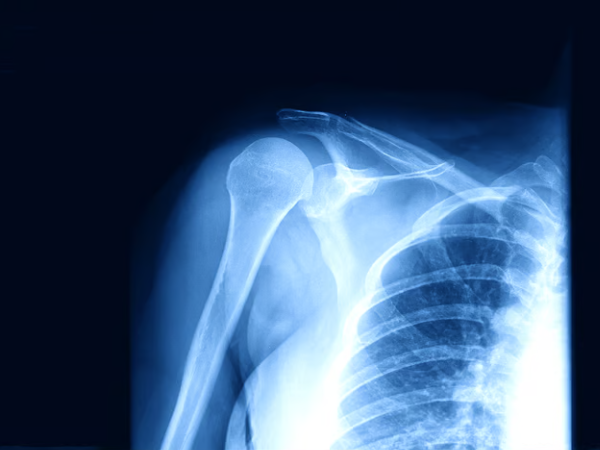
A proximal humerus fracture is one of the most common shoulder injuries, particularly among older adults and individuals who experience falls, sports injuries, or road accidents. The proximal humerus is the upper part of the arm bone that connects to the shoulder joint. When this area fractures, patients often experience significant pain, swelling, stiffness, and limited arm movement.
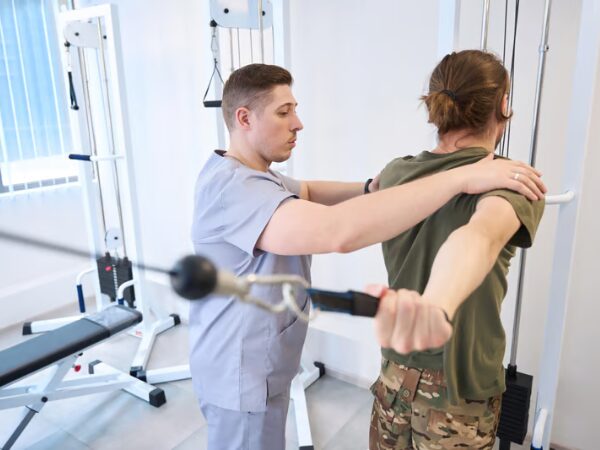
Recovery from a proximal humerus fracture does not end after the bone heals. Regaining shoulder strength, flexibility, and function requires a structured rehabilitation program that includes medically supervised exercises. Research indicates that early and appropriate physiotherapy can significantly improve shoulder mobility and reduce long-term disability after a fracture.
With over 25 years of orthopedic experience and more than 1,500 successful orthopedic and joint surgeries, Dr. Himanshu Gupta emphasizes the importance of personalized rehabilitation programs to help patients achieve the best possible recovery outcomes.
In this guide, we discuss the best exercises after a proximal humerus fracture, when to start them, and how they support faster recovery.
A proximal humerus fracture occurs in the upper segment of the humerus bone near the shoulder joint. It accounts for approximately 5–6% of all fractures and is especially common in elderly individuals with osteoporosis.
Common causes include:
● Falls on an outstretched arm
● Sports injuries
● Road traffic accidents
● Direct shoulder trauma
● Osteoporosis-related fractures
Depending on the severity, proximal humerus fracture treatment may involve sling immobilization, physical therapy, or surgery.
Many patients believe that once the bone heals, recovery is complete. However, prolonged immobilization can lead to:
● Shoulder stiffness
● Muscle weakness
● Reduced range of motion
● Chronic pain
● Functional limitations
Proper exercise therapy helps restore:
● Shoulder mobility
● Joint flexibility
● Muscle strength
● Functional independence
● Overall quality of life
Studies have shown that patients who follow structured rehabilitation programs generally experience better long-term outcomes than those who do not participate in physical therapy
The timing depends on the fracture pattern and treatment method.
Gentle movement exercises may begin under medical supervision to prevent stiffness.
As healing progresses, active range-of-motion exercises are gradually introduced.
Resistance and strengthening exercises are added once sufficient bone healing is confirmed.
Always follow your orthopedic surgeon’s recommendations before starting any exercise program.
Repeated ankle sprains can weaken the ligaments, resulting in ongoing instability and discomfort.
The pendulum exercise is often one of the first exercises recommended.
How to Perform:
1. Lean forward slightly.
2. Support yourself with the opposite arm.
3. Allow the injured arm to hang freely.
4. Move the arm gently in small circles.
Benefits:
● Improves joint mobility
● Reduces stiffness
● Promotes circulation
This exercise helps restore shoulder movement safely.
Steps:
1. Lie on your back.
2. Use the healthy arm to assist the injured arm upward.
3. Raise the arm slowly within a comfortable range.
Benefits:
● Improves flexibility
● Encourages gradual motion recovery
This simple exercise improves shoulder elevation.
Steps:
1. Stand facing a wall.
2. Use your fingers to “walk” up the wall.
3. Reach as high as comfortable.
4. Slowly lower the arm.
Benefits:
● Enhances shoulder mobility
● Builds confidence in arm movement
Scapular strengthening is essential for shoulder stability.
Steps:
1. Sit or stand upright.
2. Squeeze the shoulder blades together.
3. Hold for five seconds.
4. Repeat several times.
Benefits:
● Improves posture
● Supports shoulder mechanics
These exercises strengthen the rotator cuff muscles.
Steps:
1. Keep the elbow close to your side.
2. Rotate the forearm outward slowly.
3. Return to the starting position.
Benefits:
● Improves shoulder stability
● Strengthens supporting muscles
Once approved by your orthopedic specialist, resistance bands can help rebuild strength.
Benefits:
● Enhances muscle endurance
● Improves shoulder function
● Supports return to daily activities
Not all exercises are safe during recovery.
Avoid:
● Heavy lifting
● Overhead weight training
● Sudden jerking movements
● Contact sports
● Aggressive stretching
Performing these activities too early may delay healing or increase the risk of complications.
The humerus can fracture in different locations, each requiring specific treatment strategies.
Occurs near the shoulder joint and is often associated with falls.
A distal humerus fracture occurs near the elbow and may affect joint movement.
A supracondylar humerus fracture commonly occurs in children following falls.
A lateral condyle humerus fracture affects the outer portion of the elbow region.
An intercondylar fracture humerus involves the joint surface and often requires surgical treatment.
Understanding these humerus fracture types helps patients appreciate why treatment and rehabilitation plans vary.
A greater tuberosity of humerus fracture affects the attachment area of the rotator cuff tendons and may impact shoulder movement.
A surgical neck of humerus fracture is a common fracture location that may require immobilization or surgery depending on displacement.
Regardless of the specific humerus bone fracture, rehabilitation remains essential for restoring strength and mobility.
Effective proximal humerus fracture treatment involves more than bone healing.
Comprehensive care includes:
● Accurate diagnosis
● Pain management
● Fracture stabilization
● Surgical intervention when necessary
● Physiotherapy
● Long-term follow-up
Patients who actively participate in rehabilitation often achieve superior outcomes.
With over 25 years of orthopedic expertise, Dr. Himanshu Gupta has successfully managed complex fracture cases, shoulder injuries, and joint disorders.
Key highlights include:
● 25+ years of orthopedic experience
● 1,500+ successful surgeries
● Expertise in fracture management
● Advanced rehabilitation guidance
● Patient-centered treatment approach
His focus on evidence-based treatment and personalized rehabilitation helps patients recover safely and efficiently.
To maximize recovery:
● Follow your doctor’s instructions carefully
● Attend all physiotherapy sessions
● Perform exercises consistently
● Maintain a healthy diet rich in calcium and protein
● Avoid smoking and excessive alcohol consumption
● Stay patient throughout the healing process
Recovery timelines vary, but commitment to rehabilitation significantly improves
outcomes.
Most patients recover within 3–6 months, although full recovery may take longer depending on the severity of the injury.
Exercises typically begin under medical supervision once the fracture is stable and healing appropriately.
Pendulum exercises are often recommended first because they improve mobility without excessive stress on the healing bone.
Yes, many fractures heal successfully with sling immobilization, physiotherapy, and regular follow-up.
Physiotherapy helps restore strength, flexibility, range of motion, and overall shoulder function while reducing long-term stiffness.
A proximal humerus fracture can temporarily affect independence, mobility, and quality of life. However, with proper medical care, structured rehabilitation, and consistent exercise, most patients can regain excellent shoulder function. The best exercises after a proximal humerus fracture focus on restoring flexibility, strength, and mobility while protecting the healing bone.
Under the guidance of experienced orthopedic specialists like Dr. Himanshu Gupta, who brings over 25 years of experience and 1,500+ successful surgeries, patients can receive expert care and personalized recovery plans designed for optimal long-term results.


Recover faster, play stronger. Advanced care for ACL tears, shoulder dislocations, ligament injuries, and more — all under expert hands and cutting-edge technology.
Fill the form and our team will get back to you shortly.