


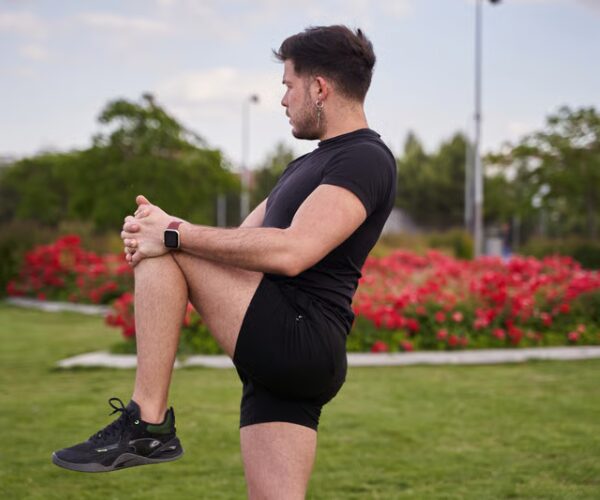
A Knee Bend Exercise is one of the simplest and most effective ways to improve knee flexibility, mobility, and muscle strength at home. Whether you are recovering from an injury, dealing with stiffness, or trying to stay active, adding a regular exercise routine can support better joint health and movement. People who continue to experience discomfort or limited mobility may also consider professional Ghaziabad-based care options for advanced evaluation and rehabilitation.
Many individuals experience knee pain when bending due to weak muscles, poor posture, arthritis, sports injuries, or prolonged sitting. In such situations, gentle exercises can help reduce discomfort and improve flexibility. However, if symptoms become severe or persistent, consulting a specialist for Knee Treatment in Ghaziabad can help identify the exact cause and provide personalised care. Proper diagnosis and early management are important to prevent long-term joint complications.
This guide explains beginner-friendly exercises, their benefits, correct techniques, safety tips, and common mistakes to avoid. If you experience knee pain while bending, stiffness, or reduced mobility, combining home exercises with expert Knee Treatment in Ghaziabad may help improve overall knee function and support faster recovery naturally.
A knee bend exercise is a movement that helps improve the bending ability of the knee joint. These exercises focus on strengthening the muscles around the knee, including the quadriceps, hamstrings, calves, and hip muscles.
The exercise can be done while standing, sitting, or lying down. Doctors and physiotherapists often recommend knee bend exercise routines after knee surgery, sports injuries, arthritis, or prolonged inactivity.
Simple knee bends also improve blood circulation and reduce joint stiffness. For beginners, slow and controlled movements are important to avoid strain on the ligaments and cartilage.
Practicing a regular knee bend exercise routine provides multiple health benefits.
These exercises increase the range of motion in the knee joint and reduce stiffness.
A knee bend exercise targets important muscle groups that support the knee and improve stability.
People who experience a knee bending problem often notice improved mobility after regular exercise.
Gentle exercises can help reduce knee pain while bending by improving joint support and muscle strength.
Doctors may recommend knee exercises after ligament injuries, arthritis treatment, or surgery rehabilitation.
Many people experience discomfort while trying to bend your knees during walking, climbing stairs, or exercising. Some common causes include:
● Arthritis
● Meniscus injury
● Ligament strain
● Muscle weakness
● Obesity
● Poor posture
● Overuse injuries
● Tendon inflammation
Some individuals also hear a sound when bending knee joints. Mild clicking sounds are usually harmless, but pain with sounds may require medical evaluation.
These beginner-friendly exercises are simple and safe to perform at home.
Steps:
1. Sit on a chair comfortably.
2. Slowly bend one knee backwards.
3. Hold for 5 seconds.
4. Return to the starting position.
5. Repeat 10 times.
This exercise improves flexibility and reduces stiffness.
Steps:
1. Stand against a wall.
2. Slowly slide down into a partial squat.
3. Hold for a few seconds.
4. Return slowly.
This knee bend exercise strengthens the quadriceps and improves knee stability.
Steps:
1. Lie flat on your back.
2. Slide your heel toward your hips.
3. Bend the knee gently.
4. Hold briefly and return.
This exercise is useful for people with a tight feeling in their knees when bending sensation.
Steps:
1. Stand straight while holding a chair.
2. Slowly bend one knee backwards.
3. Bring your heel toward your buttocks.
4. Lower slowly.
This exercise supports balance and muscle strength.
Physiotherapists commonly use the prone knee bend test to check flexibility, nerve irritation, and muscle tightness. During this test, the patient lies on their stomach while the knee is carefully bent.
Pain or stiffness during the prone knee bend test may indicate nerve tension or muscle tightness around the thigh and knee area. It is mainly used for diagnosis rather than exercise.
Physiotherapists commonly use the prone knee bend test to check flexibility, nerve irritation, and muscle tightness. During this test, the patient lies on their stomach while the knee is carefully bent.
Pain or stiffness during the prone knee bend test may indicate nerve tension or muscle tightness around the thigh and knee area. It is mainly used for diagnosis rather than exercise.
Always perform light stretching or walking before starting.
Fast movements may increase stress on the knee joints.
Incorrect posture can worsen knee strain.
Mild stretching discomfort is normal, but severe pain is not.
Good shoes help reduce pressure on the knees.
ou should stop exercising and consult a doctor if you experience:
● Severe swelling
● Locking of the knee
● Sharp pain
● Inability to walk
● Persistent pain in back of knee when bending
● Sudden instability
Ignoring these symptoms may worsen joint damage.
Many beginners make errors while performing exercises.
Deep squats can increase pressure on the knee joints.
The knees should remain aligned with the toes.
Cold muscles are more prone to injury.
Never force movements if you experience severe discomfort.
For beginners, a knee bend exercise routine can be performed:
● 3–5 days per week
● 10–15 repetitions
● 2–3 sets
Consistency is more important than intensity. Gradual progression helps strengthen the knees safely.
Yes, regular exercise can help if your knee feels tight when bending. Tightness often occurs because of weak muscles, inflammation, or prolonged inactivity.
Stretching and strengthening exercises improve blood flow and flexibility, reducing stiffness over time.
Exercise alone is not enough for strong knees. Healthy habits also play an important role.
Maintain Healthy Weight
Extra body weight increases pressure on the knees.
Stay Hydrated
Water helps maintain joint lubrication.
Eat Anti-Inflammatory Foods
Include:
● Fruits
● Vegetables
● Nuts
● Fish
● Protein-rich foods
Avoid Long Sitting Hours
Regular movement prevents stiffness.
Some individuals should consult a doctor before starting exercise:
● Severe arthritis patients
● People with fractures
● Recent surgery patients
● Severe ligament injuries
● Individuals with severe swelling
Professional guidance ensures safe recovery and rehabilitation.
Yes, beginner-friendly knee bend exercise routines are generally safe when performed slowly and correctly.
Gentle exercise may help reduce mild knee pain by improving strength and flexibility.
Clicking sounds are common and often harmless, but pain with sounds should be checked by a doctor.
Beginners can start with 10–15 repetitions for 2–3 sets daily or as advised by a physiotherapist.
Possible causes include muscle strain, ligament injury, cysts, or joint inflammation. Persistent pain should be medically evaluated.
A regular knee bend exercise routine is one of the easiest ways to improve knee strength, flexibility, and mobility at home. Beginners can safely perform these exercises with proper guidance and gradual progression. Whether you experience stiffness, weakness, or mild knee pain when bending, simple exercises may help support better knee health naturally.
However, if pain becomes severe or persistent, professional medical evaluation is important. Combining proper exercise, healthy lifestyle habits, and correct posture can help maintain long-term knee function and reduce future joint problems.


Recover faster, play stronger. Advanced care for ACL tears, shoulder dislocations, ligament injuries, and more — all under expert hands and cutting-edge technology.
Fill the form and our team will get back to you shortly.