














Welcome to Amicare Hospital, the leading sports injury centre for plantar fasciitis treatment in Ghaziabad. If you’re an athlete, sports enthusiast, or someone facing foot pain from daily walks or runs, plantar fasciitis can make every step hurt. This condition, where the tissue under your foot gets inflamed, causes sharp heel pain and limits your activities. Our team, led by Dr. Himanshu Gupta—an orthopedic expert with over 10 years of experience and advanced training in Germany, Singapore, and Japan—has treated over 1,000 foot and joint cases successfully. We use gentle methods like physical therapy, custom orthotics, and minimally invasive options to help cricketers, footballers, runners, and active individuals ease plantar fasciitis pain and get back on their feet. Whether it’s from running on roads or playing sports, our personalized plans, including advanced Biomechanical Evaluation & Gait Analysis, focus on quick relief and long-term foot health.
Plantar fasciitis is a common foot injury where the thick band of tissue (plantar fascia) running from your heel to toes gets irritated and swollen. This tissue supports your foot arch and absorbs shock during walking or running, but when it tears or strains, it leads to stabbing heel pain, especially in the morning or after rest. It’s often called “heel spur syndrome,” but it’s really about inflammation in the plantar aspect of the foot. In sports like cricket, football, or running, it’s frequent due to repeated stress on the feet. Studies show it affects up to 10% of runners and athletes, making plantar fasciitis one of the most common sports injuries.
Plantar fasciitis can vary, and understanding types helps with the right care. Here are common ones in sports and daily life:
Each type needs customized plantar fasciitis treatment to avoid repeats.
Intense pain at the bottom of the heel, especially with the first steps in the morning.
Discomfort that worsens after exercise or prolonged standing.
Difficulty flexing the foot or tightness along the arch.
Plantar fasciitis happens from too much stress on the foot tissue. Main causes include:
Athletes in local leagues face higher chances from intense play.
Spot signs early to stop worsening. Common plantar fasciitis symptoms include:
If these hit after a game, get checked to avoid chronic issues
A good diagnosis leads to the right plantar fasciitis treatment in Ghaziabad. Dr. Gupta’s process begins with a detailed history review, discussing sports activities or daily habits that may be causing pain. This is followed by physical exams, such as pressing the heel to check for tenderness and testing arch support. Imaging techniques like X-rays are used to detect heel spurs, while ultrasound helps identify tissue inflammation. A functional test, including walking analysis, is also performed to assess how plantar fasciitis affects movement. With advanced diagnostics, our hospital ensures accurate identification of foot ligament injuries or plantar fasciitis causes, helping you avoid long-term complications.
For most:
Good for early stages.
See the table for choices:
Treatment Option | How It Works | Ideal For | Recovery Time | Benefits | Limitations |
Release Surgery | Cuts fascia to ease tension | Chronic cases | 6–12 weeks | Long relief, 95% success | Surgery, rest needed |
Shockwave Therapy | Waves break scar tissue | Moderate pain | 4–6 weeks | No cuts, quick sessions | May need repeats |
Physical Therapy | Stretches and exercises | Early stages | 2–4 months | Builds strength, no risk | Takes time |
Orthotics | Custom insoles support the arch | Daily pain | Immediate | Comfortable, preventive | Not a cure alone |
Injections | Reduce inflammation | Severe pain | 1–2 weeks | Fast relief | Temporary, side effects |
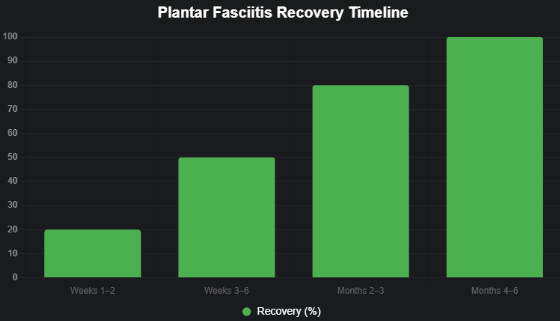
Recovery varies, but we support you.
Amicare Hospital is trusted by 750+ athletes across Delhi NCR for expert diagnosis, treatment, and rehabilitation of plantar fasciitis. With advanced imaging, targeted therapies, and a 98% recovery success rate under the guidance of Dr. Himanshu Gupta, we focus on relieving heel pain, reducing inflammation, and restoring full foot function. Our goal is to help you heal stronger and return to your sport or active lifestyle with confidence.
The cost of plantar fasciitis treatment in Ghaziabad depends on how severe your heel pain is, how long you’ve had it, and the type of treatment you need. At Amicare Hospital, we believe in transparent, affordable pricing so you know exactly what to expect.
Whether you’re a runner, footballer, cricketer, or fitness enthusiast, plantar fasciitis can be prevented with the right care. Here’s how to keep your feet strong and pain-free:
Small, consistent steps in prevention can save you months of pain and recovery later.
The cost of plantar fasciitis treatment in Ghaziabad depends on how severe your heel pain is, how long you’ve had it, and the type of treatment you need. At Amicare Hospital, we believe in transparent, affordable pricing so you know exactly what to expect.
Whether you’re a runner, footballer, cricketer, or fitness enthusiast, plantar fasciitis can be prevented with the right care. Here’s how to keep your feet strong and pain-free:
Small, consistent steps in prevention can save you months of pain and recovery later.
Plantar fasciitis is an inflammation of the plantar fascia, a thick band of tissue running across the bottom of your foot from heel to toes. When this tissue is strained or overused, it causes sharp heel pain—especially during your first steps in the morning or after long periods of rest.
The main symptom is a stabbing pain in the heel, often worse in the morning or after sitting. Other symptoms include tenderness in the arch, swelling near the heel, and stiffness that improves as you move.
It is usually caused by repetitive stress on the plantar fascia. Common triggers include long hours of standing, wearing unsupportive shoes, running on hard surfaces, being overweight, or having flat feet or high arches.
Gentle exercises can reduce pain and speed recovery. Examples include:
Rolling a tennis ball under your foot to massage the fascia
The best stretches focus on the calves and plantar fascia. Wall calf stretches relieve heel tension, towel stretches improve arch flexibility, and plantar fascia stretches (pulling toes back toward the shin) ease tightness in the foot.
Supportive shoes with firm arch support, cushioned soles, and a slightly raised heel are ideal. Avoid flat, thin-soled shoes or worn-out sneakers.
Recover faster, play stronger. Advanced care for ACL tears, shoulder dislocations, ligament injuries, and more — all under expert hands and cutting-edge technology.