
A meniscus tear can make sport and normal daily movement painful, from running and squatting to climbing stairs. At Amicare Sports Injury & Robotics Centre, we offer meniscus tear treatment in Ghaziabad for footballers, cricketers, runners, and active adults, with options that range from physiotherapy to arthroscopic (keyhole) surgery, including ACL and meniscus surgery when both structures are injured.
Care is led by Dr. Himanshu Gupta, an orthopaedic surgeon with 20+ years of experience and 15,000+ orthopaedic surgeries.
20+ years of experience | 15,000+ orthopaedic surgeries
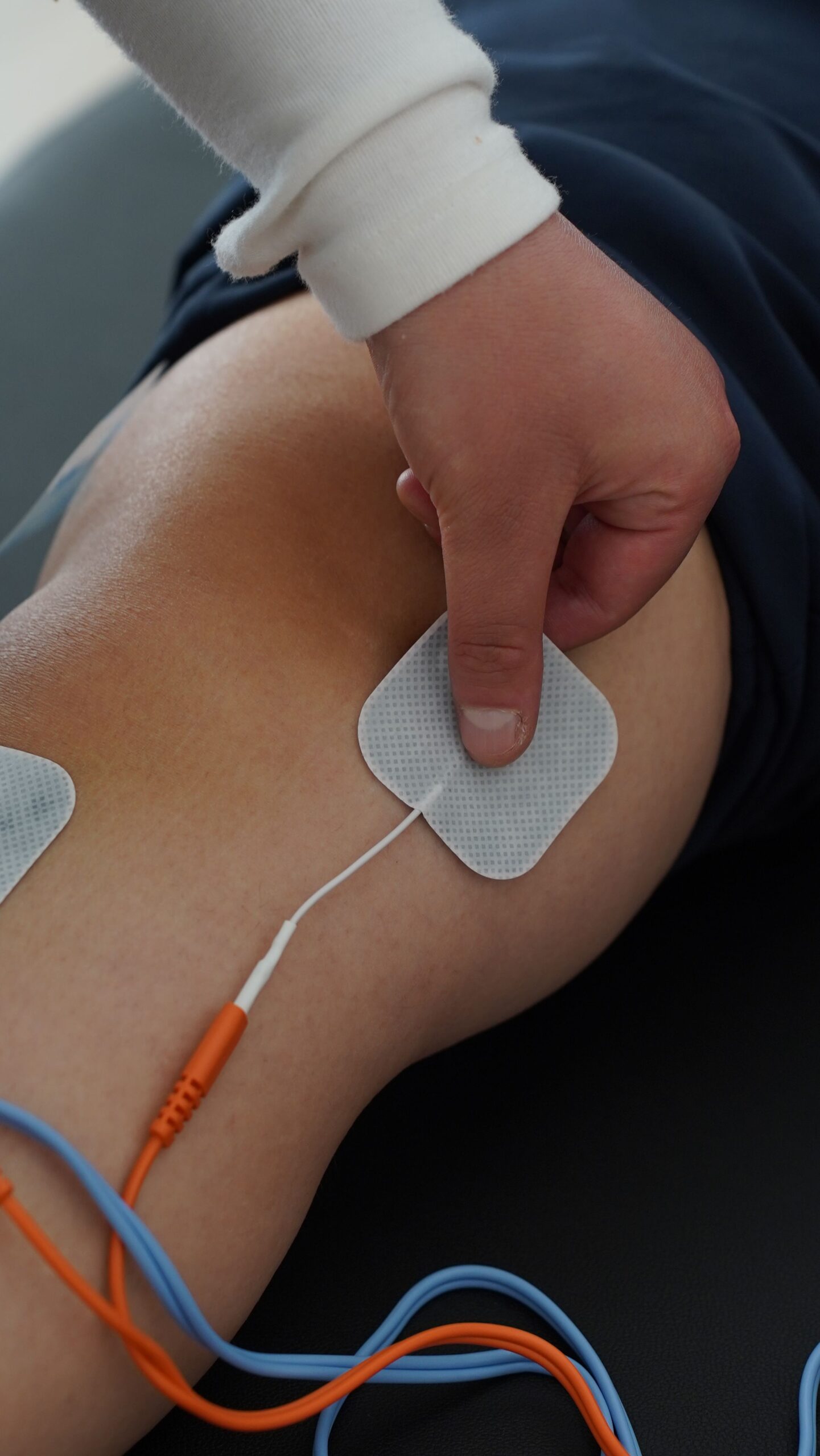
Each knee has two menisci, a medial (inner) and a lateral (outer) one. The meniscus is a C-shaped cartilage that sits between the thigh bone and the shin bone. In simple meniscus knee anatomy terms, it acts as a cushion and a stabiliser when you run, turn, or jump.
A meniscus injury occurs when this cartilage is torn, most often from a twist while the foot is planted. A knee cartilage tear can also build up slowly with age.
The meniscus has a limited blood supply, so some tears heal poorly on their own, and your doctor will advise on the right treatment.
There are several types of meniscus tears. The type, size, and position decide the treatment.
The inner knee, often from twisting in badminton or tennis.
The outer knee, often from a sudden twist in football and often seen together with an ACL injury.
A large tear that can make the knee lock.
A loose piece of tissue that causes catching.
A tear from the edge inward, which can affect healing.
Wear in the tissue, usually after 40, from squatting or stairs.
See a meniscus doctor in Ghaziabad or a meniscus injury specialist if the pain or swelling lasts more than a few days, or if your knee locks or gives way.
Delay can lead to chronic knee pain, damage to other cartilage or ligaments, and earlier wear in the joint.
Dr. Himanshu Gupta leads the assessment at Amicare Sports Injury & Robotics Centre:
How the injury happened and what sport or work you do.
The McMurray and Apley’s grind tests, which look for pain and clicking.
Shows the type and size of the tear, and any ACL or cartilage injury.
To rule out a fracture or arthritis.
Knee stability and range of motion.
The right plan depends on the tear type, your age, your sport, and your symptoms. Many people improve without surgery.
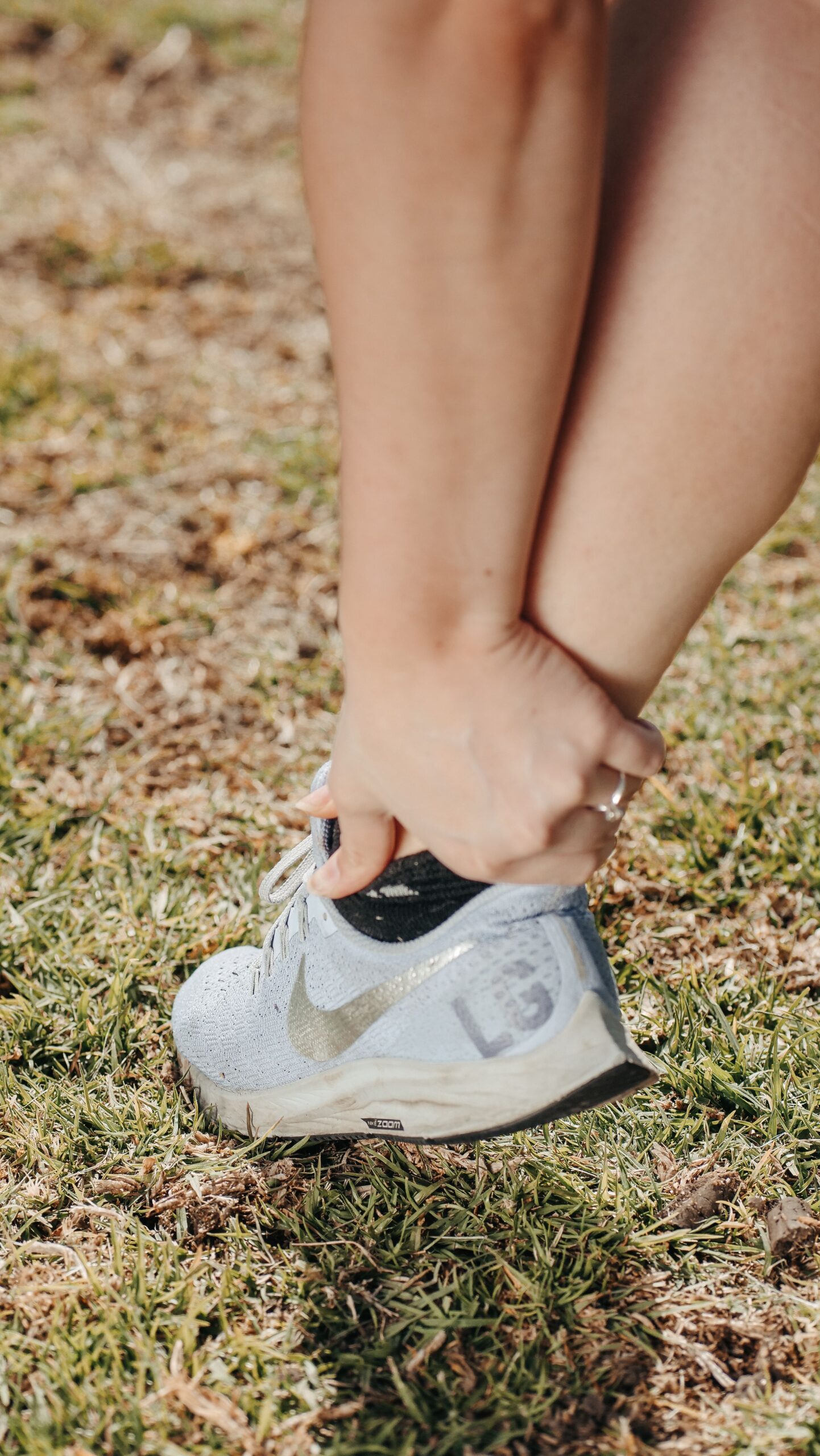

Exercises to strengthen the thigh, hamstring and calf muscles, improve knee control and ease load on the joint.
For small tears.

A knee brace for support during light activity or while healing.
Sometimes considered with physiotherapy. The evidence for PRP in meniscus tears is limited, so your doctor will explain what to expect.
When symptoms continue, or the tear is mechanical, such as a locked knee, your surgeon may advise surgery. Meniscus tear surgery in Ghaziabad is usually done by arthroscopy, using small incisions and a camera.
The torn meniscus is stitched so that the tissue is preserved. It is often chosen for younger patients and for tears in areas with a good blood supply. Meniscus tear repair takes longer to heal.
The affected part of the meniscus is trimmed, usually for tears that cannot be repaired. Recovery is quicker, but removing tissue may increase wear over time.
Arthroscopic surgery usually takes about 1 to 2 hours, under general or spinal anaesthesia. Tears that occur with an ACL injury may be treated at the same time. See our pages on knee arthroscopy and ACL surgery.
| Option | How it works | Suitable for | Typical recovery | Limitations |
|---|---|---|---|---|
| Meniscus repair | The tear is stitched | Younger, active patients with a repairable tear | About 3–6 months | Slower healing, and not every tear can be repaired |
| Meniscectomy | The damaged part is trimmed | Tears that cannot be repaired | About 4–8 weeks | Tissue is removed, which may add wear over time |
| Physiotherapy | Strengthening and control exercises | Small or degenerative tears, less active people | About 2–4 months | May not give enough stability for pivoting sport |
| Bracing and rest | Support while the knee settles | Short-term help, or those avoiding surgery | Varies | Not suited to intense sport |
Recovery varies with the tear, your age, and your rehabilitation.
The meniscus injury recovery time depends on the treatment and your sport. Meniscus tear surgery recovery is guided by your surgeon and physiotherapist.
Rest, ice, compression, and elevation. Crutches may be used, especially after repair.
Light walking and range-of-motion exercises, with a brace if advised.
Strength exercises, such as leg presses and mini squats.
Sport-specific drills, such as side steps for football and turning for cricket.
Return to sport often takes longer than after a meniscectomy.
Early exercises are guided by your physiotherapist. They typically include:
Avoid deep squatting and twisting until your doctor clears you. See our injury prevention programmes for athletes.
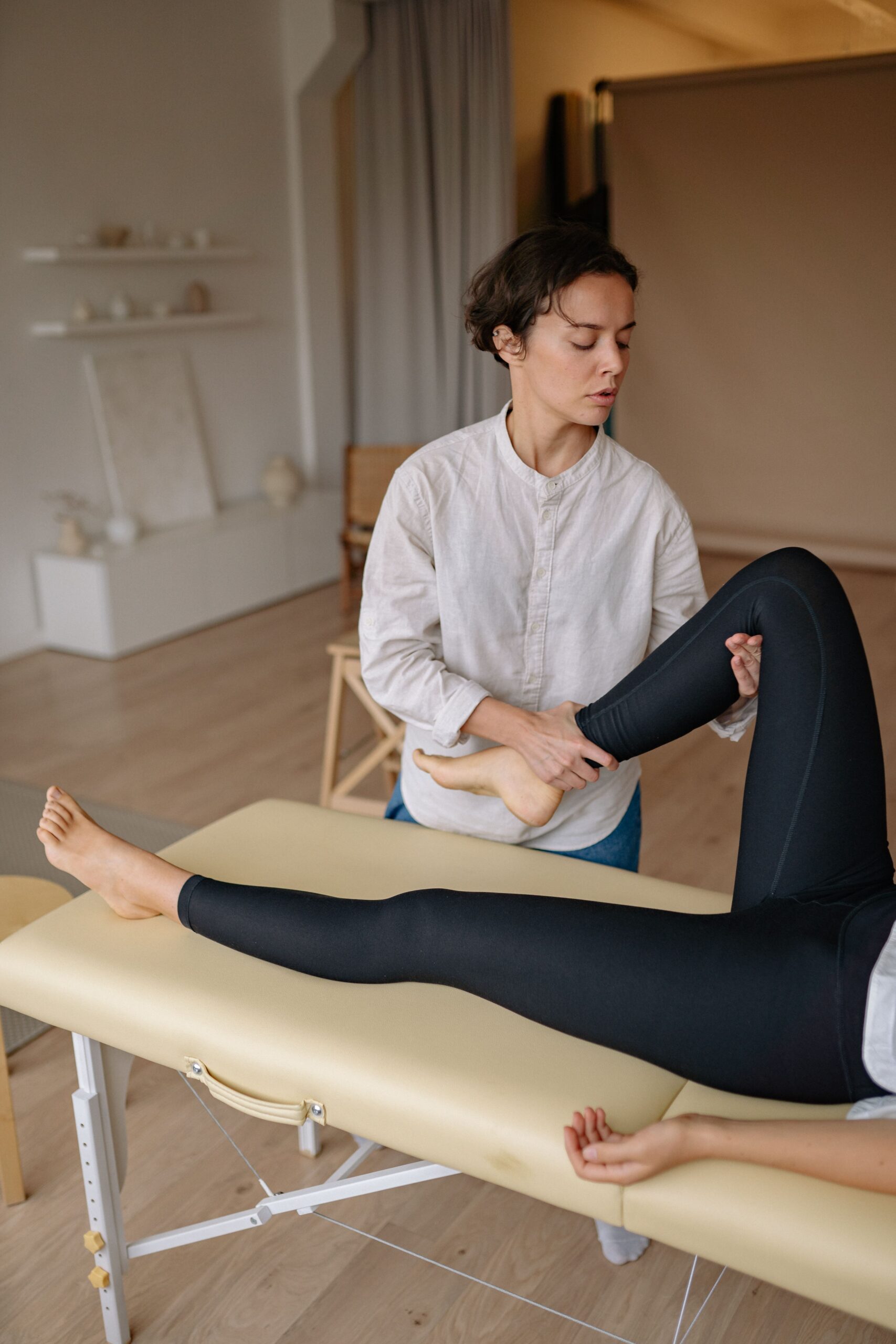
Amicare Sports Injury Centre was established in 2025 and has treated 2,000+ athletes, including 500+ championship players. The centre holds 20+ certifications and medical recognitions.

Medically reviewed by Dr. Himanshu Gupta.

Dr. Himanshu Gupta has 20+ years of experience and has performed 15,000+ orthopaedic surgeries. He is a gold medalist from King George Medical College, Lucknow, with fellowships at Leelavati Hospital, Breach Candy Hospital, and Asklepios Hospital, Mannheim, Germany.
With a clear explanation of your MRI.
A physiotherapy floor, a strength zone and return-to-play programmes.

Non-surgical care is discussed first, and second opinions are welcome.
Patients looking for a meniscus specialist in Ghaziabad or a meniscus injury surgeon in Ghaziabad can expect a full explanation of their options and the risks, as part of our wider sports injury care.
We explain the likely costs after your examination. You can ask for a written estimate and check insurance and cashless options.
Book your meniscus assessment at our sports injury centre in Indirapuram, Ghaziabad.
Plot No. 15/16 Nyay Khand- 1, Near Indirapuram Public School, Indirapuram, Ghaziabad- 201014
7 am – 8 pm
It is a tear in the C-shaped cartilage that cushions your knee. It usually happens with a twist during sport, or from wear and tear with age.
Pain and swelling, popping or clicking, stiffness, catching, and a knee that locks or gives way. An MRI and an examination confirm the diagnosis.
Small tears and degenerative tears can settle with physiotherapy and rest. Tears in poor blood supply zones heal less well, so your doctor will judge this from the scan.
When the knee locks, or when pain and instability continue despite physiotherapy. Meniscus surgery in Ghaziabad is also considered for larger tears in active people.
Repair stitches the tear to keep the tissue, and healing takes longer. Meniscectomy trims the damaged part, and recovery is quicker, but tissue is lost.
Meniscectomy recovery is often about 4–8 weeks, and meniscus repair about 3–6 months. Return to sport depends on strength tests.
It is a day-care or short-stay keyhole operation under anaesthesia. Like all surgery, it carries risks such as infection, stiffness, and a repair that does not heal, which your surgeon will explain.
Yes, guided ones. Physiotherapy for a meniscus tear helps most people, but avoid deep squats and twisting until cleared.
It is a tear of the outer meniscus, often from a sudden twist in football. It is commonly seen with an ACL injury, so an MRI checks both.
Most people can, once strength and movement tests are passed. The timing depends on the tear and the treatment.
An orthopaedic or sports injury surgeon. Dr. Himanshu Gupta leads Amicare Sports Injury & Robotics Centre and has 20+ years of experience and 15,000+ orthopaedic surgeries.
It depends on the tear, the treatment, your hospital stay, and rehab. Ask for a written estimate after your examination.
Message us on WhatsApp at +91 73032 57406, call the centre, or use the Schedule Your Consultation button.
This page is for general information and does not replace medical advice. Please consult a qualified doctor before making decisions about surgery.


Recover faster, play stronger. Advanced care for ACL tears, shoulder dislocations, ligament injuries, and more — all under expert hands and cutting-edge technology.
Fill the form and our team will get back to you shortly.